
The Story
Why it exists.
The beginning
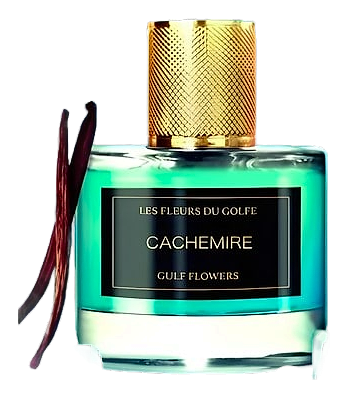
Cachemire takes its name from the fabric, the one that costs more than it should, then becomes the thing you reach for every time. Les Fleurs du Golfe built this fragrance around a single idea: softness as a sensation, not just a note. The mandarin opening isn't a sharp citrus statement, it's the first breath of warmth against cool air, the initial contact before the fabric warms. Patchouli anchors the composition, but it's patchouli that's been tamed, rounded, made approachable. Vanilla and amber follow, and finally white suede, the detail that makes this read as intimate rather than decorative. An oasis of freshness opens the door to give you an emotion of joy, the brand says. But the real emotion here is comfort.
What makes Cachemire interesting is how it handles sweetness. The vanilla isn't the syrupy vanilla of dessert fragrances, it's the warm, slightly powdery vanilla of cashmere that has absorbed hours of body heat. Amber adds resinous depth without heaviness, while white suede provides the textile reference that ties the whole concept together. The result is a fragrance that smells expensive without trying to announce itself. Powdery is one of the main accords, and that descriptor gets at something important: this isn't sharp, it isn't green, it isn't metallic. It's soft. It stays close. It rewards the wearer more than the room.
The evolution
The mandarin opens clean and almost translucent, a bright note that doesn't demand attention. Within minutes, patchouli arrives, and with it a shift toward something warmer, more personal. The transition isn't dramatic; it's the feeling of stepping from a cold room into a heated one. Vanilla and amber arrive next, layered, with the amber providing a resinous warmth that anchors the sweetness. White suede is the lingerer here, the note that stays closest to the skin long after the others have softened. By the final hours, Cachemire becomes almost skin-like: a warm, powdery whisper that only someone pressed close would notice. On fabric, it lasts longer, releasing faint traces of warmth well into the next day.
Cultural impact
Cachemire arrives within the broader context of French niche perfumery's ongoing dialogue with Oriental traditions. The house Les Fleurs du Golfe positions this Extrait de Parfum as an accessible entry point into warm, powdery fragrance territory that has defined French perfume heritage since the early 20th century. The cashmere metaphor itself carries cultural weight, evoking the texture and warmth of the actual fabric that became synonymous with luxury during the mid-century fashion boom. Vanilla-amber compositions like Cachemire echo the post-war preference for intimate, skin-close fragrances that prioritize comfort over statement.