
The Story
Why it exists.
The beginning
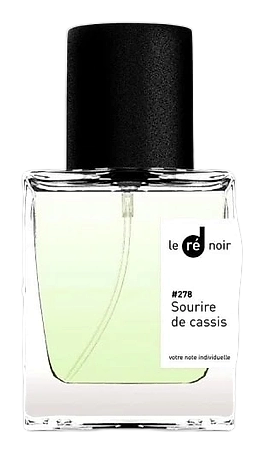
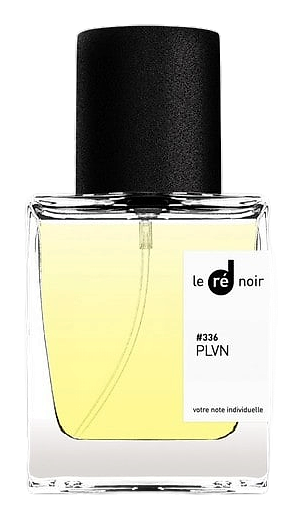
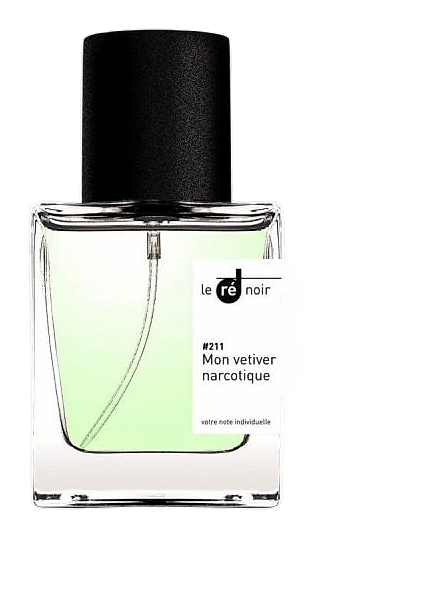
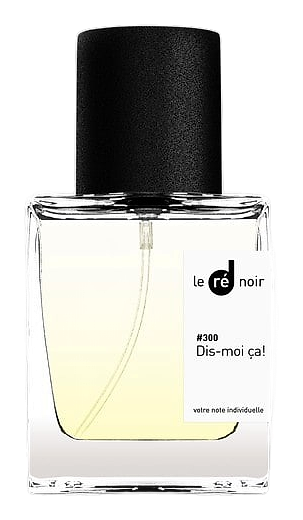
#300 Dis-moi ça! comes from Le Ré Noir, a house built around a numbered catalog where each composition is its own piece. Valery Sokolov composed it, and the brief reads as a study in contrasts: fruit-forward softness stacked against a dry, smoked leather spine. The house treats every numbered release as a separate canvas, and this one wears its tension openly. There is no apology for the sweetness, just an underline of something that won't sit still. It plays like a flirtation that knows exactly where the line is, then leans one degree past it anyway.
Sokolov threads leather and musk alongside the florals, so the fruit never fully settles into prettiness. Osmanthus does unusual work here, bridging the peach and plum sweetness with a leathery facet already built into the flower itself. That structural choice keeps the scent from collapsing into a simple fruity-floral. Rose and pear soften the entry without dulling it, while plum carries just enough tartness to keep the composition honest. The interplay between the soft florals and the drier materials is what gives it presence on skin.
The evolution
The opening belongs to plum and pear, both reading fresh rather than candied, with osmanthus giving the fruit a faint powdery curl as it settles in. Rose enters softly somewhere after that first impression, threading through without ever becoming the loudest voice in the room. As the composition warms, leather starts to surface, dry and slightly smoked, pulling the sweetness away from anything too innocent. The vanilla and musk base settles in gradually, warm and close, holding the leather in place rather than softening it out of existence. On skin the composition holds at moderate sillage, never loud, never quite gone. The drydown leaves a faint trace of musk and vanilla on pulse points, a ghost that lingers past the last page turn of the day.
Cultural impact
Within Le Ré Noir's numbered catalog, #300 Dis-moi ça! carries a French phrase that hovers between invitation and dare. The composition draws wearers who want sweetness without surrender, layering fruit and florals over a dry leather spine that refuses to behave. Its placement within the house's broader work reflects a particular sensibility: language and scent treated as collaborators, each one shaping how the other is read.