
The Story
Why it exists.
The beginning
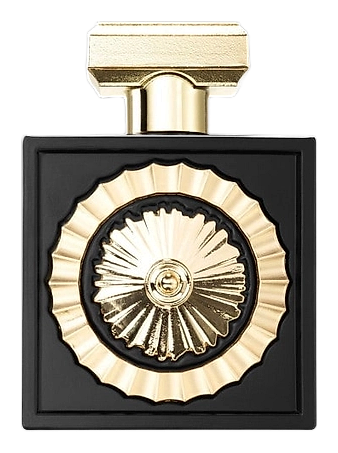
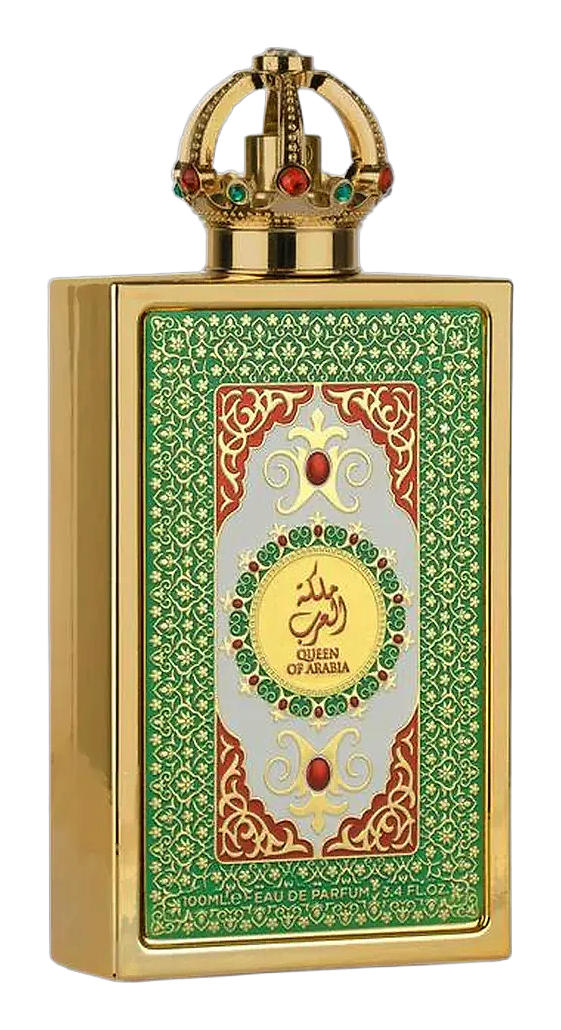
Queen Of Arabia takes its name from a figure of legend and power, the queen who commands not through force but through presence. The fragrance mirrors that energy: nothing aggressive, nothing trying too hard. It's composed, warm, and quietly commanding. The brief was clear: translate Arabian opulence into a scent that doesn't require a royal budget.
What makes this composition work is restraint within warmth. Coconut could easily slide into sunscreen territory, but the salt keeps it grounded, almost mineral. Heliotrope adds the powdery softness that elevates it from beachy to refined. Sandalwood does the quiet heavy lifting in the heart, bridging the bright opening to the amber-vanilla base that follows. It's a composition that knows what it wants to be: warm, accessible luxury without the pretension.
The evolution
The first five minutes are pure coconut cream. The salt appears immediately, not oceanic, more mineral, like the aftermath of a wave on warm skin. By minute fifteen, heliotrope enters softly, dusting the coconut in powdery softness. Sandalwood follows, adding warmth and a faint woodiness that keeps everything grounded. The base builds over the next hour: amber resin, then vanilla settling slow and close. Eight to ten hours later, you're left with vanilla and amber on skin. The coconut never fully disappears, it lingers as a memory, not a statement.
Cultural impact
Queen Of Arabia has quietly built a following among those who want warmth without complexity. It's the fragrance people reach for when they want to smell good without thinking too hard, beach days, lazy weekends, the commute that doesn't matter. The coconut-vanilla-salt combination hits a specific emotional note: vacation, comfort, the last good day of summer.