
The Story
Why it exists.
The beginning
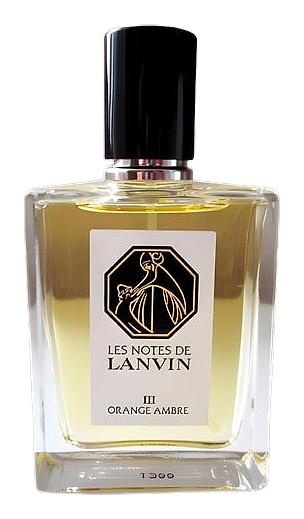
Part of Lanvin's Les Notes de Lanvin collection, Orange Ambre was released in 2011 as the third iteration in a series exploring the house's approach to refined, wearable compositions. Rather than chasing trend, the collection looked inward, toward the quiet authority that had defined Lanvin since its earliest days as a Parisian fashion house. Orange Ambre takes its name from the two dominant elements in its structure: bright citrus and warm amber, a pairing that sounds simple until you smell how it's been handled.
The decision to pair orange with amber seems obvious in hindsight, but the execution is what elevates it. The orange here isn't the bitter, punchy kind found in colognes designed to wake you up. It's the sweeter flesh of the fruit, almost honeyed, that reads as warmth rather than sharpness. The lemon that opens alongside it adds a clean counterpoint without competing. Amber appears in the heart rather than the base, which means the warmth arrives earlier than expected, not as a drydown reward but as a companion from the start.
The evolution
The first twenty minutes are pure citrus clarity. Orange leads, lemon follows, and together they smell like sunlight through a window, not synthetic or overwhelming, just present. The transition to the heart happens gradually. Amber doesn't arrive suddenly; it seeps in around the edges as the citrus begins to settle, adding a honeyed warmth that shifts the fragrance's register from bright to comfortable. Lotus appears here too, though subtly, adding a faint floral undertone that prevents the amber from becoming resinous. The drydown belongs to green tea and amber together, a quiet, slightly vegetal warmth that lingers close to the skin. Sillage drops considerably at this point. What was moderate in the opening becomes intimate, a scent you notice when you move your wrist close to your face. The green tea-amber base does the quiet work of the final act.
Cultural impact
Orange Ambre occupies a distinctive space in the landscape of citrus-amber compositions, offering a particular kind of restraint that rewards close attention. The fragrance prioritizes refinement over projection, with an orange note of natural quality that avoids the bitter sharpness common to many colognes. The green tea drydown and the honeyed warmth of the amber create a signature that feels both sophisticated and approachable. Though discontinued, the fragrance has maintained its appeal for those drawn to understated, well-crafted scents that don't demand attention from across a room.