The Story
Why it exists.
The beginning
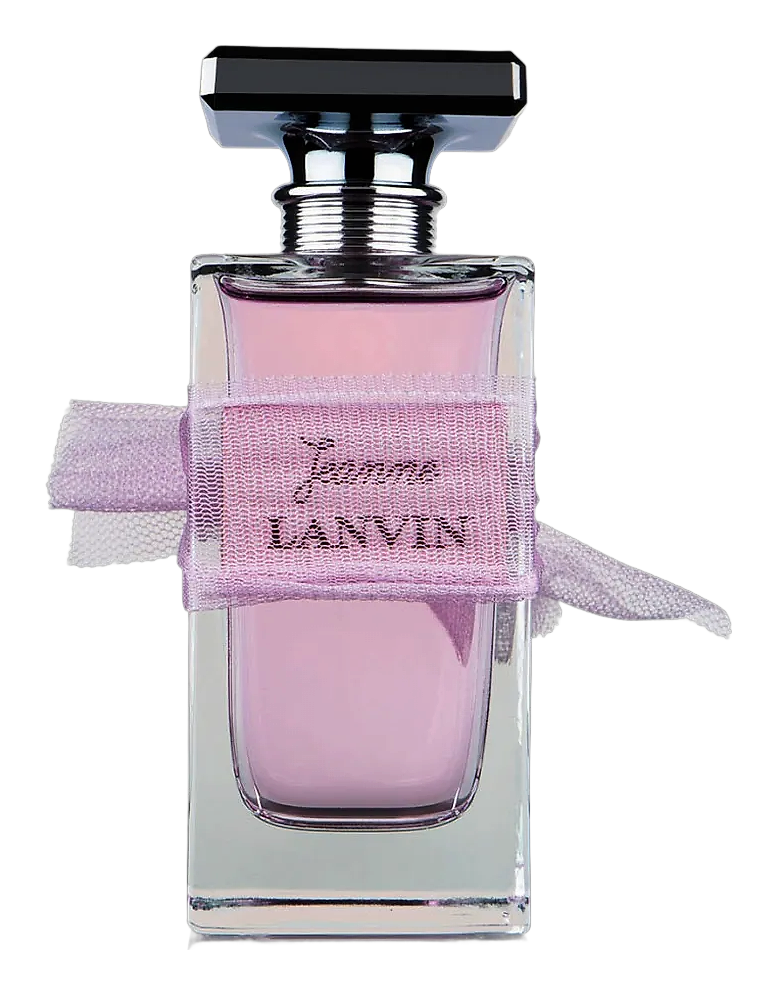
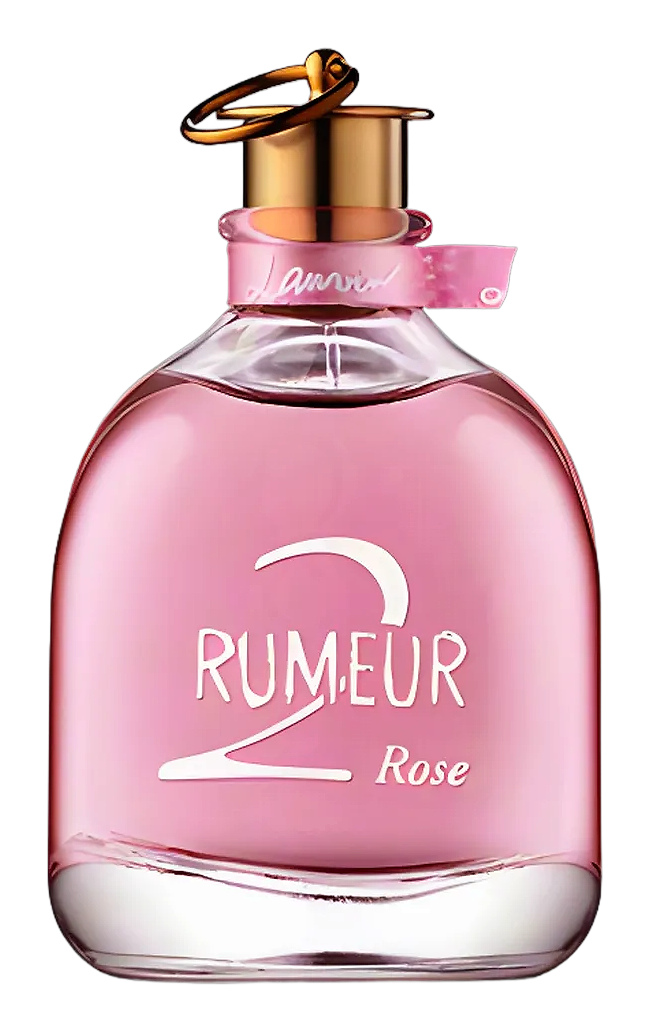
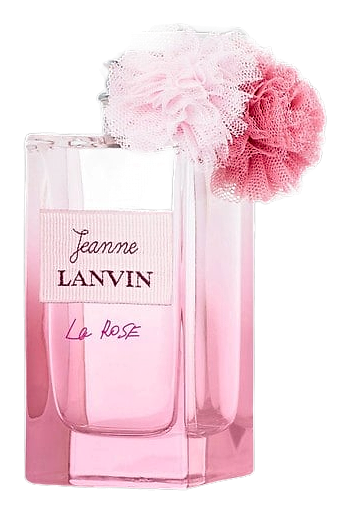
Lanvin launched Jeanne in 2008. By 2010, Olivier Pesqueux returned to the line with a more romantic interpretation, the La Rose edition. Limited. Deliberate. A fresh rose that didn't need to shout its pedigree. It was a spring limited edition with restrained elegance.
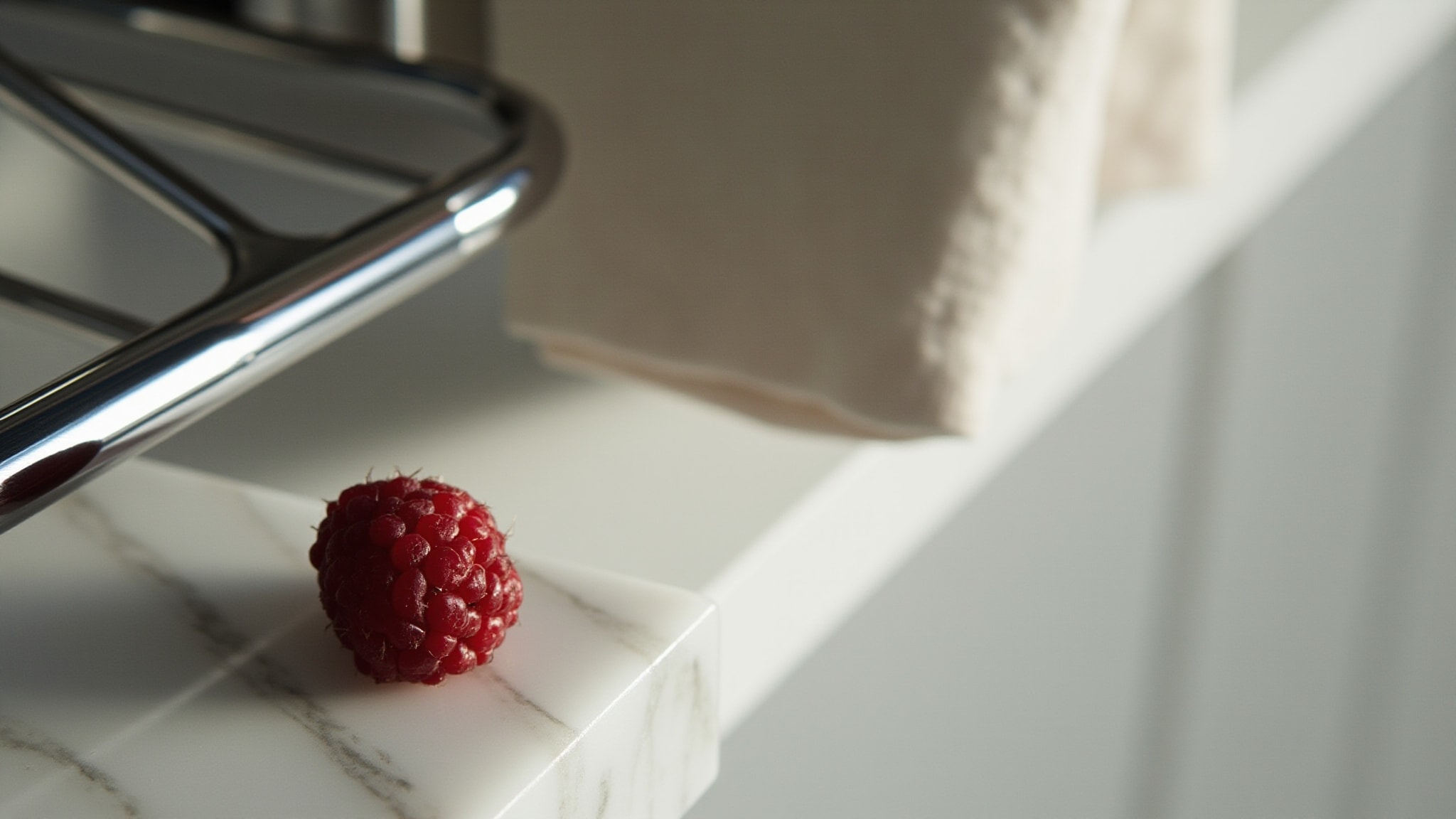
The structure is the thing here: raspberry and red currant carry the rose, not the other way around. Most rose fragrances use berries as a supporting accord, something sweet and temporary. This one puts the fruit first, letting the rose and cedar weave through as something closer to atmosphere than headline.
The evolution
The opening is all tart brightness. Raspberry and red currant arrive together, their sharpness almost aggressive before settling into something more legible. Twenty minutes in, the rose softens. Cedar follows, pulling the sweetness downward, away from the air and into the skin. By the third hour, the berries are gone. The base holds: white musk and vetiver, close and quiet, the smell of warmth without projection. The drydown lasts another hour after that, subtle, skin-driven, almost nothing. What remains is soft, slightly woody, intimate in the way only fragrances with moderate sillage can be.
Cultural impact
Lanvin's perfumery has always leaned toward the refined and the enduring rather than the flashy. Jeanne La Rose fits that tradition, a spring rose that doesn't compete, a limited edition that asked to be discovered rather than announced. It arrived quietly in 2010 and left the same way.