
The Story
Why it exists.
The beginning
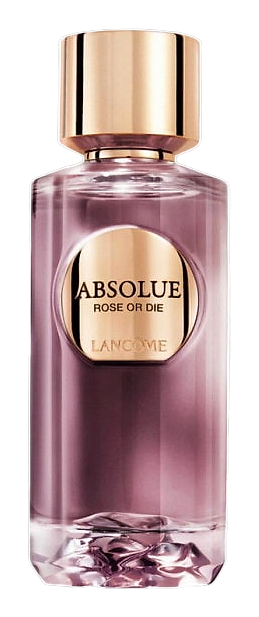
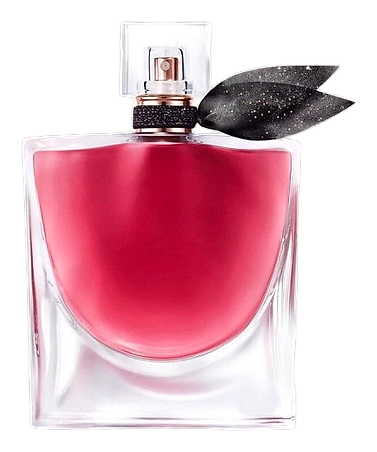
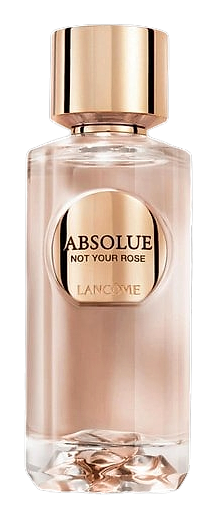
Lancôme has been speaking in roses since 1935, when founder Armand Petitjean adopted the flower as the house emblem after a French countryside estate. The Centifolia Rose has since become the soul of the Absolue Les Parfums collection, 11 exceptional juices built around a single, exclusive ingredient. But Caroline Dumur didn't want a conventional rose. Her brief was simple and strange: create a rose that refuses to be a rose. Hidden in the winter mist, she is not your rose. Cold and mysterious, she cannot be possessed. Almost impossible to reach, it belongs to nature. Dumur built Not Your Rose around that concept, a rose that survived the frost rather than one that bloomed for the vase.
The unusual construction is what makes it work. The ice accord gives the opening a mineral sharpness, not cold in a clinical way, but cold like the air above a frozen lake. Rose petals arrive with an aquatic quality, almost saline, as if the flower grew inches from the water instead of a sun-drenched garden. Moss anchors the composition with an earthy, forest-floor depth that keeps the aquatic notes from becoming sterile. The result is a rose that smells like it survived rather than bloomed, resilient, slightly metallic, undeniably alive. This is not the rose of Valentine's Day. It's the rose that grew where nothing should have.
The evolution
The opening hits cold and immediate. The ice accord announces itself first, a sharp, almost metallic freshness that sits on the skin like morning frost on glass. Within minutes, the aquatic notes begin to shift. They don't warm so much as soften, making room for the May rose to emerge. But this isn't a floral explosion. The rose arrives quietly, threaded with something salty and mineral that keeps it grounded. The heart holds for two to three hours, steady and cool, the moss adding an earthy undertone that deepens as the rose lingers. By the fourth hour, the drydown settles into soft musk, warm skin, close to the bone, the frost finally thawed. On most skin types, the full arc runs six to eight hours. The sillage stays moderate throughout, intimate rather than announced.
Cultural impact
Not Your Rose arrives at a moment when the rose fragrance conversation has grown predictable. Sweet, soft, accessible, the genre has calcified around a single idea of what a rose should smell like. This one refuses. The cold opening, the aquatic mid-phase, the moss-backed drydown, it tells a different story. One for the wearer who's moved past the need to smell universally pleasant. The moderate sillage reinforces the attitude: this isn't a fragrance that demands a room's attention. It's one that gets remembered after the room has emptied.
The House
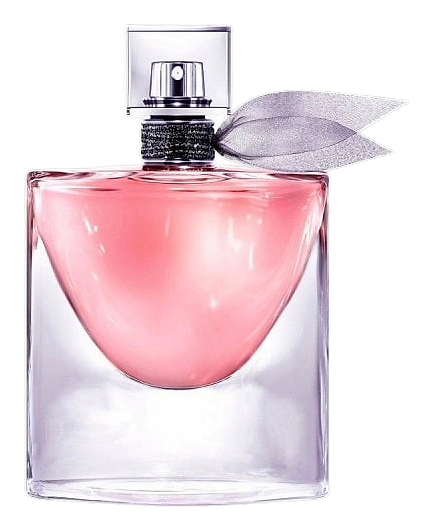
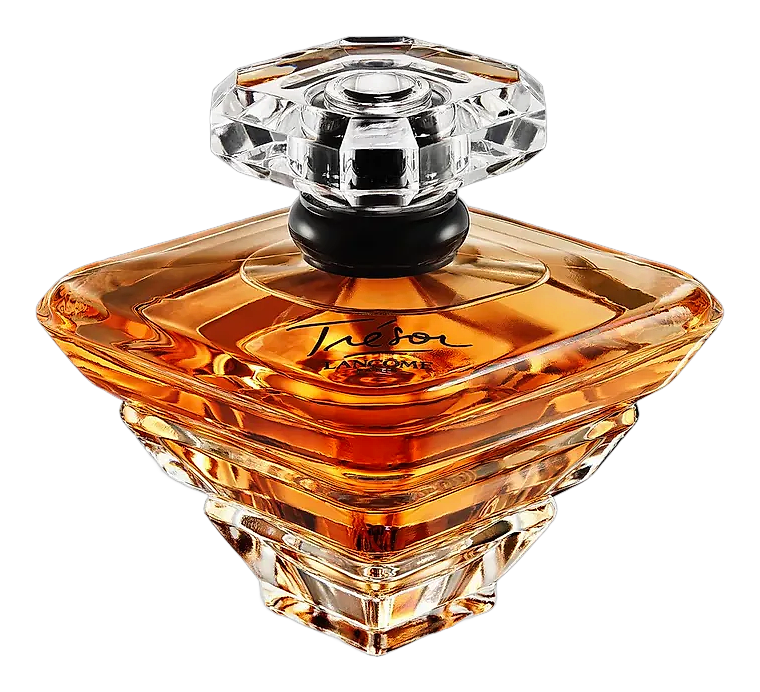
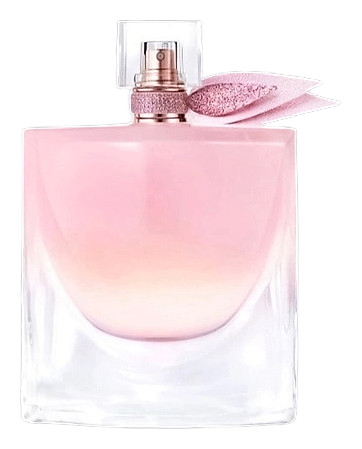
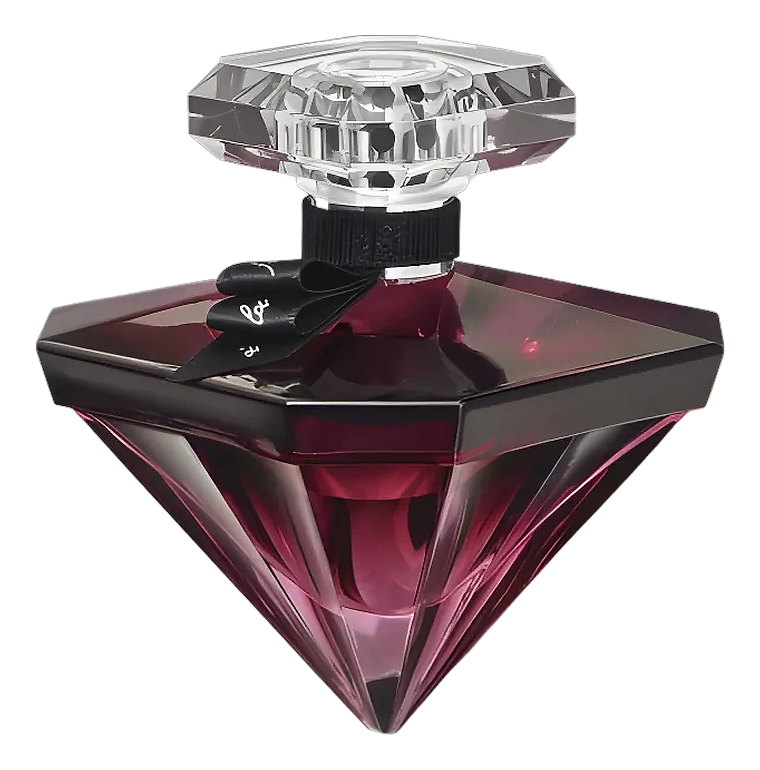
LancômeLancôme stands as one of France's most enduring luxury beauty houses, a name synonymous with elegant femininity and the art of French perfumery. Founded in 1935 by Armand Petitjean, the house emerged during economic uncertainty with a clear mission: to bring prestige back to beauty after witnessing the mass-market drift of his former employer. Today, operating under L'Oréal's luxury division, Lancôme balances heritage with modernity, crafting fragrances like La Vie Est Belle and Trésor that have become global icons while maintaining the golden rose emblem that has marked its bottles for nearly ninety years.
The Creator
Caroline DumurCaroline favors bold structures built on a clear hierarchy. She often starts with a dominant natural note—jasmine, oud, or cedar—then weaves in a synthetic accent that adds depth or sparkle.