The Story
Why it exists.
The beginning
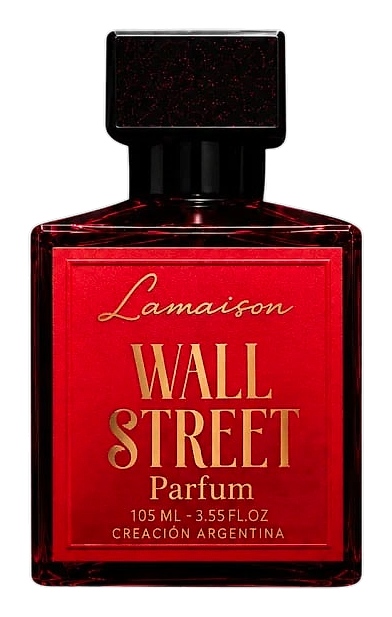
Wall Street reads like a ticker tape or a street sign, and the composition follows suit: structured, exact, built to last the trading day. Nina Lamaison composed it with a single artistic vision in mind, treating the bottle as a portrait of a particular kind of morning, the one before anything has gone wrong, before the noise starts, when the city still belongs to the people who got there first. There is no nostalgia in it. No sentimentality. Just the smell of cold glass, fresh paper, and the particular electricity that runs through a city that hasn't finished waking up yet. The name conjures the geometry of lower Manhattan: steel, glass, the right angles of capital.
The unusual note here is money, rendered not as a symbol but as a material: the faint metallic coolness of freshly minted paper, the dry edge of ink still setting. Paired with a rain accord and cut grass, the composition carries an unusual honesty about what it wants to be. It smells like a place rather than a person. The leather that surfaces in the heart isn't ornamental. It reads like a binding, like the spine of a ledger, functional and a little severe.
The evolution
Wall Street opens the way a Monday morning feels: a crack of citrus, green grass still holding overnight moisture, and that cool metallic shimmer of new money, or at least the idea of it. The first impression is bright and bracing, almost aggressive in its clarity, the kind of opening that cuts through stale air and demands attention. Then the ink and leather arrive, and the composition shifts. The leather is dry, not suede-soft. The ink smells like a signature mid-stroke, still wet enough to leave a mark on anything careless enough to press against it. Together they create the heart: a working document, a handshake, a held breath before the market bell. What surprises is the rain accord. It doesn't disappear. It deepens, becoming the atmosphere the other notes live in, less a scent than a condition, a humidity in the air that everything else has to respond to.
Cultural impact
Wall Street reads as a portrait of a particular kind of wearer: someone who values precision over presence, structure over sentiment. The restraint on display here is not a marketing decision but a compositional one, every element justified, every note earning its place through function rather than flourish. The fragrance doesn't perform for the room. It performs for the wearer. That distinction matters in a category crowded with releases designed to announce themselves across a dinner table. Wall Street keeps its voice low and its materials honest.