The Story
Why it exists.
The beginning
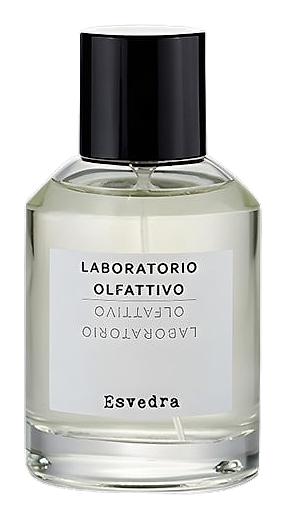
Es Vedra is an island off the coast of Ibiza, rocky, windswept, and threaded with myth. The legend ties it to the Sirens of Homeric memory, or the remains of mythical Atlantis. Beautiful and suggestible, it draws you in despite knowing better. Pierre Guillaume built Esedra from that same tension: wild geography, contradictory beauty, a place that refuses to behave like a postcard. Released in 2011, it carries the island's name and its contradictions into a bottle.
What makes Esedra structurally unusual is its refusal of the traditional pyramid. Most fragrances layer notes from top to base, a brief opening, a transitional heart, a lingering base. This one reunites all ingredients at the center instead. Nevenolide, a synthetic captive molecule, provides the opening spark before the composition settles into its real architecture: vetiver, musk, and petitgrain working simultaneously rather than sequentially. Coriander grounds the ensemble with its subtle green-spicy warmth. The result is a fragrance that reads as one unified idea rather than a story with chapters.
The evolution
The opening arrives bright and fizzy, Nevenolide doing its job as a synthetic citrus surrogate. Thirty minutes in, the Petitgrain and Vetiver have already taken over, cloaked in soft musk. This is where Esedra lives: not in the opening but in the heart that never quite leaves. The coriander lingers longest, adding a dry herbal quality that stays close to skin for the remaining hours. Moderate sillage means it rewards proximity. On fabric, the vetiver settles like a memory, present the next morning, quieter but still there.
Cultural impact
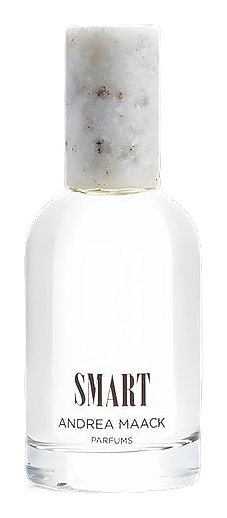
Esedra sits in a specific corner of niche perfumery: the vetiver-forward compositions that prioritize structure over spectacle. Comparable to Prada's Infusion de Vétiver (2010) and Andrea Maack's Smart, it shares that register of quiet confidence. The unconventional central composition appeals to wearers who find traditional pyramids predictable.
The House
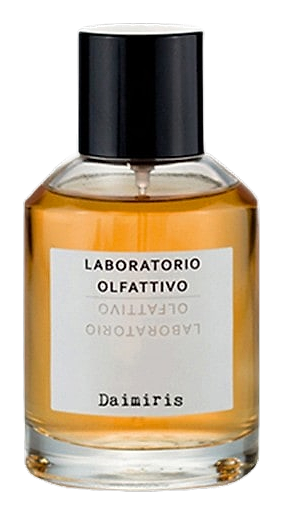
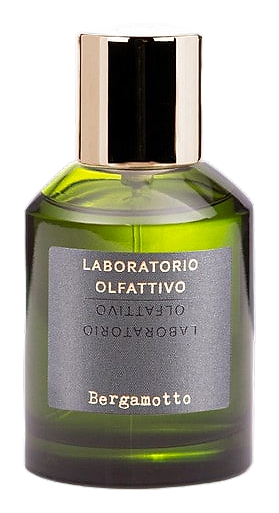
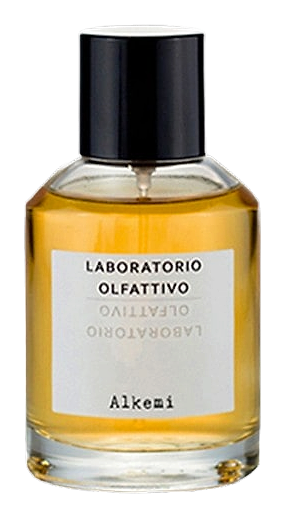
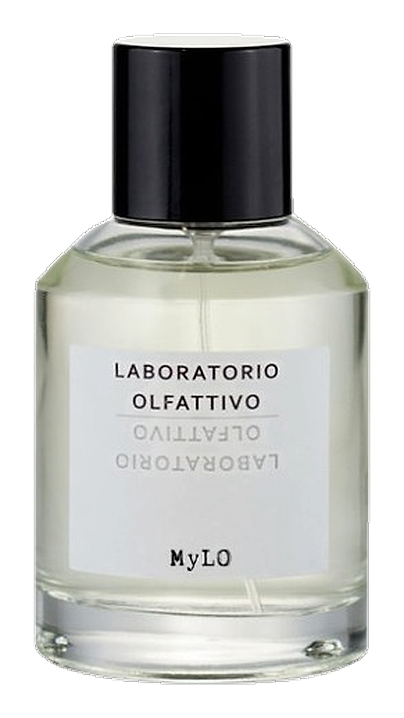
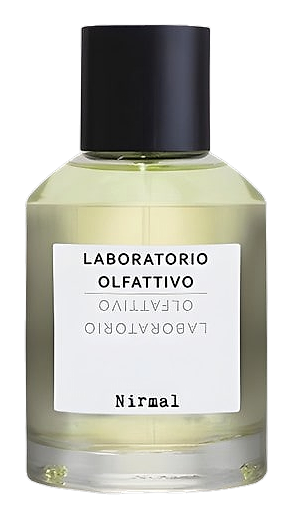
Laboratorio OlfattivoLaboratorio Olfattivo is an independent Italian niche house founded in Rome in 2009 by creative director Roberto Drago and business partner Daniela Caon. The house operates as a creative platform, collaborating with perfume craftsmen who work autonomously under the Laboratorio Olfattivo name rather than operating through an in-house perfumer. Each fragrance exists as its own standalone work, not part of a numbered collection. The house is recognizable by a characteristic dark amber, vetiver, and resin signature anchored by a consistent base structure across releases. Arancia Rossa stands out as a vivid, saturated blood-orange perfume built over that warm amber-vetiver foundation. The catalog spans orientals with deep burnished woods and resins alongside brighter citrus compositions. The output is deliberately unhurried, with one to three new fragrances arriving most years, and the two founders remain the sole creative force behind the label. Roberto's family background runs through the Italian perfume trade, reportedly through his father Luigi Drago's work running a perfume distribution house. By contrast, Laboratorio Olfattivo itself has never sought outside investment, remaining entirely founder-owned and operated. The self-funded structure means完全没有外部资金压力,创意方向不受投资者期望驱动。This shape shifting has translated into a genuine point of view that longtime followers recognize in the catalog. The founding story holds particular interest within the niche fragrance community because the label avoids the conventional channels of beauty entrepreneurism. There is no private label background, no pivot from cosmetics, and no celebrity angle. Instead, a distribution professional and a marketing executive with a shared passion built something from scratch in Rome and held to it for over a decade. The name Laboratorio Olfattivo translates roughly to olfactory laboratory. It signals that the house is understood as a working studio for assembling aromatic materials rather than a heritage brand performing its own mythology. The founder-driven ethos has also meant that the house has remained genuinely small in team size, operating with a long-term perspective rather than chasing market relevance. Every creative decision filters through the two founders, contributing to a catalog that feels internally motivated rather than assembled by committee.
The Creator
Pierre GuillaumePierre Guillaume favors a laboratory mindset, using classic French techniques while experimenting with rare absolutes. He builds structures around a solid base of woods, resins, and amber, then layers bright florals or citrus to create contrast.