The Story
Why it exists.
The beginning
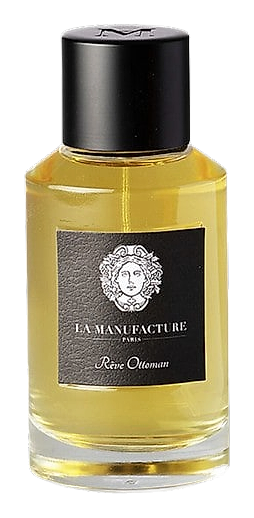
Rêve Ottoman began as a palace. Carla Chabert imagined Sultan Abdulmecid wandering the corridors of Dolmabahçe, a building that was itself a contradiction, Ottoman grandeur grafted onto European ambition, on the banks of the Bosphorus. The brief was not a perfume. It was a place. Hidden stairs, stolen fountains, rooms full of treasures accumulated over centuries. The fragrance translates that architecture into sensation, the cool marble floors, the heavy air, the sense that every corner holds something unexpected. This is not a love letter to the Orient. It is the Orient as fact, as texture, as weight.
The Ottoman palette is a tightrope. Saffron and rose are luxurious, almost dangerously romantic. Without counterweight, they tip into something sweet, something that photographs well and smells like a gift shop. The leather, the tobacco, the metallic thread running through the opening, these are the brakes. They keep the composition honest. The powdery quality in the drydown is the signature. Not powder as in baby powder, powder as in centuries of velvet drapes, sun-faded upholstery, the dust of empires. That is what makes this Ottoman rather than merely Eastern.
The evolution
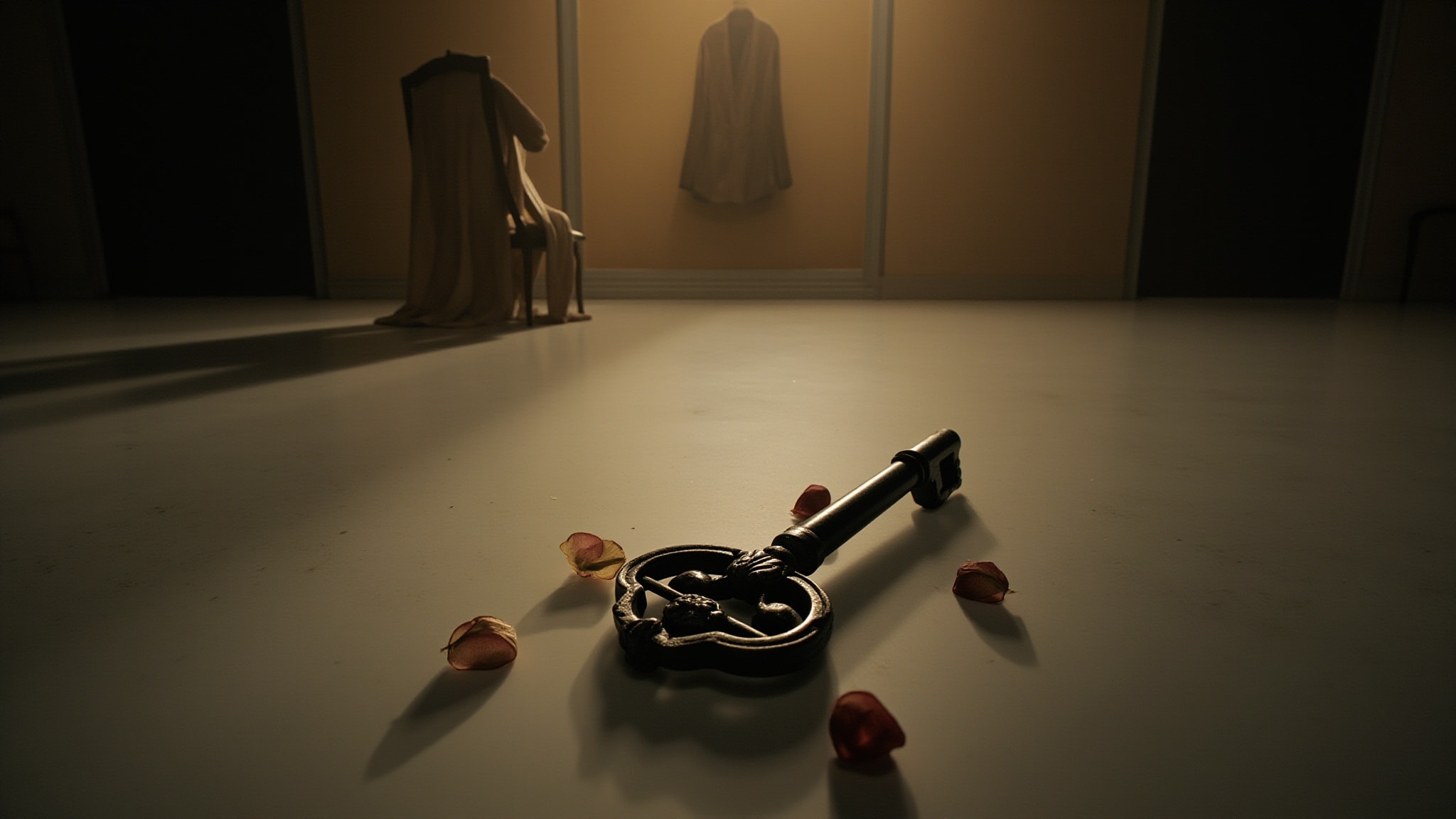
The opening hits sharp and metallic, saffron that reads almost like iron, like the smell of a key turning in an old lock. Within twenty minutes, the Turkish rose takes over. Not a dab of rose water. A rose with body, with presence, the kind that walks into a room before it is announced. The sandalwood and amber arrive quietly, wrapping the rose, adding warmth without sweetness. The leather and tobacco are there underneath, patient, giving the composition somewhere to stand. The drydown is powdery and warm, intimate rather than projecting. On skin, expect four to six hours of quiet presence. On fabric, it lasts longer, the drydown lingers into the next day, a warmth you notice when you pick up your jacket.
Cultural impact
Highly regarded by enthusiasts who appreciate its restraint and complexity, Rêve Ottoman holds a distinct position. It carves its own niche, not the approachable rose-amber that dominates the category, but something with edges. The metallic saffron note becomes a signature, one that either compels or challenges. The Ottoman inspiration is not unique, but the execution is. It sits alongside richer, louder compositions and holds its own through restraint, earning its place as the house's standout work.