
The Story
Why it exists.
The beginning
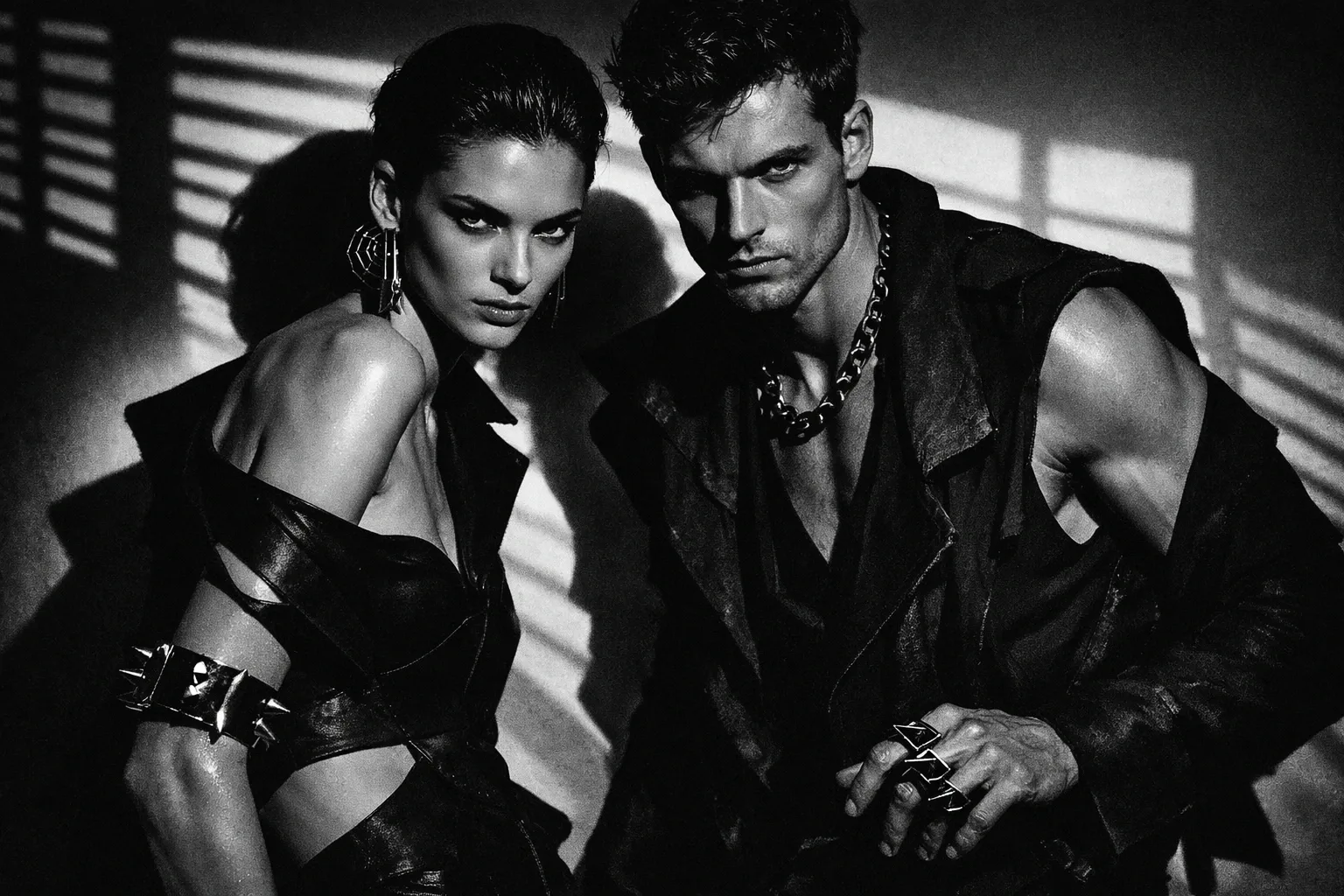
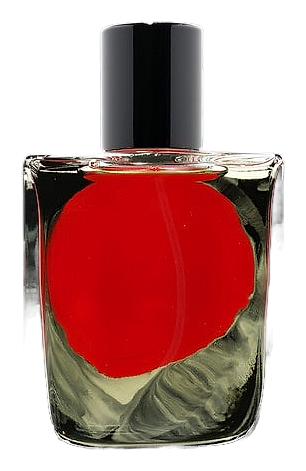
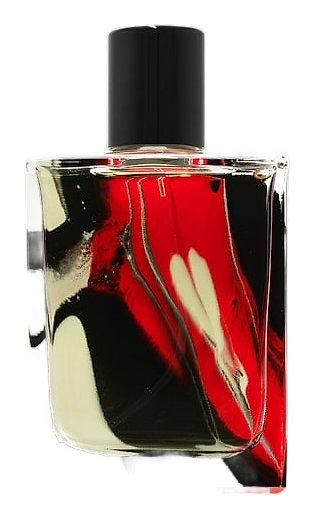
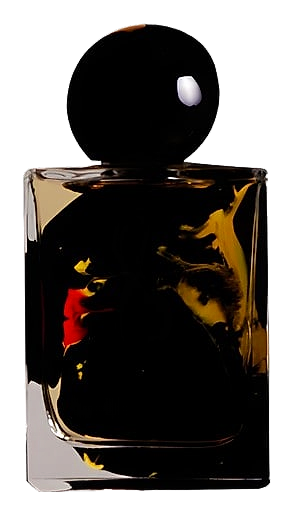
La Folie a Plusieurs commissioned Christelle Laprade to create Me·Cha·No in 2016, joining a roster of fragrances born from dialogue with artists across disciplines. Each piece in the house's collection begins not with a fragrance brief but with a creative act, a film, a novel, a visual work, that generates the conceptual framework for the composition. Me·Cha·No translates a specific tension: the collision between industrial materials and something unexpectedly organic. Laprade built the fragrance around that friction rather than resolving it.
What makes Me·Cha·No unusual is its structural inversion. Rather than opening bright and floral before settling into something darker, it arrives already charged, rubber and metallic notes occupy the same space as Bulgarian rose from the start. The synthetic and the organic don't sequence; they coexist. Black pepper provides the heat throughout, while raspberry keeps injecting brightness against the leather, rubber, and patchouli base. Tonka bean and musk eventually soften the edges in the drydown, but the tension never fully resolves, and that is precisely the point.
The evolution
The scent opens bright and sharp in the same instant. Black pepper arrives clean, metallic notes biting alongside it, raspberry hovering just above, not fruity so much as luminous. The rose doesn't wait. Bulgarian rose comes in alongside the leather, not after it, which means the expected floral drydown arrives too early and too warm. What follows is a slow negotiation: leather, patchouli, and rose holding the middle ground while rubber and metal gradually recede. The most interesting moment comes around the third hour, when the synthetic materials have mostly settled and the warm sweetness of tonka bean emerges beneath what remains of the rose and raspberry, a sweetness that surprises precisely because the opening felt so charged. The drydown is what stays. Musk, tonka, and patchouli linger on skin and fabric well into the next day, with the leather persisting longest.
Cultural impact
Me·Cha·No occupies a specific position within contemporary niche perfumery: the art-world fragrance that does not apologize for being difficult. Wearers who seek it out tend to understand fragrance as a form of intellectual engagement rather than mere sensory pleasure, which is, perhaps, exactly the audience La Folie a Plusieurs intended to reach when Christelle Laprade designed this piece in 2016. It shares territory with other artistically positioned fragrances from the house's Berlin-Paris creative network, though Me·Cha·No stands apart for its willingness to use industrial materials not as texture but as substance.
The House
La Folie a PlusieursLa Folie a Plusieurs is a fragrance house that treats scent as an artistic medium, creating perfumes in dialogue with works by visual artists, filmmakers, and writers. Founded in 2014 by Kaya Sorhaindo, the brand operates across Berlin and Paris, translating creative concepts into olfactory form rather than following traditional fragrance families or conventional brief structures. Each fragrance begins with an artist's work, which Sorhaindo then interprets through materials chosen in collaboration with independent perfumers. The result extends the original creative act into a new sensory dimension, inviting wearers to experience presence rather than recall the past. Museum boutiques across Europe and beyond serve as primary retail spaces, positioning these fragrances as cultural objects rather than conventional luxury goods. Notable works include Norwegian Wood (inspired by Haruki Murakami's novel), Kafka On The Shore (drawing from Murakami's companion text), and a perfume interpreting Yorgos Lanthimos' film The Lobster, developed with perfumer Mark Buxton. The brand's fragmented naming conventions, visible in titles like Me·Cha·No, Da·Cry, and As·Phyx·Io, reinforce the conceptual framework of dissolution and reinterpretation that underlies the entire project.
The Creator
Christelle LapradeLaprade defines her aesthetic as "trash-glam": a fearless blend of refinement and rebellion. Her compositions embrace duality—sophistication meets crudeness, masculinity dances with femininity.