
The Story
Why it exists.
The beginning
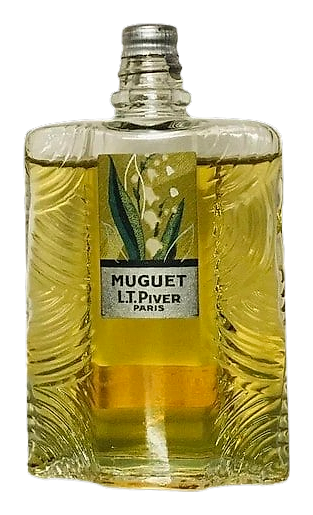
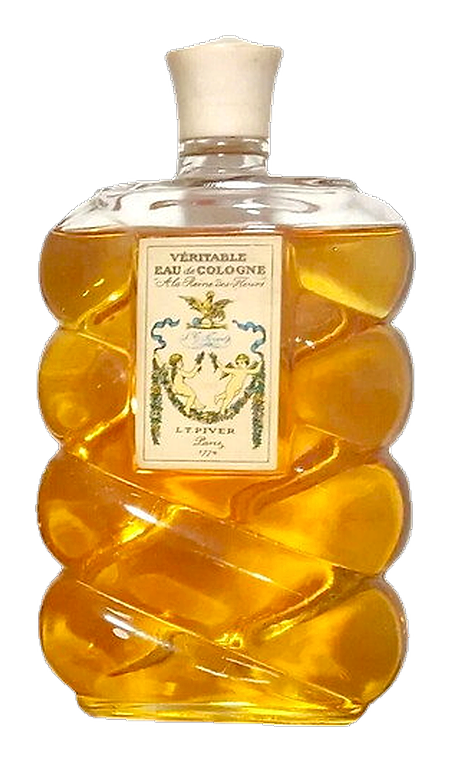
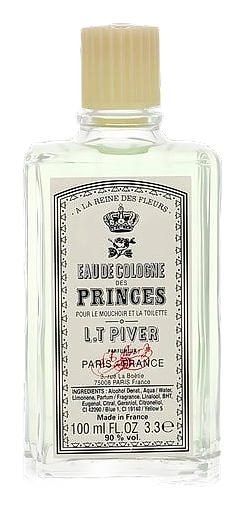
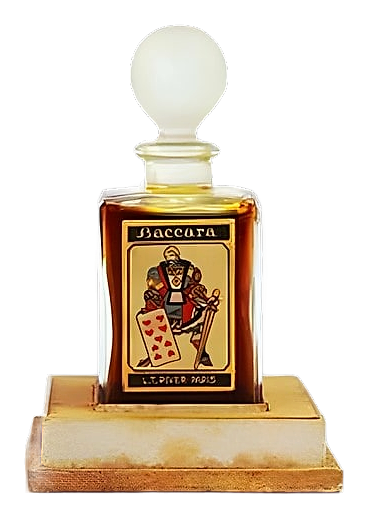
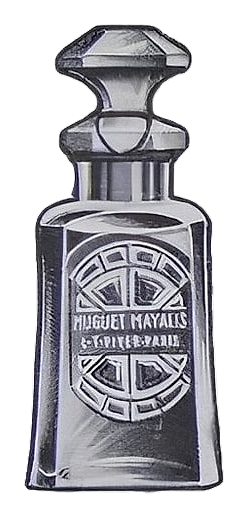
Muguet Mayalis arrived in 1911, a year that places it firmly in the early twentieth century and within the catalogue of L.T. Piver, a French perfume house that traces its origins back to 1774. The fragrance is built on a single theme: lily of the valley, the small white flower known in French as muguet. Not a composition layered with competing florals, not an orientalist fantasy, not a heavy resinous indulgence. Just one flower, treated as the whole subject. The name itself borrows from Mayalis, evoking the month when muguet comes into bloom, when the little bells hang low in shaded gardens and the air turns sweet without any assistance. There is a clarity to that intention.
What makes Muguet Mayalis interesting is what it refuses to do. Lily of the valley cannot be extracted as a true essential oil; the living flower yields almost nothing through conventional distillation, which means any muguet fragrance is, by necessity, a constructed version of the flower rather than a direct capture of it. That technical limitation has shaped every muguet composition in existence, including this one. The result is a slightly translucent, soapy-clean greenness that smells more like the memory of lily of the valley than the cut stem itself.
The evolution
The opening of Muguet Mayalis carries the clearest expression of the fragrance, and even at its brightest it remains quiet. Green leaves register first, followed by the cool, almost metallic sweetness that defines muguet's constructed character. A faint citrus brightness lifts the top, reading more like the smell of dewy morning air than anything resembling lemon or bergamot. As the first minutes pass, the soapy, clean facet settles closer to the skin and the composition begins to feel less like something applied and more like a quality of the person wearing it. The heart of the fragrance holds steady without dramatic shifts, a deliberate stillness that defines the entire wearing experience. There is no surprise twist, no sudden pivot to a heavy base. The greenness gradually softens as the hours pass, and a gentle, slightly musky drydown emerges in its place.
Cultural impact
Muguet Mayalis occupies a specific place in the catalogue of L.T. Piver, a 1911 release built entirely around lily of the valley. The fragrance is a soliflore, a single-flower composition that commits to one botanical subject and explores it without dilution from competing notes. That kind of focus appeals to a particular sensibility, one that values restraint and clarity over complexity for its own sake. The 1911 launch date places it within the early twentieth century fragrance landscape, and production of the scent has apparently been discontinued, which narrows the opportunities for encountering it today.