The Story
Why it exists.
The beginning
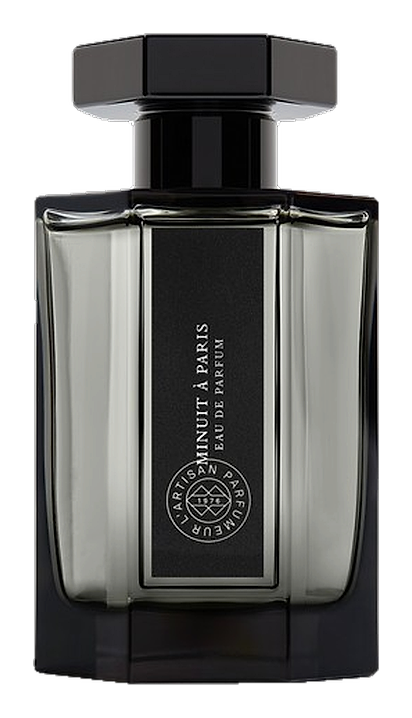
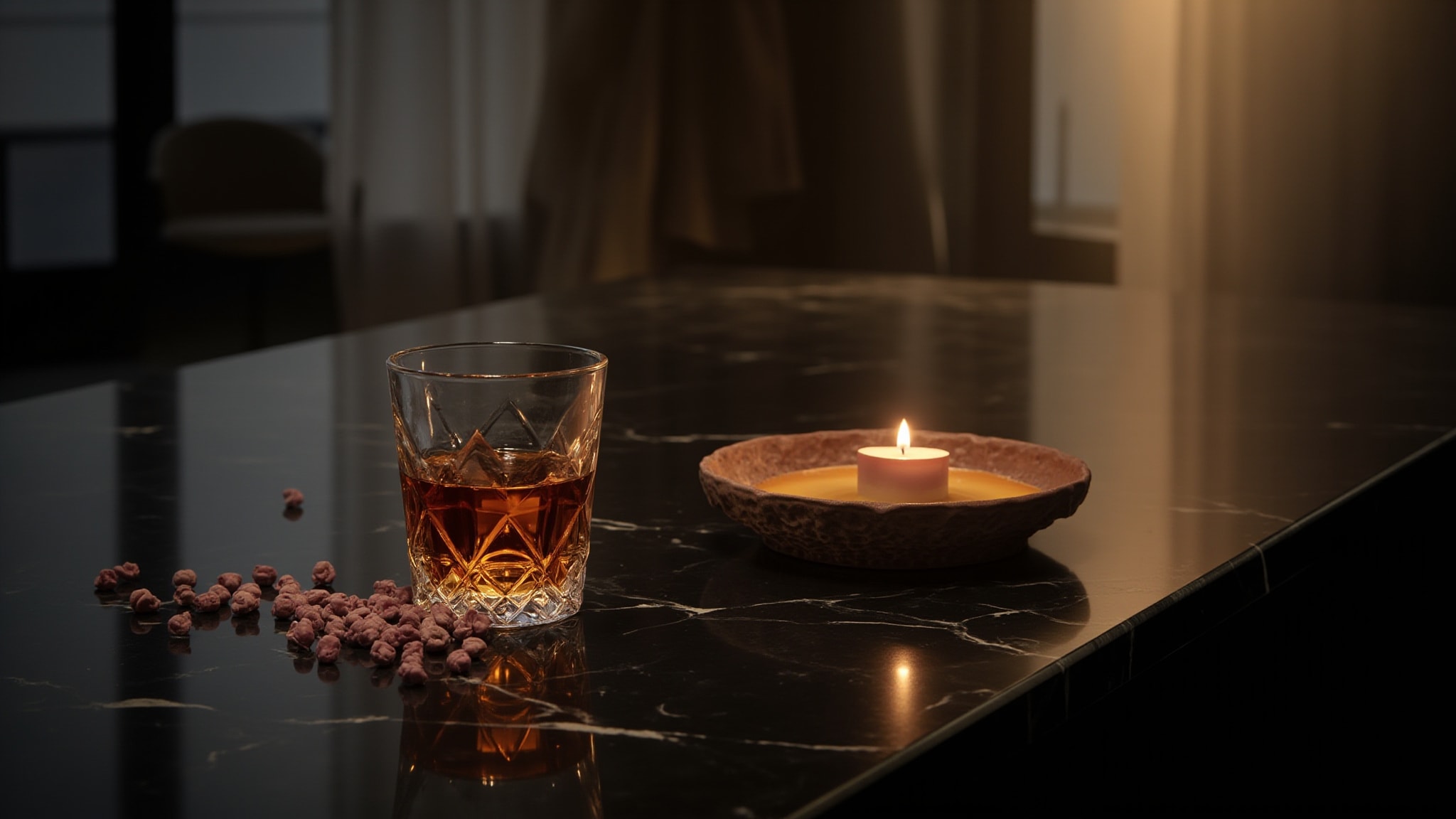
Mathilde Bijaoui built Minuit à Paris around a single idea: midnight in Paris, when the city shifts into something electric and possible. Not the tourist Paris of monuments and cafés, but the private Paris, the one that happens after the last train, when champagne flows and hips sway and the air hums with consequence. The name says it all: midnight in Paris. Anything can happen. Bijaoui's task was to bottle that specific charge, the last witnesses of an electric night, the ones still standing when the city finally exhales. The composition needed to feel warm but alert, intimate but charged. Rum provided the warmth. Pink pepper the spark. Vanilla the soft landing. Three notes. One mood. The whole fragrance reads like that exhale after a long night, relief, satisfaction, and a hint of what comes next.
The structure is deceptively simple: three notes, no obvious bridge. But the interplay between them is what makes this work. Rum opens warm and slightly boozy, not the sharp alcohol of a fresh pour but something smoother, like the quiet satisfaction of a drink you've earned. Pink pepper doesn't arrive as a top note so much as a thread woven through the whole composition, adding a subtle spice that keeps the sweetness from becoming cloying. Vanilla anchors everything, soft and powdery in the drydown, wrapping the earlier notes in warmth. The three-way conversation between them creates something that reads as greater than its parts, a fragrance that feels like a moment, not just a smell.
The evolution
The opening is all rum, warm, smooth, comforting. It doesn't hit like a wall but settles in like a quiet late-night drink, something you've earned after a long day. The pink pepper threads through almost immediately, a subtle spark that keeps the sweetness from becoming heavy. For the first thirty minutes, it's a conversation between warmth and electricity, neither quite taking the lead. Then the vanilla arrives. It doesn't crash in so much as unfold, soft, powdery, wrapping the rum and pepper in something warmer and more intimate. The boozy edge softens. The spice settles. By hour two, the composition has shifted entirely: warm, close, intimate. This is when Minuit à Paris earns its name. The sillage drops from moderate to intimate, the kind of fragrance that someone has to lean in to find. On some skin, the vanilla reads more floral. On others, it leans into something almost lactonic. The drydown holds for three to four hours after the initial bloom, close, warm, the kind of scent that someone notices when they're already near you.
Cultural impact
Limited to Paris-Orly and Paris-Charles-de-Gaulle airports, Minuit à Paris exists as a fragrance for those passing through, a scent found rather than sought. That exclusivity appeals to travelers looking for something memorable from their journey, something they won't encounter in every department store. The concept of capturing a specific moment, midnight in Paris, positions the fragrance as an olfactory postcard, a souvenir that happens to smell exceptional. Whether that exclusivity becomes part of its appeal or a barrier to wider recognition remains to be seen. For now, it's a niche fragrance in the truest sense: available only to those who happen to be there.