
The Story
Why it exists.
The beginning
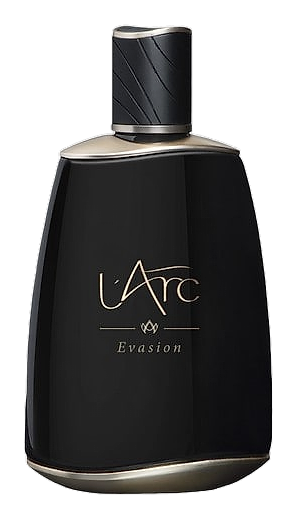
Digo de Havane means 'from Havana', and that's not just a name. It's the whole point. Julien Rasquinet built this fragrance around the tobacco leaf, the honey, the dark chocolate that saturates the air in a Cuban cigar lounge at midnight. The travel journal that inspired L'Arc gave the brief: capture an escape. Rasquinet chose the one place where escape and indulgence have always been the same thing.
What makes this composition work is the counterpoint. Tobacco and honey could go syrupy, but the lavender steps in, cool, aromatic, almost medicinal, to keep things grounded. The cinnamon adds a sharp warmth that stops the sweetness from becoming inert. It's a balancing act: every note has a job, and none of them are doing the same thing. The result feels effortless, which is the hardest thing to achieve in perfumery.
The evolution
Tobacco opens first, bold, aromatic, unmistakably Cuban. Within minutes the honey arrives, softening the edges without replacing them. The dark chocolate comes next, bringing a quiet richness that sits between the honey and the approaching drydown. By the fourth hour, vanilla takes over, warm and almost creamy. The cedar arrives last, dry and woody, anchoring everything that came before it. Eight hours in, on fabric, the vanilla-tobacco duo still lingers. On skin, it's intimate but present, the kind of drydown that makes people lean in.
Cultural impact
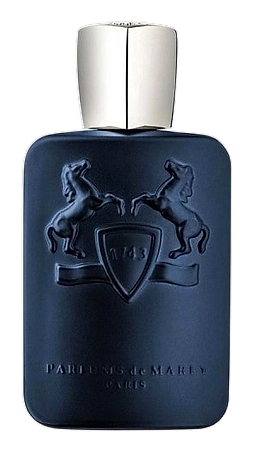
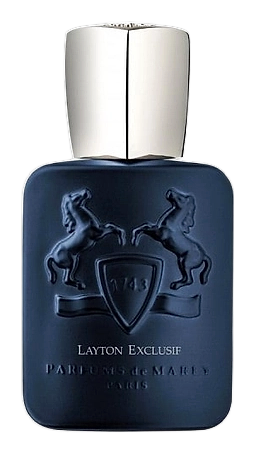
Since its 2013 launch, Evasion Digo de Havane has become one of L'Arc's most discussed fragrances, praised for its wearability and criticized by those who find it too sweet. Wearers describe it as the scent of someone who walks into a room and doesn't need to announce themselves. It sits alongside fragrances like Xerjoff Naxos and Parfums de Marly Layton in the sweet-tobacco category, though L'Arc's approach is softer, less assertive, more intimate.