The Story
Why it exists.
The beginning
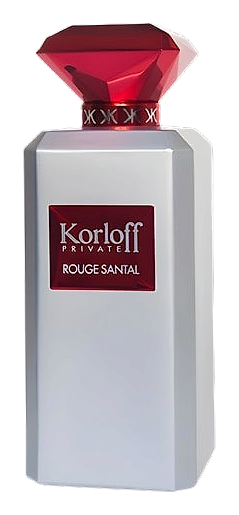
Korloff built its name on rare gemstones and precision craftsmanship, extending that sensibility to fragrance in 1996. Rouge Santal arrived in 2015 as part of the Private collection, a line reserved for compositions that strip away excess and focus on singular character. The brief was simple: let the sandalwood lead, but don't make it easy.
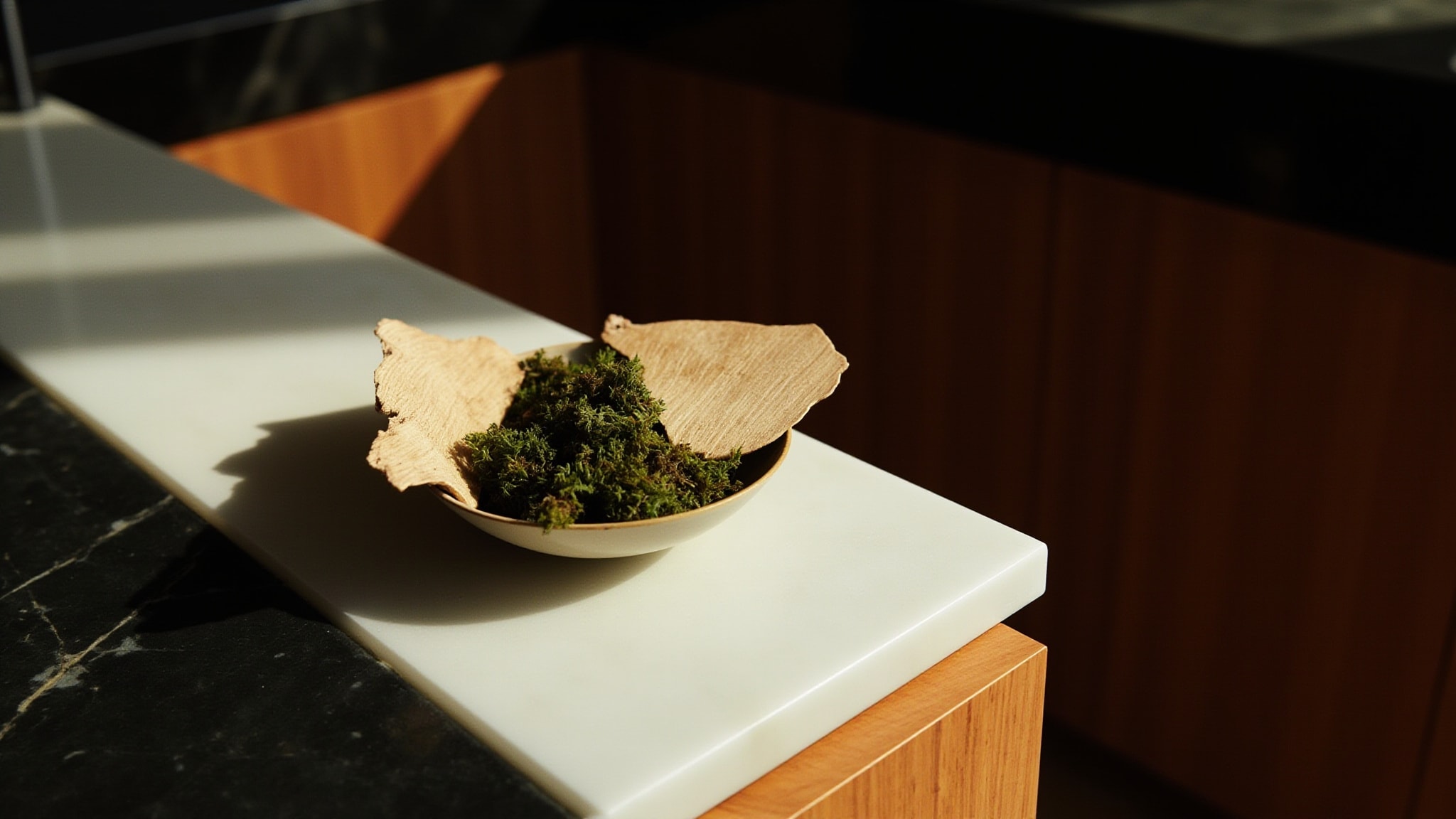
What makes Rouge Santal distinctive isn't complexity, it's restraint. The pyramid holds five materials, nothing more. White grapefruit and incense open in tension, not harmony. One bitter, one smoky. The perfumer trusted that the contrast would create interest rather than chaos. Sandalwood arrives to mediate, its creamy warmth softening the edges without erasing them. By the base, moss and cedar have taken over, dry, earthy, the kind of finish that rewards attention rather than demanding it.
The evolution
The first minutes belong to grapefruit, tart, almost medicinal in its bitterness. Then the incense slides in, not the church-incense variety but something thinner, more transparent. The two notes occupy the same space without merging. Twenty minutes in, sandalwood announces itself, warm, slightly sweet, the calm center of a brief storm. The citrus retreats but doesn't vanish entirely; it becomes a ghost in the composition, still detectable if you look for it. By hour two, the drydown takes over. Moss and cedar dominate, creating an earthy, powdery finish that stays close to the skin. Moderate sillage throughout, this fragrance is not interested in projection. It wants to be discovered, not announced.
Cultural impact
Rouge Santal occupies a specific corner of the woody-aromatic space, for those who want sandalwood but not softness, incense but not smoke. The fragrance appeals to wearers who understand that presence and projection aren't the same thing. It's the kind of scent someone chooses because they know something, not because they've been told to.