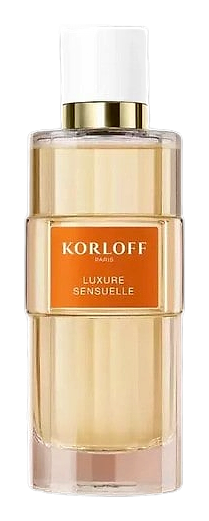
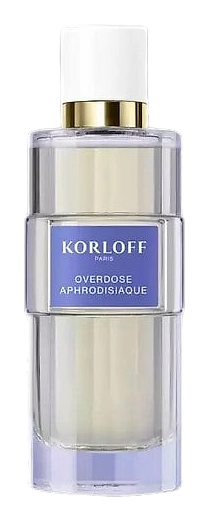
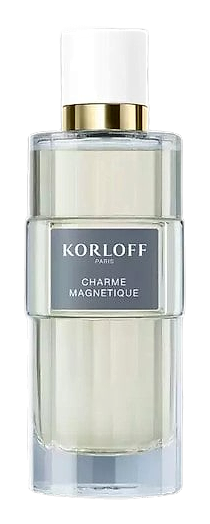
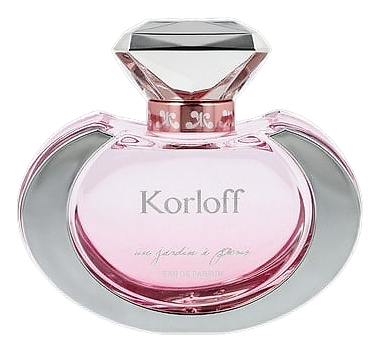
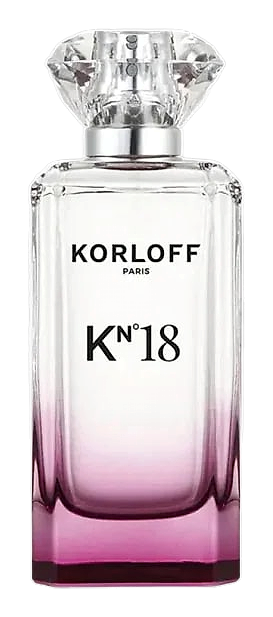
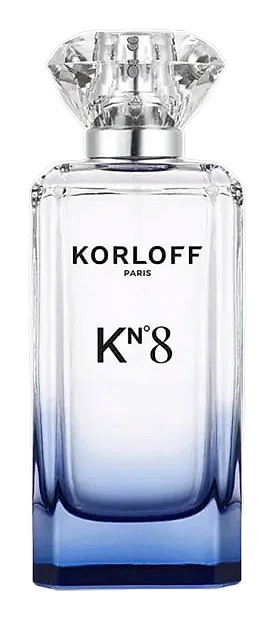
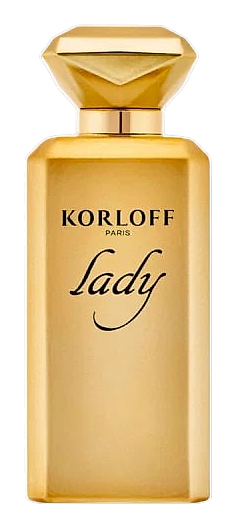
The Heritage
The Story of Korloff Paris
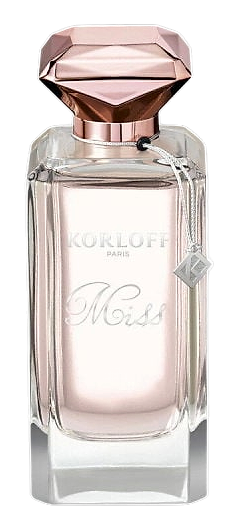
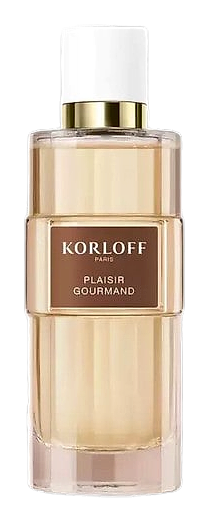
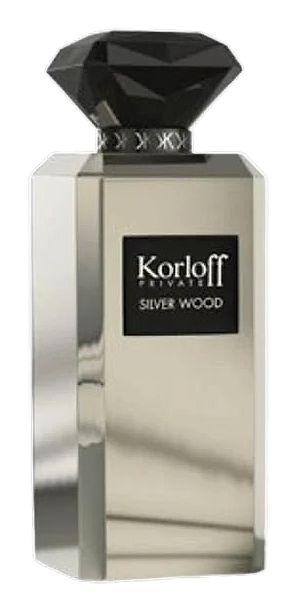
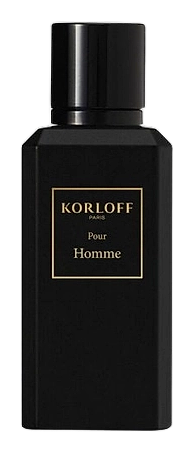
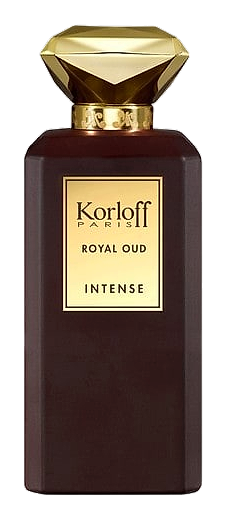
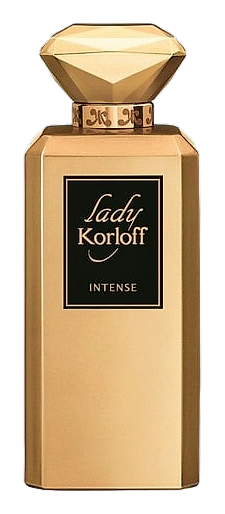
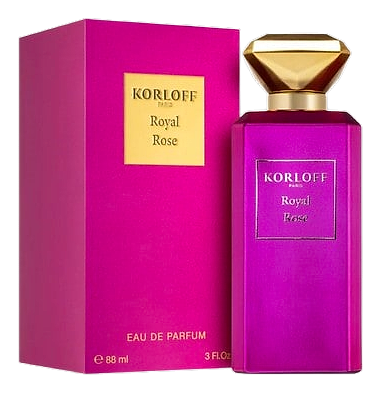
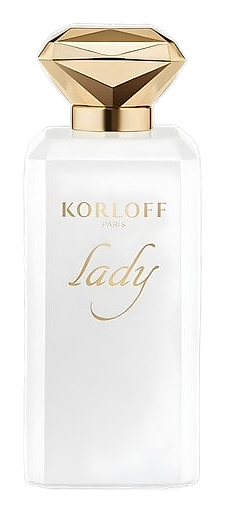
Korloff Paris began as a Parisian jeweler and later extended its expertise to fragrance. The house offers a line of scents that echo the sparkle of its gemstone collections, using ingredients that match the precision of its jewelry. Each perfume is presented in a bottle that feels like a miniature piece of jewelry, inviting collectors to explore scent as another facet of luxury.
Heritage
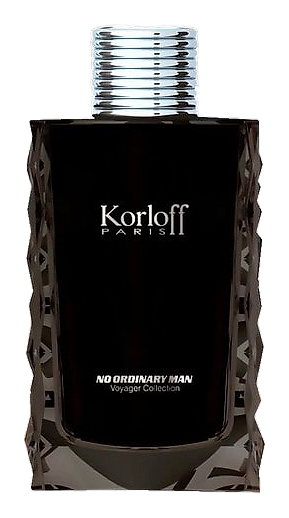
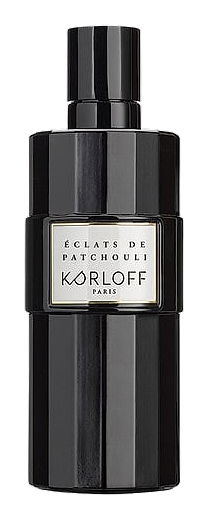
The Korloff brand was founded in 1978 by Daniel Paillasseur, a jeweler who wanted to create a maison that could stand alongside Paris’s historic houses. He named the company after the Korloff diamond, a 33‑carat black diamond that entered the market in the late 1990s and quickly became a symbol of the brand’s bold aesthetic. The first Korloff boutique opened on Rue de la Paix, placing the label in the heart of the French capital’s high‑end retail district. In 1996 the house launched its inaugural fragrance, a floral‑fruity composition that marked the brand’s first foray beyond jewelry. The scent was distributed through the same boutiques that showcased the brand’s rings and necklaces, reinforcing the idea that scent could be worn alongside a piece of jewelry. A second wave of perfume development arrived in 2008 when Korloff introduced a dedicated perfume line, expanding the portfolio with more complex olfactory narratives. Over the following decade the house released a series of niche releases, including Korloff Men (2010), Rouge Santal (2015), No Ordinary Man (2016), and the patchouli‑focused Eclats de Patchouli (2021). The most recent addition, Bouquet de Neroli (2024), demonstrates the brand’s continued commitment to pairing fresh botanical notes with the timeless elegance of its jewelry heritage. Throughout its history Korloff has kept a single boutique on Place Vendôme, a location traditionally associated with French haute joaillerie, where both jewelry and fragrance are displayed side by side. The brand’s evolution from a pure jeweler to a dual‑discipline maison reflects a broader trend among Parisian houses that seek to translate the language of gemstones into scent, while preserving the meticulous craftsmanship that defined its early years.
Craftsmanship
Korloff develops its fragrances in collaboration with French perfumers who share the house’s dedication to precision. The formulation process begins with a brief that translates a gemstone’s character—such as the depth of a black diamond or the warmth of amber—into olfactory terms. Raw materials are sourced from regions renowned for quality: Indian sandalwood, Indonesian patchouli, Middle‑Eastern oud, and French Grasse jasmine. Each ingredient undergoes a series of quality checks, including gas‑chromatography analysis, to ensure consistency across batches. The house favors natural extracts where possible, supplementing with synthetics only when they enhance stability or longevity without compromising the scent’s integrity. Bottles are crafted in French glass workshops that specialize in crystal cutting; many containers feature faceted surfaces that catch light similarly to a cut stone. Gold or platinum accents are hand‑applied, echoing the metalwork found in Korloff’s jewelry collections. The packaging includes a velvet‑lined box that mirrors the interior of a jewelry case, reinforcing the tactile connection between scent and adornment. Production runs are limited, allowing the brand to maintain close oversight of each step, from raw material receipt to final sealing. This controlled approach ensures that every bottle that leaves the atelier carries the same level of detail that a Korloff necklace would demand.
Design Language
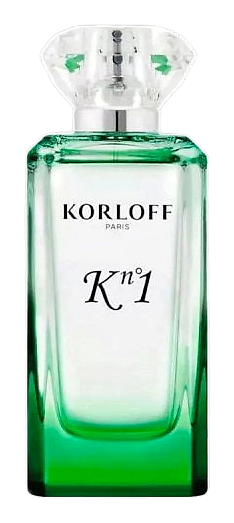
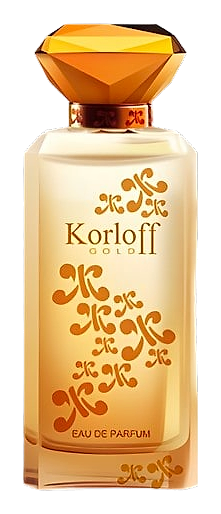
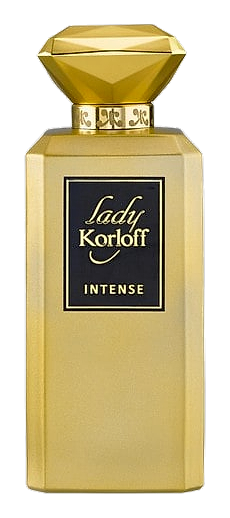
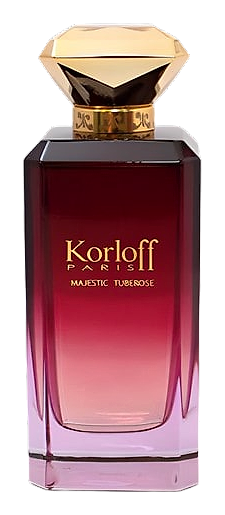
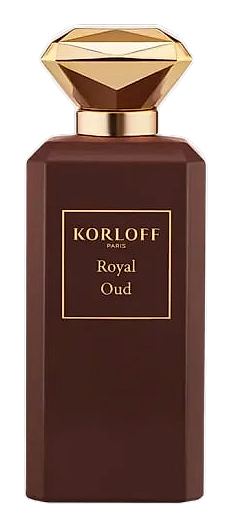
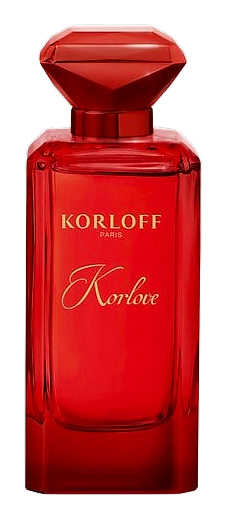
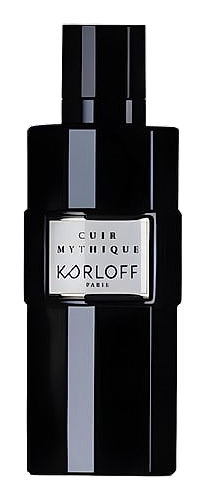
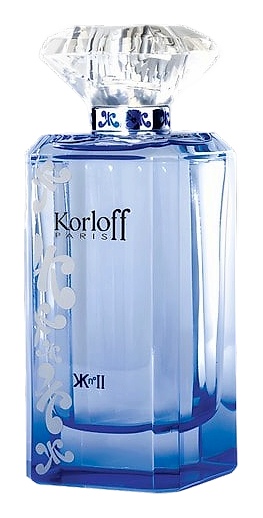
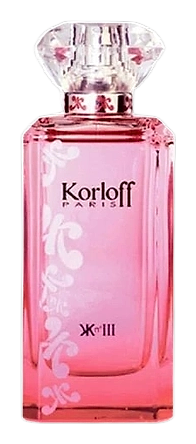
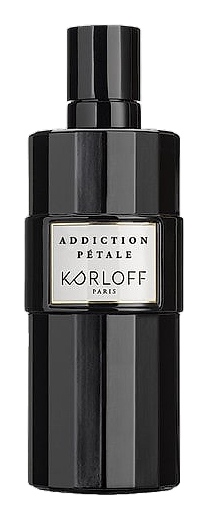
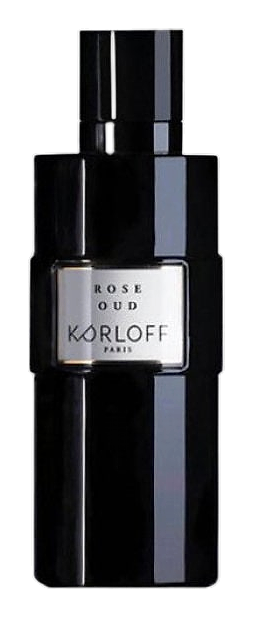
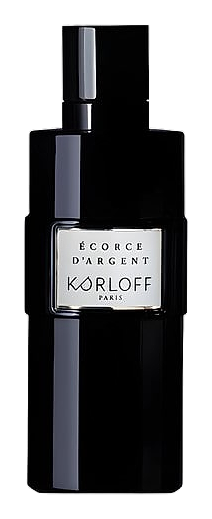
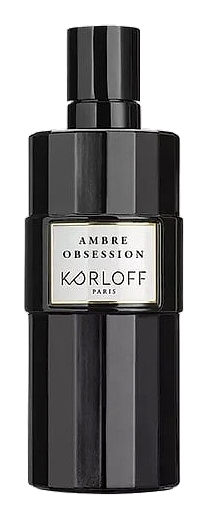
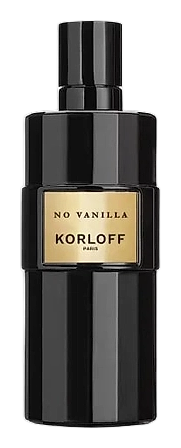
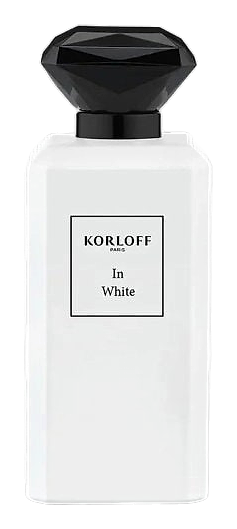
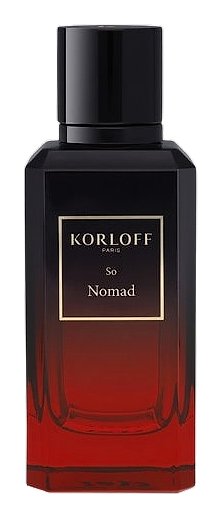
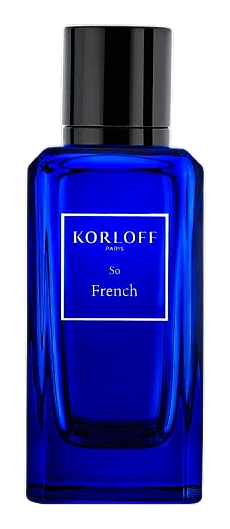
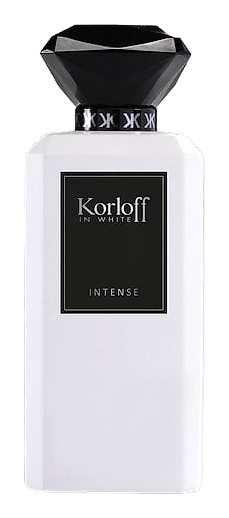
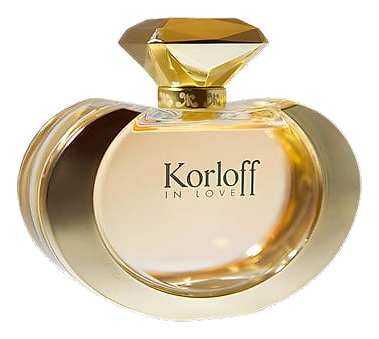
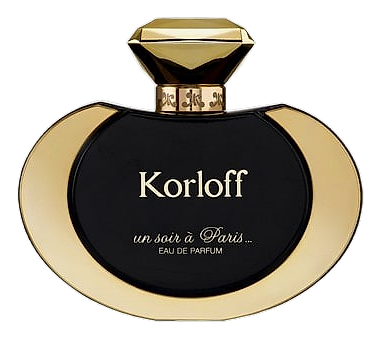
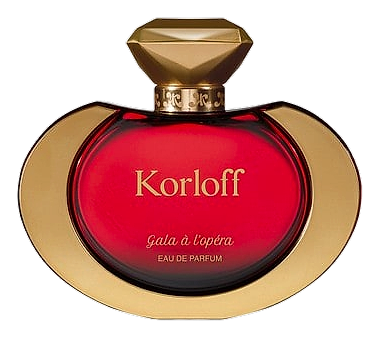
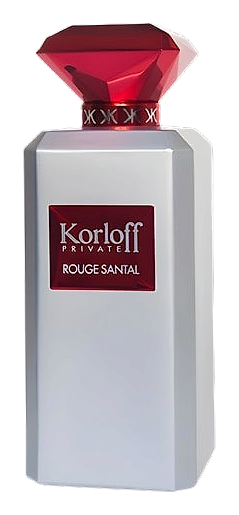
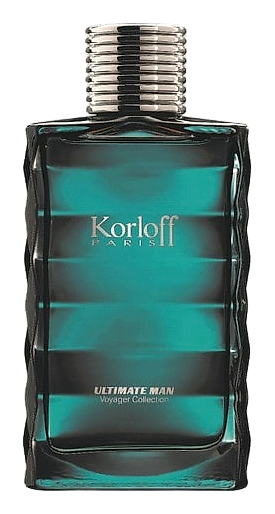
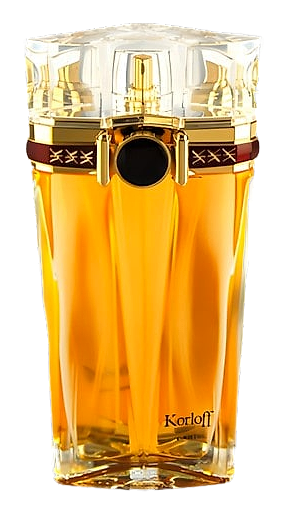
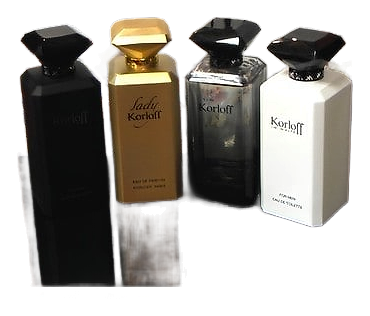
Visually, Korloff presents a sleek, monochrome palette punctuated by the sparkle of metal and stone. The brand’s logo—an angular diamond silhouette—appears on all touchpoints, from storefront signage to perfume caps. Bottle designs often incorporate faceted glass that refracts light, creating a miniature prism that recalls the cut of a diamond. Gold or rose‑gold collars encircle the neck of the bottle, echoing the setting of a high‑end ring. Labels are minimal, using a sans‑serif typeface set against a matte black background, allowing the bottle’s shape to dominate the visual field. In boutiques, fragrance displays sit alongside jewelry on velvet trays, and lighting is calibrated to highlight both the glint of gemstones and the clarity of the perfume glass. Advertising imagery favors close‑up shots of the bottle against dark, textured surfaces, with occasional inclusion of the corresponding jewelry piece to underline the concept of scent as wearable art. The overall aesthetic balances modern minimalism with the opulent heritage of Parisian haute joaillerie, positioning the fragrance line as a natural extension of the house’s visual language.
Philosophy
Korloff’s creative vision treats fragrance as an extension of its jewelry philosophy: each scent should possess a clear structure, a defined focal point, and a lasting impression, much like a well‑cut diamond. The house emphasizes authenticity, sourcing raw materials that can be traced to their origins and that meet strict purity standards. Rather than chasing fleeting trends, Korloff selects ingredients that complement the timeless quality of its metalwork and gemstones. The brand also values the sensory dialogue between sight and smell; bottle designs echo the geometry of its jewelry, and the olfactory palette often references the colors and textures of precious stones. Sustainability is addressed through careful supplier selection, favoring farms and distilleries that practice responsible harvesting. In its marketing, Korloff avoids hyperbole, instead allowing the perfume’s composition and the bottle’s tactile experience to speak for themselves. This restraint mirrors the house’s broader commitment to understated elegance, where the wearer discovers luxury through subtle, personal moments rather than overt proclamation.
Key Milestones
1978
Daniel Paillasseur founds Korloff Paris, opening the first boutique on Rue de la Paix.
1996
Korloff launches its debut fragrance, a floral‑fruity scent that introduces the brand to the perfume market.
2008
A dedicated perfume line debuts, expanding the portfolio with more complex compositions.
2015
Rouge Santal is released, showcasing the house’s use of sandalwood and warm spices.
2016
No Ordinary Man arrives, emphasizing a masculine blend of oud and amber.
2021
Eclats de Patchouli launches, highlighting Indonesian patchouli as a central note.
At a Glance
Brand profile snapshot
Origin
France
Founded
1978
Heritage
48
Years active
Collection
3
Fragrances released
Avg Rating
3.7
Community sentiment
Release Rhythm


