The Story
Why it exists.
The beginning
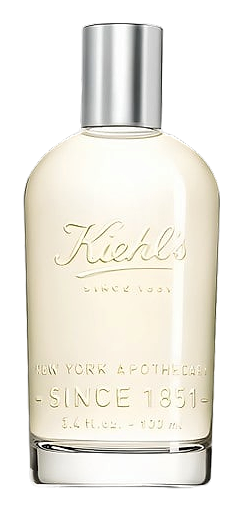
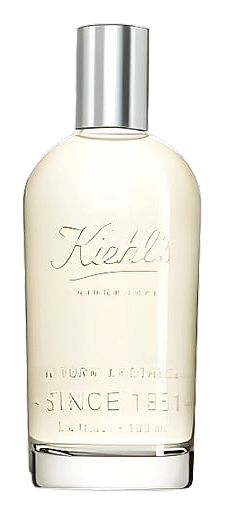
The Aromatic Blends line pairs two strong ingredients without letting either overpower the other. Patchouli and Fresh Rose landed in 2013, earthy root meeting delicate petal, sharp citrus warming against wood. The blend opens with bright citrus that feels clean and immediate, a brief formality before the deeper notes arrive. The rose builds gradually, lush but restrained, never tipping into syrupy sweetness. Underneath, the patchouli adds a grounding warmth that keeps the floral from feeling purely decorative. The naming says everything: no pretense, just the pairing.
What makes this work is restraint. Rose has a reputation for going loud, for saturating a room before you've finished spraying. Here, it's been given structure, held in place by patchouli's grounding quality rather than allowed to float free. The patchouli doesn't disappear. It acts as the foundation, keeping the rose honest. The bergamot and mandarin in the opening aren't just decoration; they give both protagonists room to arrive gracefully.
The evolution
The citrus opening arrives clean and bright, bergamot first with mandarin orange following slightly sweeter. A brief formality before the main event, the initial burst doesn't linger. The rose doesn't storm in. It builds, becoming the dominant impression as the citrus recedes, lush but not syrupy, with a presence that feels intentional rather than accidental. The patchouli doesn't announce itself either. You catch the first hint of earth beneath the petals, a warmth that keeps them from feeling purely decorative. The drydown is where this fragrance earns its Kiehl's name. The rose fades to something quieter, almost skin-like, while the patchouli settles into its final form: woody, slightly mineral, faintly sweet. On fabric, it lingers into the evening. On skin, you get a quiet presence that lingers comfortably through the day, not a sillage monster, but not a ghost either.
Cultural impact
Patchouli & Fresh Rose appeals to wearers drawn to the grounding quality of patchouli without the intensity it can carry on its own. The rose brings a softness that tempers the earthiness, creating something that reads as both structured and approachable. Comparisons to other rose-patchouli compositions surface in discussions, but this one occupies its own space within that family. The patchouli doesn't dominate; it supports. The rose doesn't overwhelm; it leads. What results is a fragrance that feels neither purely floral nor purely woody, finding its identity in the space between those categories.