Heritage
A house, in its own words
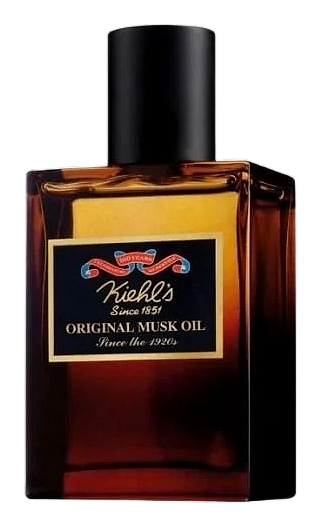
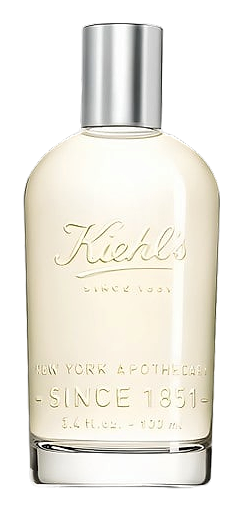
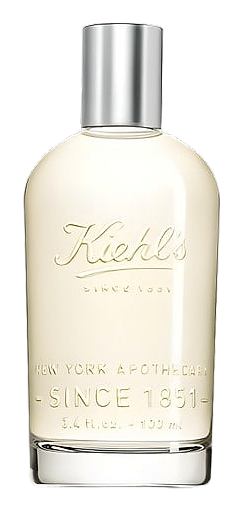
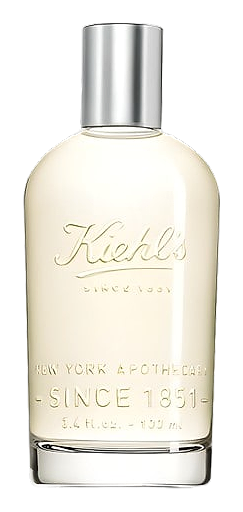
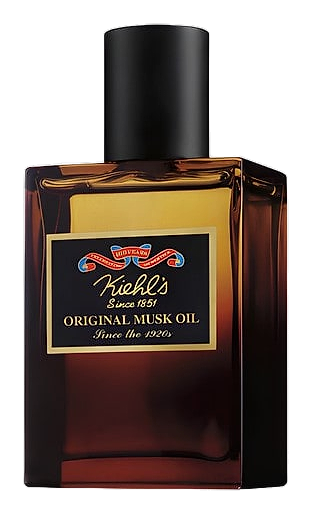
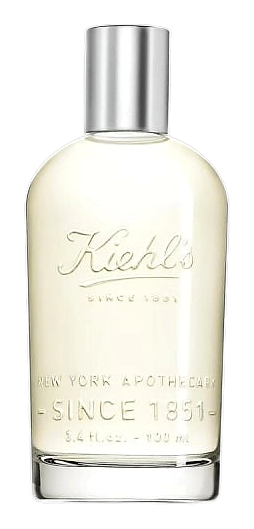
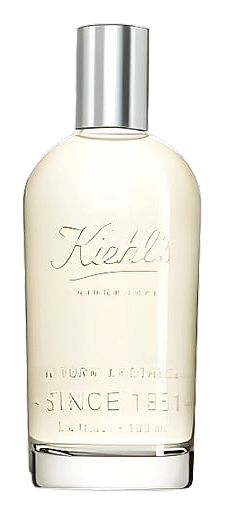
The Kiehl's story begins on East Third Street in 1851, when Louis Brunswick opened a pharmacy serving Manhattan's growing immigrant community. In 1894, John Kiehl, a trained pharmacist with a passion for botany, purchased the shop. Kiehl's son Irving and eventual partner Aaron Morse continued the apothecary tradition, expanding the business while preserving its neighborhood feel. The pharmacy reportedly stocked tinctures and formulations with colorful names: Love Oil, Money-Drawing Oil, and other botanical preparations reflecting the eclectic remedies of the era. The brand's fragrance breakthrough came in 1972 with Original Musk Oil, a warm, multifaceted musk that became Kiehl's signature. The Smithsonian's National Museum of American History holds a bottle from this era in its collection. Aaron Morse's family background connected the brand to wider perfume industry history: family members had founded the California Perfume Company in 1886. Kiehl's remained privately held through most of the 20th century, growing from a single store into a global brand. L'Oréal acquired the company in 2000, bringing international reach while attempting to preserve the apothecary ethos. Kiehl's describes its fragrance approach as formulating for purpose rather than fashion. The brand resisted industry conventions around limited editions and seasonal launches for decades, preferring to build collections around specific aromatic profiles that deserved attention. The Original Musk exemplifies this philosophy: rather than chasing musk trends, Kiehl's created a complex, warm fragrance with multiple musk variants and skin-like behavior. The Aromatic Blends line applies this thinking to accessible, high-impact pairings like Vetiver and Black Tea, Fig Leaf and Sage, and Patchouli and Fresh Rose. Each combination targets a specific olfactory territory rather than a trend. Kiehl's avoids elaborate fragrance narratives in favor of straightforward descriptions of what the wearer will smell. This directness, consistent across their marketing and packaging, reflects the brand's apothecary roots: ask for what you need, receive a formulation designed to provide it.