The Story
Why it exists.
The beginning
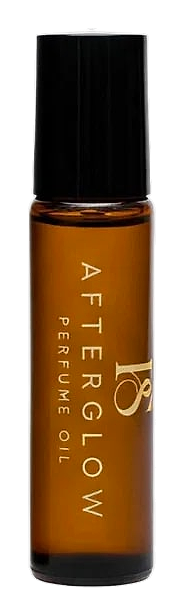
Afterglow arrived in 2026 from Pocket of Scents, a house known for roll-on perfume oils rather than spray bottles. The format matters here: oil-based scents sit closer to the skin, unfold slower, and tend to read warmer than their alcohol-based counterparts. That choice shapes everything about how this composition behaves on you. The name does real work. Afterglow is the light that lingers after the flash. The warmth that stays after the heat source moves. Pocket of Scents built a fragrance meant to feel like the residue of something already happened, not the spectacle itself. The saffron-jasmine opening sets a confident first impression, but the heart and base pull you somewhere more private: ambergris, amberwood, cedarwood, fir resin.
What makes the structure interesting is the pairing of ambergris with amberwood. Ambergris is oceanic, mineral, almost salty in its best expressions. Amberwood is dry, warm, slightly syrupy. Together they create a tension between sea-air and desert-heat that most oriental-woody compositions flatten into pure sweetness. The saffron on top amplifies this: saffron itself reads slightly marine to some noses, which means the opening and the heart are in conversation from minute one. Then the fir resin arrives.
The evolution
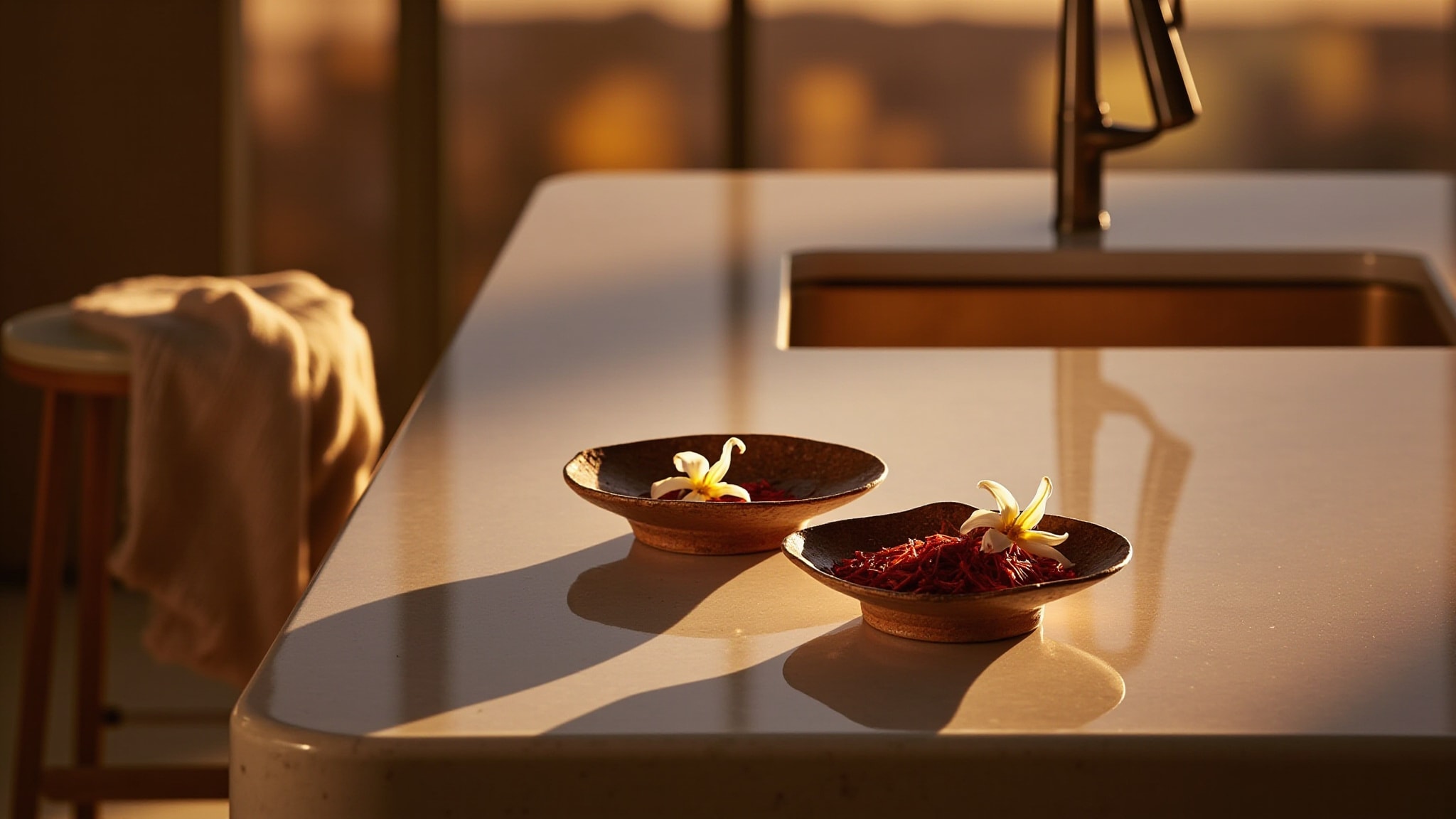
The first thirty minutes belong to saffron and jasmine. The saffron leads: leathery, slightly metallic, with that curious salty edge. Jasmine lurks underneath, not as a full floral statement but as a softness that rounds out the saffron's sharper angles. It reads confident and a little unexpected, like saffron wearing velvet gloves rather than its usual iron gauntlets. Around the forty-minute mark, the ambergris and amberwood take over. This is where the scent shifts from bright to golden. The amberwood gives you that warm, almost maple-like sweetness, while the ambergris adds a saline undertone that keeps things from going syrupy. The jasmine fades but doesn't vanish; it becomes part of the warmth rather than a separate voice, lending a creamy, indolic softness to the amber's resinous glow. The combination reads like sunlight through old glass, warm but filtered, never aggressive.
Cultural impact
Wearers familiar with well-known oriental-woody references will recognize the amber-resin warmth here, though the saffron opening and fir resin base give it a different arc. It reads as a more intimate, skin-bound take, where the composition invites closeness rather than announcing itself across a room. The saffron brings a leathery, almost metallic brightness that few compositions in this family attempt at the top, and the fir resin in the base replaces the more common oud or heavy labdanum with something cooler and more evergreen.