The Story
Why it exists.
The beginning
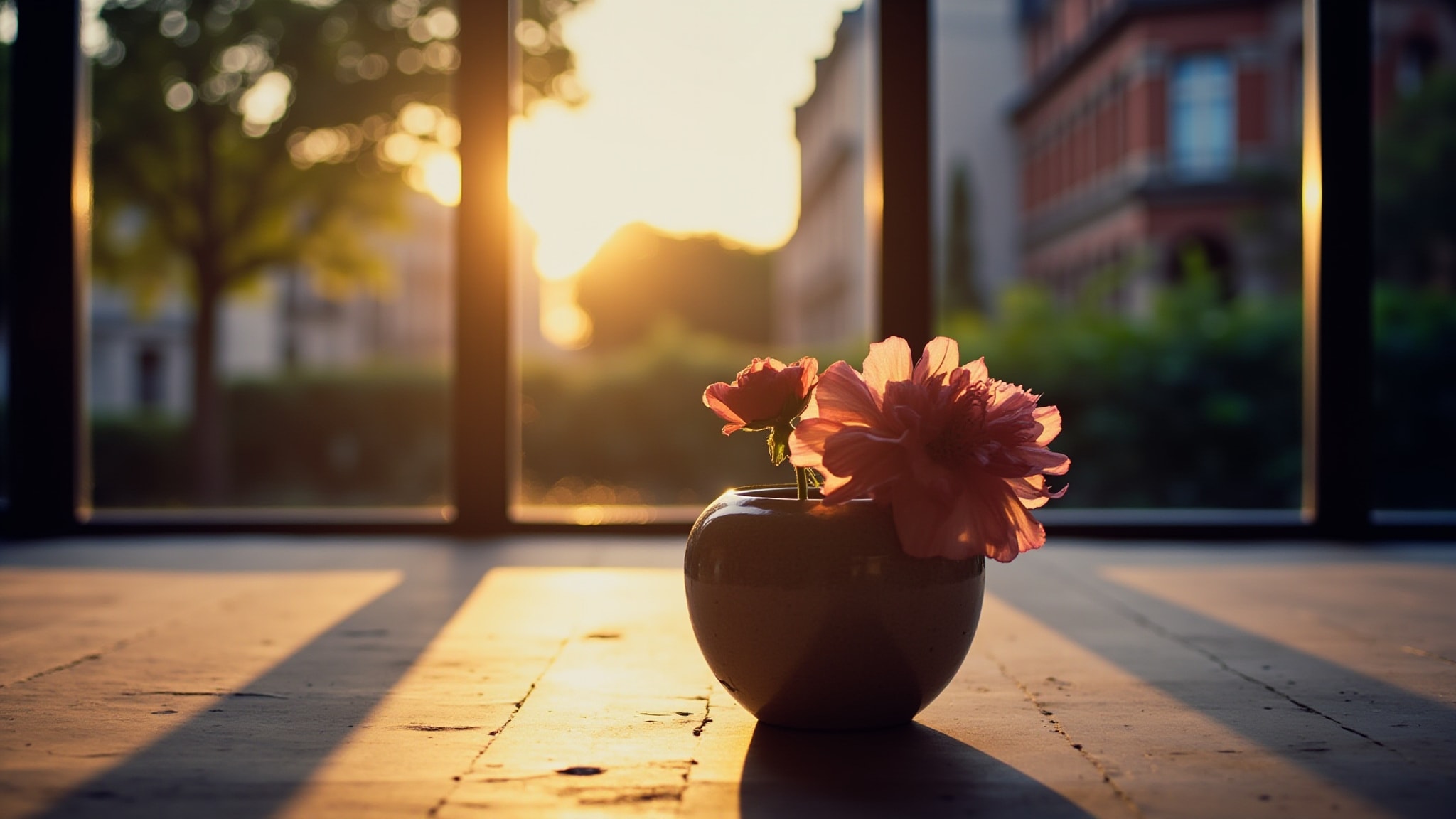
Place des Vosges is the oldest planned square in Paris. Commissioned by Henry IV in 1605, it sits at the heart of the Marais, brick facades, plane trees, the weight of centuries in every shadow. Kerzon built their brand walking this neighborhood, translating its textures into scent. Place des Vosges (Eau de Parfum) is their interpretation of the square's most recurring image: the rose gardens in the central pavilion, blooming at the exact hour when the light turns golden and the city exhales. Perfumer Laure-Leta Jacquet worked with Bulgarian rose, the fluffy petal variety that reads less like a perfume note and more like a feeling. Mango lifts it. Geranium grounds it. The result is a fragrance that smells like morning in a Parisian square, unhurried and certain of itself.
What makes this structure work is the way it refuses easy classification. The blackcurrant bud, a material most houses sidestep for its fermented, wine-like character, enters the heart and adds a tartness that keeps the mango honest. No syrup. No concession to the crowd that wants rose to mean one thing. The geranium base is the real move. Leafy, slightly medicinal, unmistakably lemony: it bridges masculine and feminine without declaring for either. And the litchi? It doesn't amplify sweetness. It adds a transparent shimmer underneath, the smell of tropical fruit that tastes like air rather than juice. The composition refuses to pile on. Every material serves the same note. That note is restraint.
The evolution
Rose and peony arrive first, not shouting, not whispering. Just present, the way a flower is present in a room you haven't noticed until now. The mango follows within minutes, softening the edges without diluting them. By mid-morning, blackcurrant bud adds a tartness that makes the sweetness earn its place. Then geranium takes over. This is where it gets interesting. The base doesn't arrive as a single transition, it layers in gradually, its herbal, lemony character nudging the rose aside like a more insistent gardener. By hour three, the florals have receded but not disappeared. They're underneath now, warm and persistent. Bergamot and litchi carry the drydown, close to skin, intimate, the kind of presence you catch when someone leans in.
Cultural impact
Place des Vosges holds a singular place in Parisian urban history. Originally called the Place Royale when completed in 1612 under Henri IV, it was the first of the great city squares in Europe, establishing a model that would influence urban planning from London to St. Petersburg. The square's red brick facades with blue slate roofs, white stone trim, and distinctive dormer windows create one of the most recognizable streetscapes in France. Kerzon Paris, founded by brothers Élie and Pierre-Alexis, built their fragrance house on the philosophy that perfume should serve attention rather than assertion.