The Story
Why it exists.
The beginning
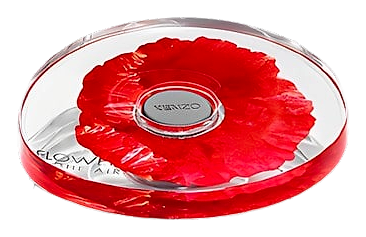
Alberto Morillas returned to Kenzo's most iconic fragrance in 2014 with a clear intention: take Flower by Kenzo and make it breathe. The original had spent over a decade as a signature, and Morillas wanted to ask what would happen if you pulled out the density and left only the lift. Flower in the Air is the answer, a fresh, transparent interpretation built for every day rather than special occasions. It's not a sequel. It's the same flower, held at a different angle to the light.
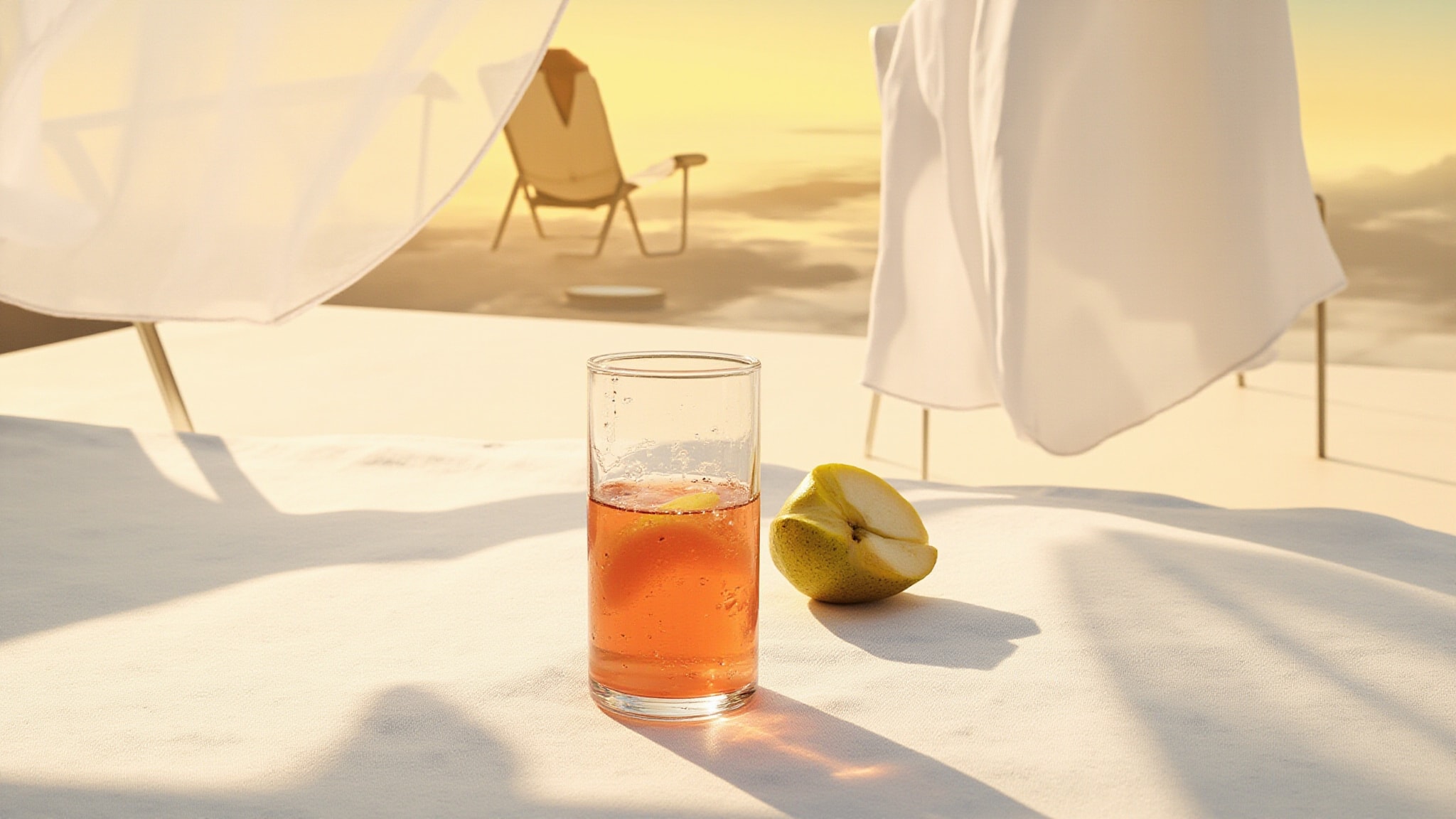
The structure is deliberately slender: pink grapefruit and pear up top, rose and freesia in the middle, white musk anchoring the base. No heavy woods, no vanillas, no dramatic sillage. Each layer exists to support the next without muddying the air between them. The grapefruit gives it a zesty bite that keeps the pear honest, sweet without being confectionery. The rose and freesia don't overpower; they soften. And the white musk isn't an animalic statement, it's the scent of skin, clean skin, skin that just showered and smelled like nothing at all.
The evolution
The opening arrives quickly, pink grapefruit cutting through, the pear adding sweetness without weight. Within minutes the citrus recedes and the florals take over: rose first, then freesia threading through. It never becomes heavy. By the second hour, the white musk becomes more apparent, creating a soft blur between skin and scent. Lasts four to six hours depending on skin chemistry, though one reviewer noted it held longer on fabric than on skin. On a scarf or a pillow, the drydown extends well past when it's gone from your wrist, faint, clean, persistent. The sillage stays moderate throughout. This isn't a fragrance that fills a room. It fills a breath.
Cultural impact
Flower in the Air occupies a particular niche in the Kenzo lineup: the everyday fragrance for someone who loves the house's philosophy but finds the original too heavy. It appeals to wearers who want proximity over projection, presence over performance. The fragrance has sustained steady appeal since 2014, particularly in warmer months and professional settings where restraint reads as confidence.