
The Story
Why it exists.
The beginning
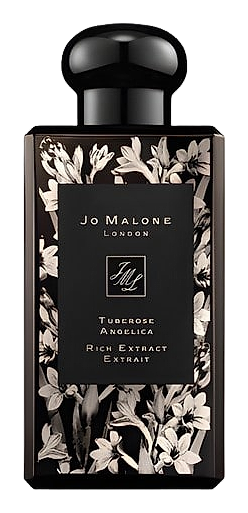
Tuberose Angelica Rich Extrait was composed by perfumer Marie Salamagne as an exploration of contrasts. The brief was deceptively simple: what happens when a green, almost biting botanical meets the intoxicating richness of white florals? The answer lives in that opening, the angelica cuts clean and aromatic, creating space for something sumptuous to follow. This is the tension that drives the fragrance forward.
Angelica rarely appears alongside florals this rich. Its green, slightly bitter quality typically finds itself in colognes and fresh compositions, a bridge between herb and citrus. Here, it serves a different purpose: to sharpen the tuberose, to give that heady white bloom something to push against. The result is a floral that doesn't simply arrive, it arrives with intent, with presence, with a green undercurrent that keeps the sweetness honest.
The evolution
The opening arrives fast, angelica's green bite cuts through, crisp and almost medicinal in its clarity. Within minutes, the tuberose swells, creamy and hypnotic, filling the space the angelica carved out. Ylang-ylang follows, its tropical sweetness blending with the tuberose into something dense and enveloping. Then the drydown: vanilla and amber settle warm against the skin, the florals quieter now but not gone, their powdery animalic undertone lingering close. The Rich Extrait concentration means this phase lasts hours. What remains by morning is a ghost of warmth, no longer floral, just skin that smells like it remembers the night.
Cultural impact
Tuberose Angelica launched in 2017 as the Rich Extrait, an intensification of the Cologne Intense format. It speaks to the wearer who wants Jo Malone London's signature white florals with more depth and fewer concessions. The reception has been quietly strong among those who seek richness without loudness, a floral for someone who prefers presence to projection.