The Story
Why it exists.
The beginning
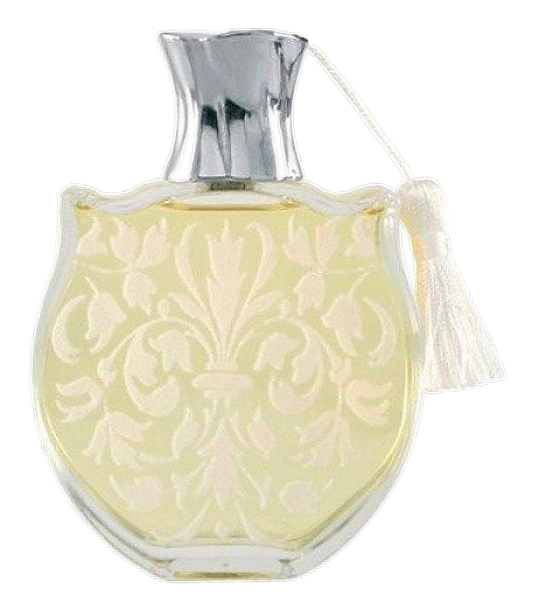
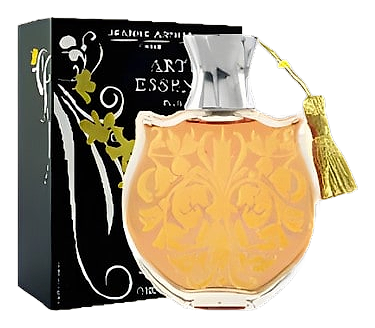
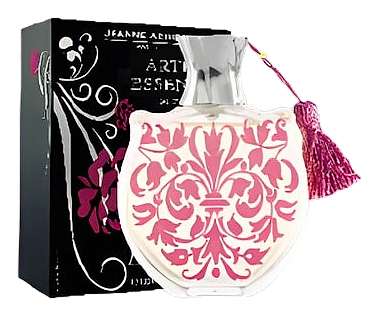
Rose Damascus takes its name from the Damask rose, a cultivar believed to have originated in ancient Syria, along the trade routes that once carried spice, silk, and fragrance between East and West. The Damascus rose earned its reputation for a particular richness: deeper, slightly spiced, more velvety than its Bulgarian cousin. Jeanne Arthes released this in 2010 as part of the Essential line, a trio of scents meant to distill specific floral identities into their most direct form. Jean-Pierre Béthouart, who signed the formula, had been building compositions for the house since at least the early 1990s. His brief here was clear, one flower, done without apology. Not a bouquet. Not a concept. Just the rose, from opening to close.
What makes Rose Damascus interesting as a composition is what it chooses not to do. There are no top-note gymnastics, no strategic citrus deception to suggest complexity that isn't there. The rose arrives immediately and stays. This is either the fragrance's greatest strength or its most cited limitation, depending on who you ask, the formula offers little structural drama, no apparent attempt to orchestrate a transition between phases. The result is a scent that reads as honest, even if it's not particularly layered. For someone who wants a rose they can smell clearly for most of the day, this directness is a feature. For those accustomed to fragrances that evolve, the flatness reads as underdeveloped.
The evolution
The opening hits clean and floral, a rose that smells like rose, not like rose-flavored anything. There's no tricksy bergamot to seduce you first. It simply arrives. Within the first hour, a powdery warmth begins to build underneath, and this is where the scent diverges from a fresh-cut flower into something warmer, closer to skin. The transition isn't dramatic, the rose doesn't hand off to something else, it simply deepens in place. By hour three, you're in the full drydown: powder, soft woods, that slightly synthetic edge that some reviewers have compared to cough syrup, though others find it closer to clean, scrubbed skin. The base lingers quietly close to the skin through the evening, not a dramatic finale but a ghost of rose and powder that stays with you.
Cultural impact
Rose Damascus has earned a quiet second life among those who seek it out. Discontinued but not forgotten, it surfaces in fragrance forums as a reliable, affordable rose that punches above its weight for longevity. The community divides along predictable lines: those who appreciate its straightforward floral honesty and those who find it too simple to be interesting. Both camps agree it smells unmistakably of rose. That alone puts it ahead of many fragrances that claim the same.