The Story
Why it exists.
The beginning
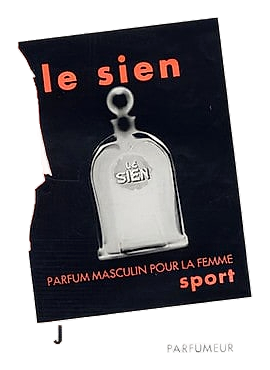
Le Sien arrived in 1929, a clean, green citrus composition from the house of Jean Patou, the French couturier. Patou turned to perfumer Henri Alméras with a clear idea in mind: something modern, something that smelled like movement itself. Le Sien was the answer. It cut against the heavy orientals and dense florals of its era, a quiet departure in a decade that favored ornament over ease. The fragrance landed the same year as advertisements pairing it with women golfers, a visual statement that placed Le Sien squarely in a new register of femininity, one built for women who were going somewhere, not just being seen. What Alméras delivered was a composition of startling clarity. Citrus opens bright, almost sharp, the kind of tart brightness that hits the skin like a splash of cold water.
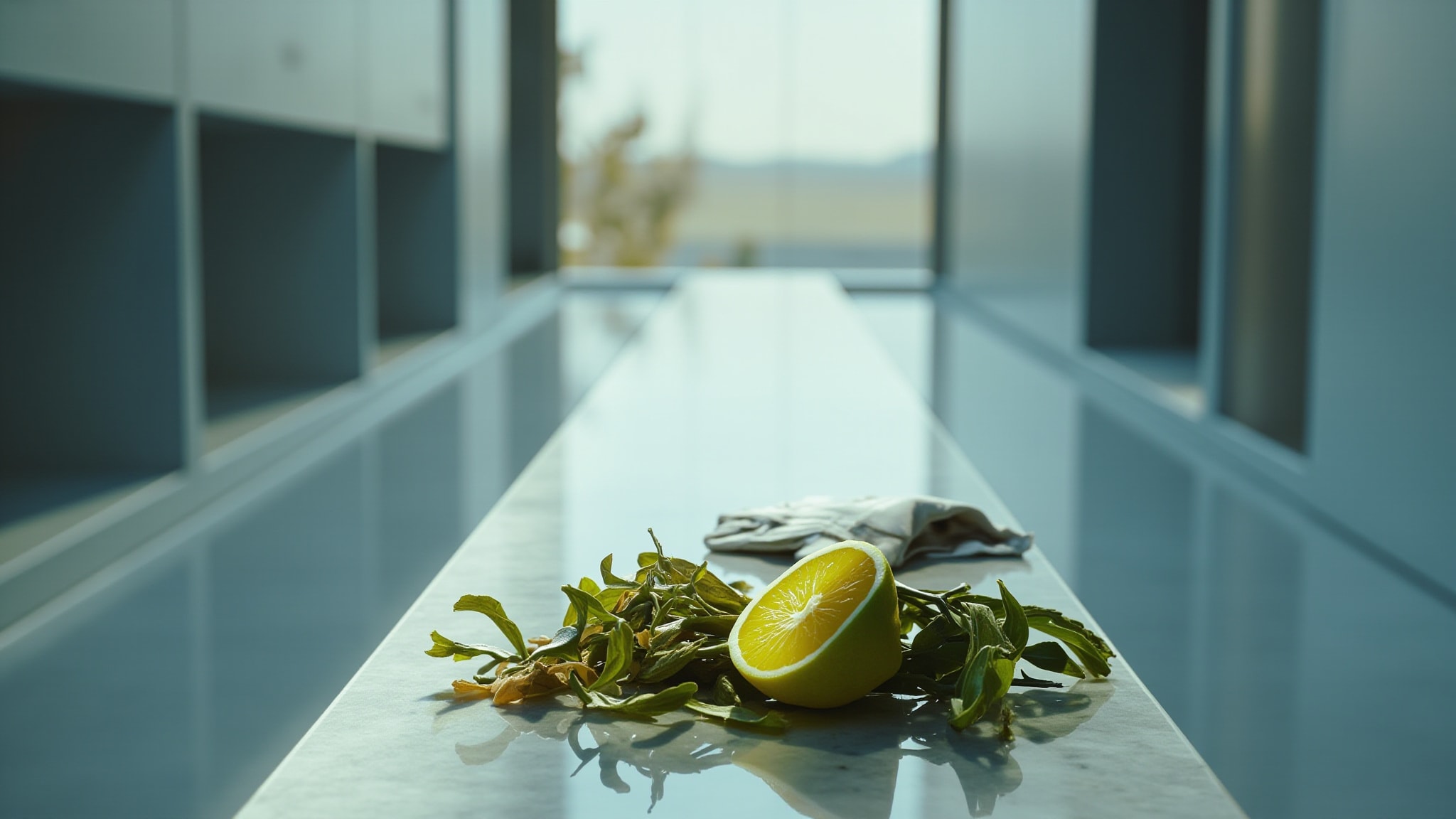
What makes Le Sien structurally interesting is its restraint. The composition stays narrow on purpose, built on just two pillars: citrus and green. Citrus opens bright, almost tart, the way a lemon tastes before the sugar kicks in. Green notes thread through the heart, leafy and sharp, the scent of something alive and growing. There is no floral excess, no dense resinous warmth, no attempt to dress up what is essentially a very clean idea.
The evolution
Le Sien opens the way a cold morning feels against your skin: sharp, bright, fully awake. Citrus hits first, almost tart, the kind of brightness that makes you pay attention. Green notes follow close behind, leafy and crisp, like the smell of a stem snapped between your fingers. This is the opening in full voice, all energy, no hesitation. The first fifteen minutes are the most assertive the fragrance will ever be, a burst of clean, green sharpness that announces itself clearly. By the half-hour mark, the composition begins to settle. The green softens, loses some of its initial edge, becomes rounder and more rounded, less a shout and more a steady tone. The citrus recedes but doesn't disappear. It lingers beneath the green, a quiet brightness that keeps the whole composition from going too dark or too heavy. Through hours two and three, the structure stabilizes into its final form.
Cultural impact
Le Sien occupies a curious place in fragrance history. Often cited as one of the first modern scents to deliberately blur the line between masculine and feminine, it arrived at a time when most perfumes were unapologetically gendered, built on heavy florals, dense orientals, or sharp chypres. Le Sien offered something different: a clean, green citrus composition that felt neither overtly feminine nor masculine, just modern. It was marketed to active women who wanted something clean and unfussy, but its structural clarity gave it a crossover appeal that the era's heavier perfumes lacked.