The Story
Why it exists.
The beginning
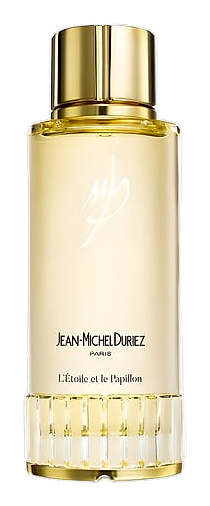
The title says everything. L'Étoile et Le Papillon, The Star and the Butterfly, is built on the idea of two beings that everything opposes. One is fixed, distant, dazzling. The other moves low and close to the earth. Duriez wrote about the butterfly rushing toward the star with a rose, the star not seeing, the flutter, the near-touch, the surrender. The rose falls. Then it doesn't. The star descends. They become one. This fragrance carries that narrative weight in its structure, two olfactory ideas that should never meet yet somehow do. The collaboration with graffiti artist Noah-Two brought the concept into three dimensions through 168 lacquered wooden boxes, each one signed and numbered.
What makes the structure interesting is how deliberately it inverts expectation. Rose and vanilla should be cloying together. Here, the Turkish rose arrives cool, almost mineral, a stem freshness that keeps the sweetness honest rather than syrupy. The ylang-ylang adds a tropical cream that bridges toward the sandalwood without rushing. Meanwhile, the white amber isn't the heavy resin of a traditional amber, it's a veil, something worn rather than applied. The drydown on New Caledonian sandalwood earns its name: milky, almost foamy, nothing like the sharp wood of a cedar forest. Lichen and patchouli provide the ground. But barely. The warmth wins.
The evolution
It opens on the rose. Not the headshop fantasy, something cleaner. Turkish rose, still attached to its stem, with the faint green of a cut thing. Vanilla arrives within minutes, but it's sweet without softness, a warmth that keeps pace with the rose instead of overwhelming it. Ylang-ylang deepens the middle act into something tropical and intimate, a humid exhale that turns the floral into something lived-in rather than idealized. The transition to drydown is where it earns its name. The star doesn't fall, it descends. The sandalwood rises to meet the fading rose, and for a moment both exist in the same space: bright floral above, creamy wood below. The white amber holds everything together like a thread, preventing the separation from becoming a loss. On fabric, the lichen and cedar whisper long after the rose has gone quiet, an afterimage rather than an echo. The next morning: warmth.
Cultural impact
Independent French perfumery found a different voice in this work. Smaller houses offered collectors alternatives to what mass-market releases provided, and Duriez's background at heritage houses positioned him to work in that space between tradition and something new. His approach to French elegance carries through in the restraint, the clarity, the way the fragrance asks to be discovered rather than announced. The perfume community has come to recognize perfumers as artists, and this scent represents that shift, a piece of olfactory storytelling that rewards attention over casual wear.