The Story
Why it exists.
The beginning
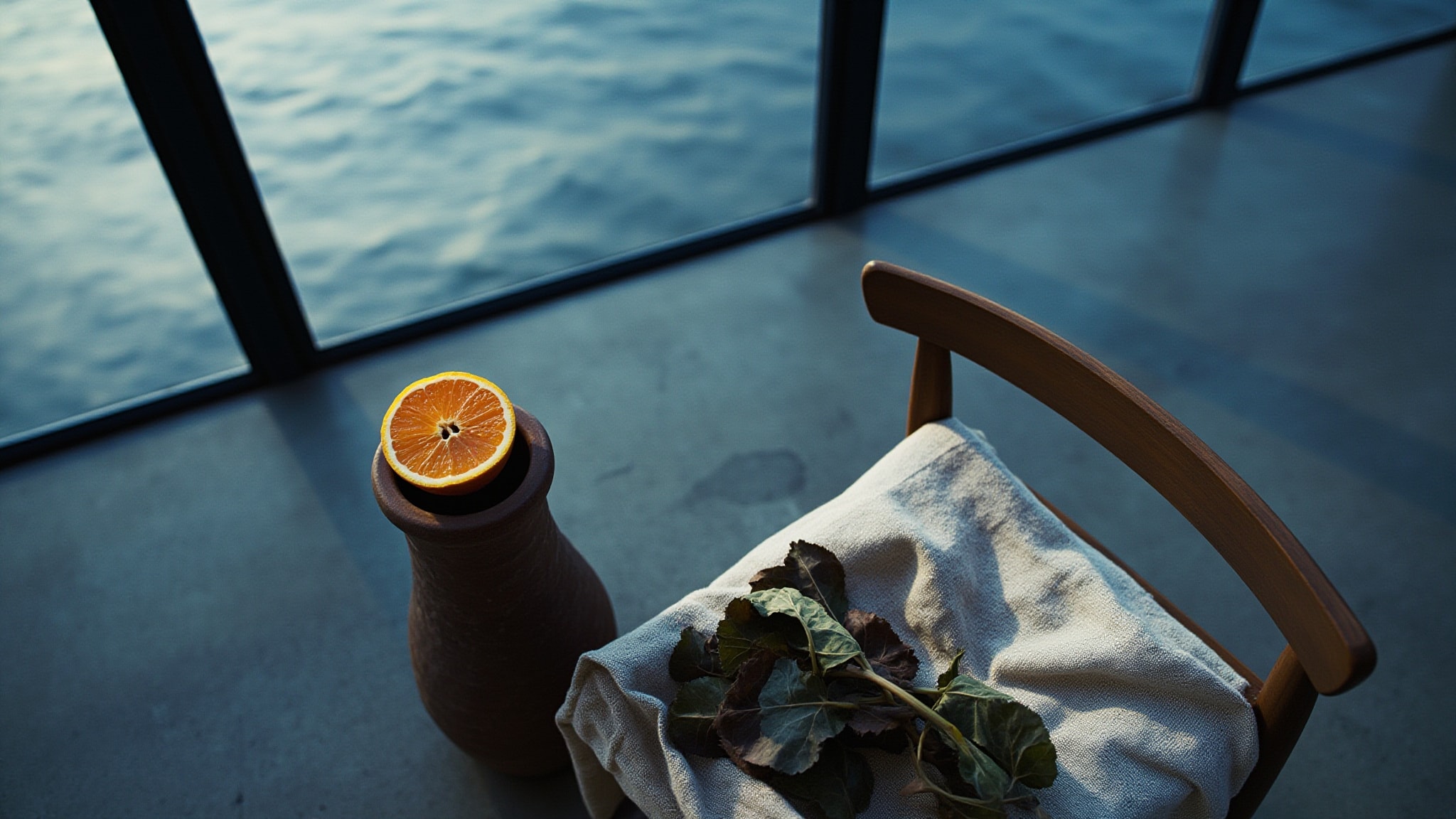
After launching her debut fragrance in 2007, Isabela Capeto returned in 2008 with a second chapter that felt less like a sequel and more like a different time of day. Where the first composition leaned warm and orient, this one reached toward something cooler, more open, the sea-facing windows of a studio in Rio, the hour before the beach fills. The collaboration with Phebo, the Brazilian soap maker with decades of botanical expertise, gave her access to a different register of materials. Sea water. Rhubarb leaf. A green tartness that arrives before the florals and doesn't wait for permission.
The rhubarb leaf and seawater pairing is the structural surprise here. Rhubarb leaf typically appears in fruity compositions, tart, almost medicinal, serving as a bridge between berry and green. Seawater is marine, mineral, reductive. Together they create an opening that is simultaneously green and cool, with a slight tartness that keeps the aquatics from reading flat or soapy. It's the kind of unconventional pairing that suggests a perfumer who understood the materials well enough to trust them. The heart that follows, magnolia, lily of the valley, jasmine, rose, is generous and white-floral, but it arrives with the humidity already built in, as if the florals grew near the coast rather than inland.
The evolution
The opening arrives quickly: citrus and the sharp green of rhubarb leaf, with seawater lending a cool mineral undertone. Within minutes the citrus recedes and the florals take over, magnolia first, then lily of the valley settling into jasmine and rose. The handoff is smooth but not seamless; there's a moment around the thirty-minute mark where the rhubarb's tartness and the white florals feel like they're arguing, then they settle into something more coherent. The drydown is where sandalwood and vetiver do their work, with amber and musk adding warmth without sweetness. On most skin types this holds for four to six hours, closer to the longer end on fabric. The next day, there's a faint trace of sandalwood and vetiver, clean, not intrusive.
Cultural impact
Released in 2008 alongside a wave of aquatic and white-floral fragrances from larger houses, Isabela Capeto 2 distinguished itself through the rhubarb-seawater pairing, an unconventional combination that suggested the perfumer was working from instinct rather than market positioning. The fragrance found an audience among those seeking something with genuine Brazilian character, the kind of scent you discover rather than inherit. While it hasn't achieved the mainstream recognition of its contemporaries, it holds a specific place in the memory of anyone who encountered it, a reminder that Brazilian perfumery has its own register, one built on humidity, color, and unhurried warmth.