
The Story
Why it exists.
The beginning
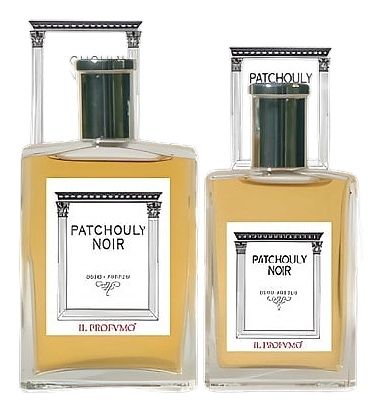
In 2006, Silvana Casoli turned her attention to patchouli, not to tame it, but to reveal what it could be when allowed to soften. The earlier Il Profvmo releases had explored lightness and florality. Patchouli Noir was something else entirely: an invitation into darkness, earth, and resin. Casoli built it around the idea of contrast, the note's natural tannic grip met with warmth until the severity dissolved. What remained was the essence without the armor.
Patchouli is one of perfumery's most debated materials. Some want its earthiness raw and confrontational. Others avoid it entirely. Casoli's approach splits the difference: Indonesian patchouli, known for its deep mustiness and chocolate-wood depth, becomes the foundation rather than the statement. Cedar and vanilla don't mask it, they reshape it. The result is patchouli that retains its character while losing its thorns. It's the note for people who think they don't like the note.
The evolution
Patchouli Noir opens with a soft floral veil, delicate, almost powdery, like the memory of petals rather than petals themselves. The patchouli doesn't charge in. It arrives gradually, settling alongside the resins until the two become indistinguishable. Cedar and vanilla are already at work in the early minutes, rounding edges that haven't declared themselves yet. By the heart, the fragrance breathes, warm, full, the earthy depth softened by amber sweetness. The sillage stays close, intimate, pulling you back to your own wrist. The drydown stretches longest: resinous warmth, worn wood, vanilla that refuses to fully leave.
Cultural impact
Patchouli Noir entered a crowded category. By 2006, patchouli had been claimed by everyone from mass market houses to niche labels. What set this one apart was its refusal to lean into the note's harshness. Where others used patchouli's grit as a selling point, Casoli offered warmth instead, making the note accessible without diluting it. For serious collectors, this remains the reference point for what patchouli can become when a perfumer chooses to soften rather than confront.