The Story
Why it exists.
The beginning
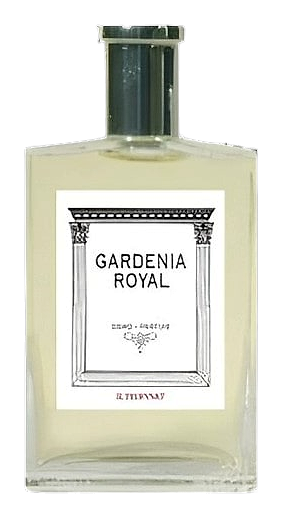
Gardenia Royal arrived in 2004 with a gardenia that refused to behave as expected. The note was creamy and lactonic, true to form, but something kept it from settling into expected sweetness. Peony stepped in to provide that counterbalance, its slightly sour, green quality interrupting the creaminess before it could become cloying. The combination meant the fragrance performed differently once it hit skin, lifting and shifting in ways the bottle preview did not suggest. The name carried royalty, but the character underneath had a different quality entirely, something that held back rather than announced itself.
The note structure is deceptively simple: two florals on top, two in the heart, one base note. What makes it interesting is how the four flowers interact rather than compete. Gardenia's lactonic quality, peony's green snap, jasmine's indolic warmth, and tuberose's waxy richness create layers that shift depending on skin chemistry. None of the flowers dominates the others. The philosophy favors letting a single note express itself fully rather than obscuring it with complexity.
The evolution
The opening announces itself with conviction. Gardenia and peony arrive together, the gardenia creamy and lactonic, the peony adding a green snap that keeps everything from getting too sweet. That initial sharpness holds for the first hour. If you've been waiting for white florals to announce themselves rather than whisper, this is that hour. The heart shifts gradually. Jasmine and tuberose emerge, their warmth replacing the peony's edge. The composition softens but doesn't lose its structure. As time passes, the sillage eases toward something closer to the skin. The drydown is clean musk and faint florals, intimate rather than announced. On fabric, the white florals can linger for an extended period, though by then they have flattened into something softer and less distinctive. Performance varies by skin type, with projection fading to a close-skin presence over time.
Cultural impact
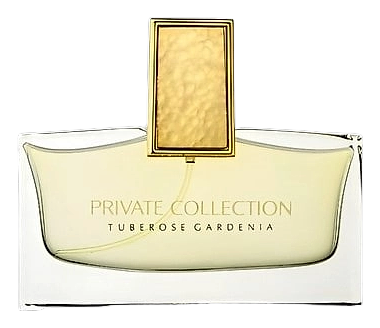
Gardenia Royal sits within the lineage of white floral soliflores, sharing tonal qualities with Estée Lauder's Private Collection Tuberose Gardenia. What distinguishes it is that opening bite, the peony snap that similar fragrances often smooth away. The fragrance appeals to wearers who want white florals that announce rather than whisper, and who appreciate the approach that defines the house, a restrained, artisanal take on floral composition rather than something louder and more conventional.