The Story
Why it exists.
The beginning
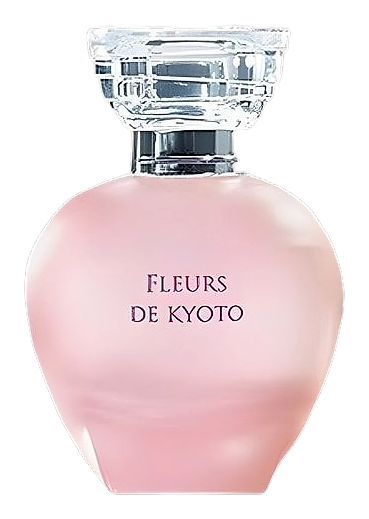
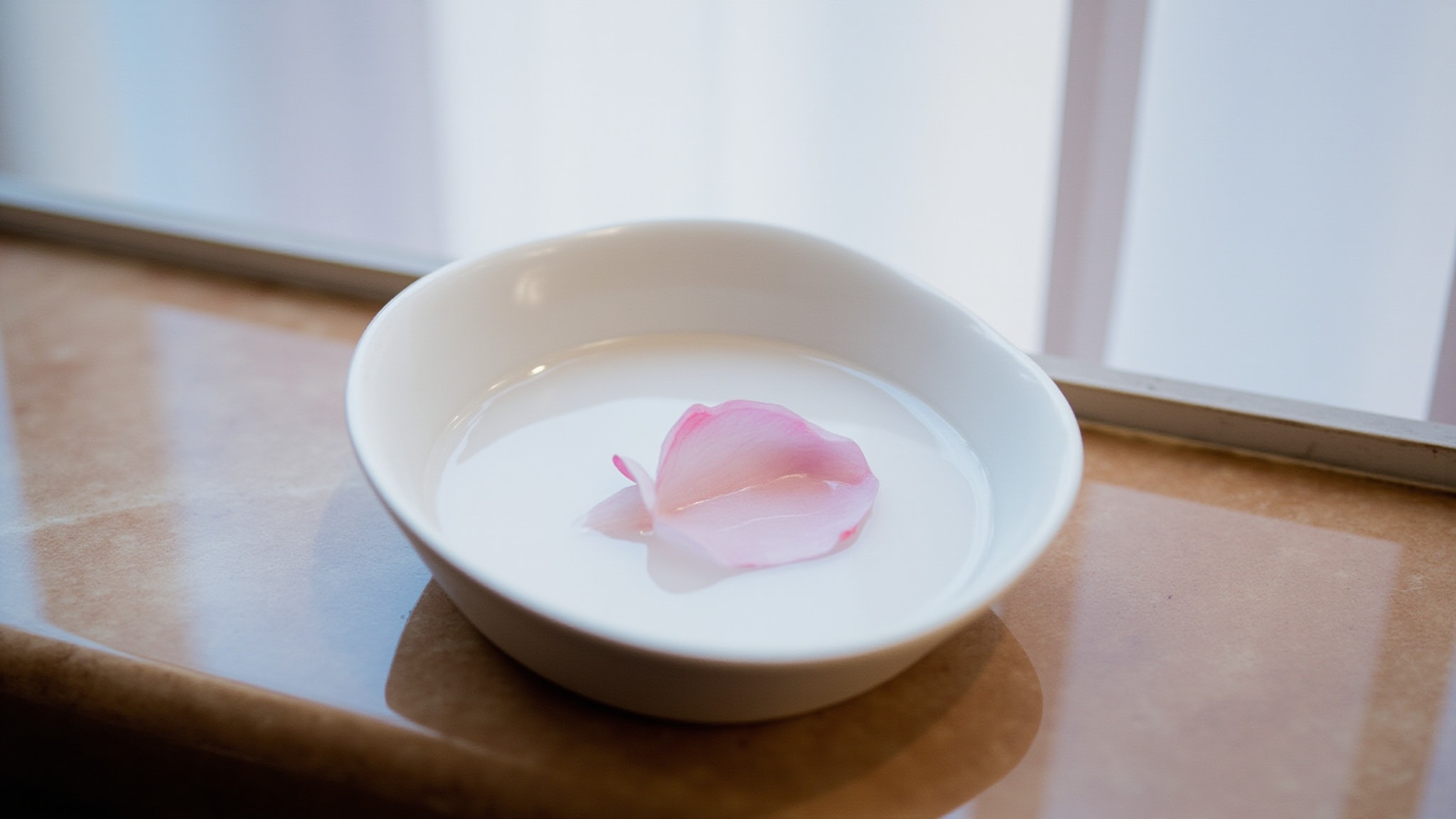
Kyoto. Japan's ancient capital. Cherry blossoms drift through the air every spring, and the city holds them like a breath before releasing them to the wind. Philippe Romano built Fleurs de Kyoto around that exact moment, the one you've seen in photographs but never quite experienced. The brief was simple: translate the ephemeral into something you could carry. Cherry blossom as the heart, Nashi pear to give it coolness and water, blond woods to ground the petals before they scatter. Launched in 2017 by ID Parfums. The fragrance opens with a crystalline freshness that recalls that first burst of cool air before the petals begin to fall, and the clean woods that follow keep the whole composition from dissolving before you've had a chance to fully appreciate it.
What makes this structure interesting is its refusal to commit. The Nashi pear, part apple, part pear, native to East Asia, brings a crispness that most Western pear notes miss. It reads green and slightly mineral, like biting into the fruit near the core. Cherry blossom then softens everything without sweetening it. And blond woods, pale, warm, unaggressive, do the quiet work of keeping the whole thing from disappearing entirely. The result is a composition that trusts restraint, finding strength in what it chooses not to say.
The evolution
Fleurs de Kyoto opens with Nashi pear doing the heavy lifting, crisp, watery, a moment of cool before anything else settles. The cherry blossom arrives within minutes, drifting in like fog lifting off a garden. No fanfare. No transition music. Just one sensation replacing another. The drydown takes its time. Blond woods, the quietest of bases, eventually claim what remains, keeping the sillage close and intimate. The whole arc reads like a spring afternoon: gentle, unhurried, over before you've fully registered it. On fabric, it ghosts longer than on skin, the fibers holding that fleeting moment a little longer than flesh can.
Cultural impact
Fleurs de Kyoto landed in 2017 with no particular ambition to dominate a room. Community votes show spring and daytime as its natural habitat, daytime at 35, spring at 36. The sillage is moderate, the longevity unremarkable by modern standards. What it offers instead is quietude: a fragrance for someone who doesn't need to announce themselves, who prefers presence without projection. The composition trusts restraint, and that restraint reads as its own kind of confidence. A scent that whispers rather than shouts, and in doing so, says something more interesting.