The Story
Why it exists.
The beginning
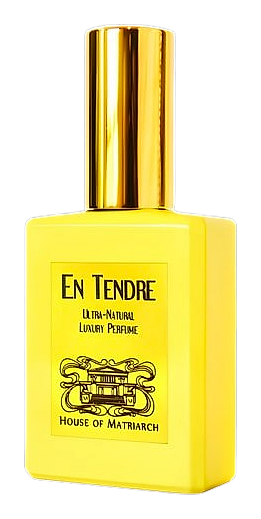
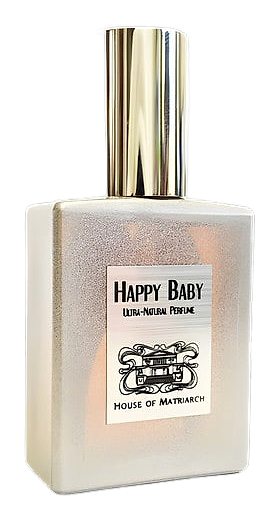
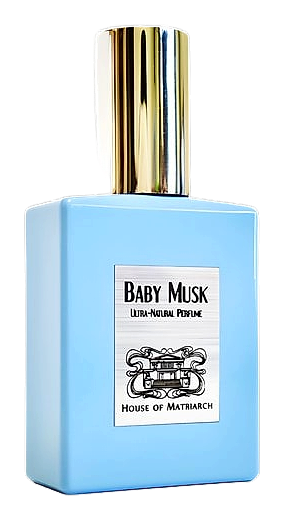
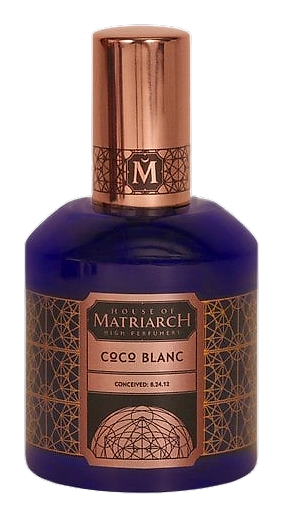
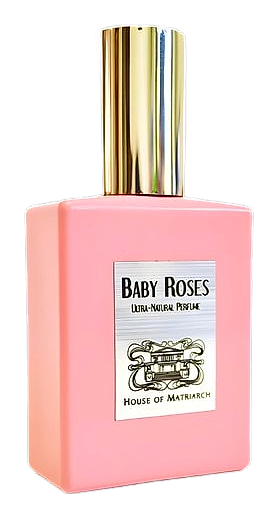
Baby Roses was born from a personal moment. Christi Meshell created it to celebrate the birth of her son Angelo, drawing on memories of a time when baby toiletries used subtle, natural ingredients, rose and vanilla, nothing synthetic, nothing loud. The idea was to bottle that tenderness: the softness of new beginnings, the scent of something small and perfectly formed. It wasn't designed to compete with the loud, statement fragrances of the market. It was designed to mean something.
What makes Baby Roses distinctive is its refusal to overreach. Rose and vanilla is a well-worn combination, but the addition of Provençal herbs shifts the balance, that herbal, slightly green quality keeps the sweetness from becoming cloying. The result is a fragrance that reads as both innocent and grounded. It's the kind of composition that works precisely because it doesn't try to do too much. On skin, the herbs arrive quietly, adding depth without overwhelming the rose. The vanilla anchors everything, pulling it into a warm, powdery drydown that stays close for hours.
The evolution
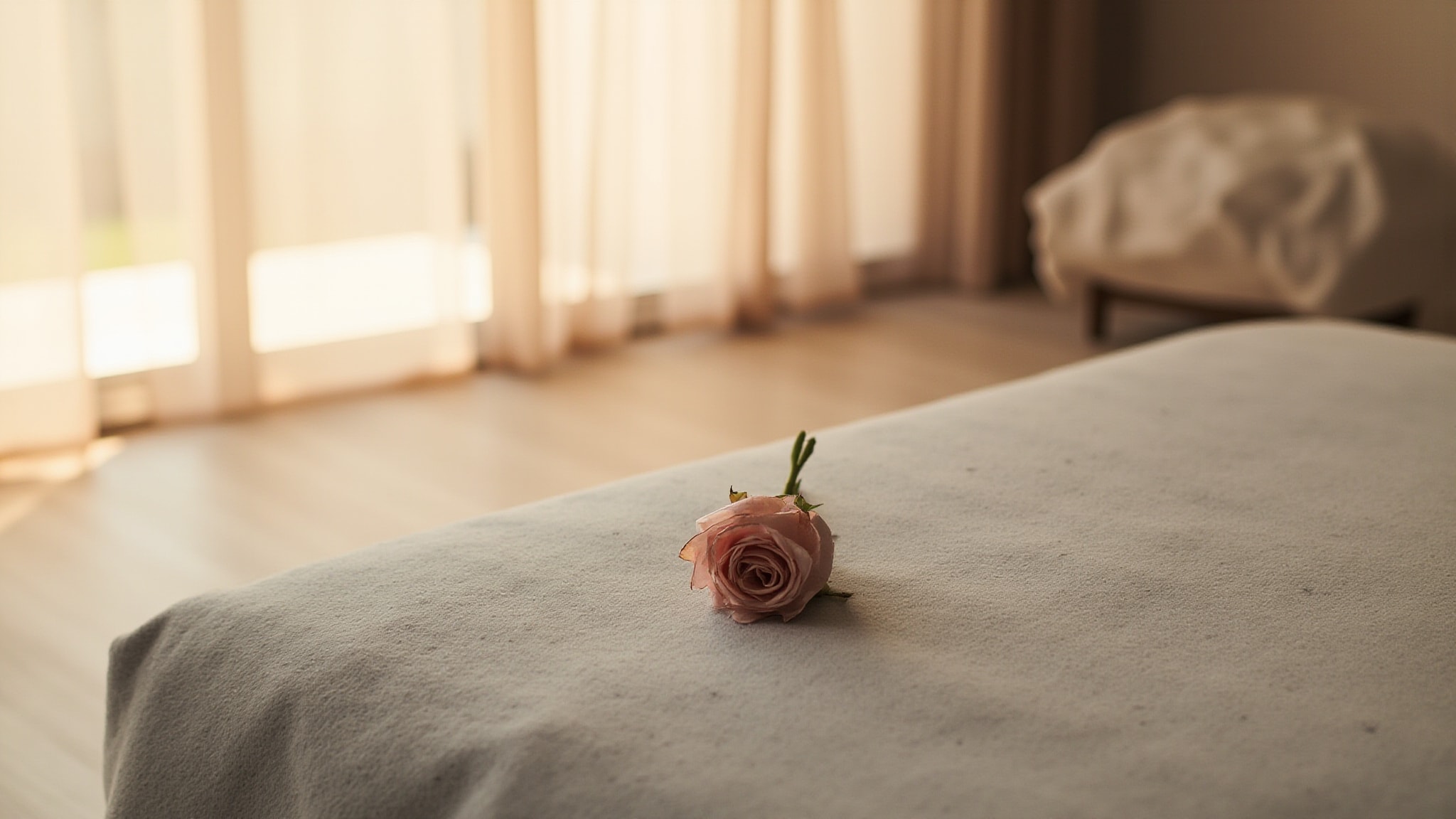
The opening arrives immediately, rosebuds, soft and pink, with a hint of vanilla warmth right behind. Within minutes, the Provençal herbs make their entrance: green, slightly aromatic, keeping the sweetness honest. The rose doesn't amplify after that. It softens. Settles. The vanilla becomes more pronounced as the herbs recede, creating a warm, powdery core that reads as both tender and timeless. The drydown is where Baby Roses lives, intimate, skin-close, the kind of scent that someone notices only when they're standing close enough to touch. On fabric, it lingers into the evening. On skin, expect 4 to 6 hours of quiet presence.
Cultural impact
Baby Roses occupies a specific corner of niche perfumery, the tender, the personal, the gift fragrance. It's not a statement piece or a social fragrance. It reads as intimate, almost private. Collectors who gravitate to House of Matriarch tend to value exactly this kind of restraint: compositions that tell a story without shouting it from across the room.