The Story
Why it exists.
The beginning
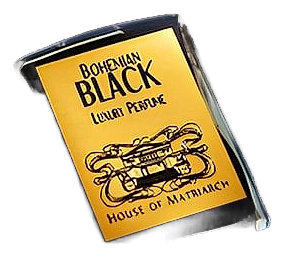
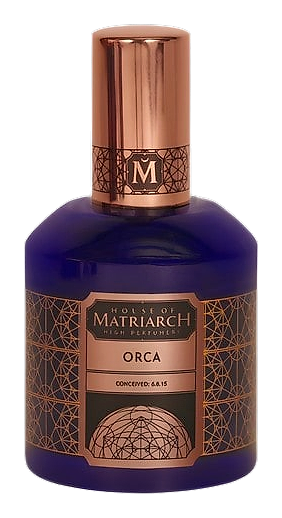
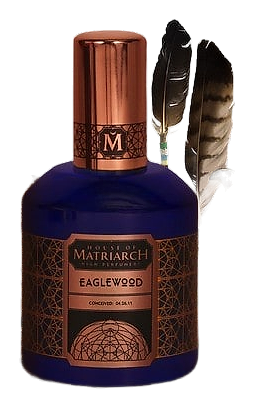
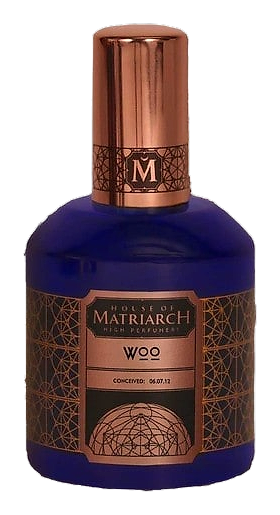
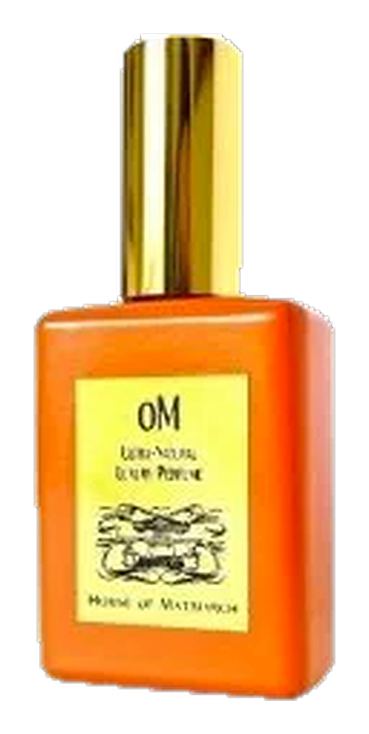
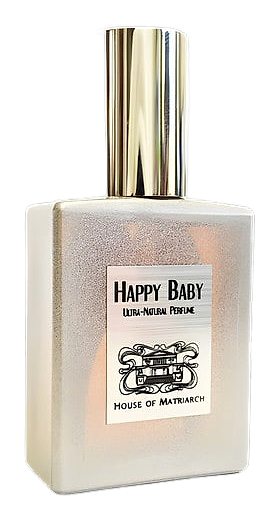
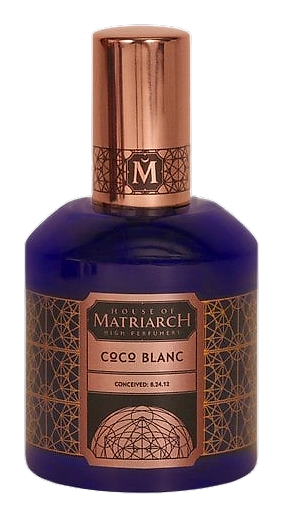
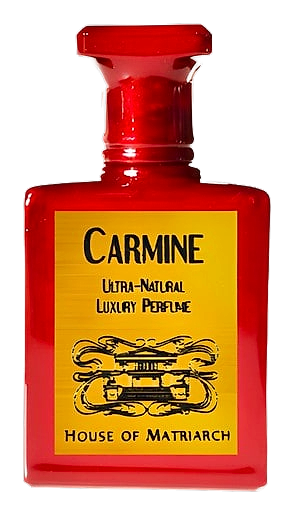
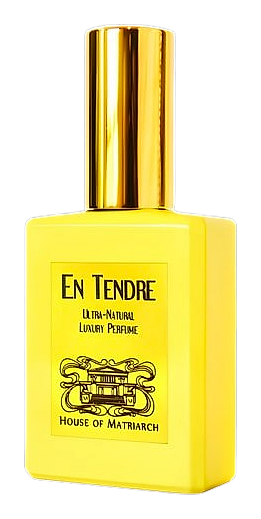
En Tendre arrived in 2012 from House of Matriarch, the Seattle studio where Christi Meshell had spent years pushing botanical materials into unexpected territory. The name suggests softness, intimacy, the French word for tender. But Meshell has never been interested in obvious moves. The brief, if there was one, seems to have been: take two classical materials, rose and sandalwood, and let them misbehave. What emerged wasn't a love letter to either ingredient. It was something stranger, darker, more alive.
Rose and sandalwood together usually promise comfort. Think powders, think skin-musk, think the soft center of a perfume wardrobe. En Tendre breaks that contract early. The rose doesn't arrive like a bouquet, it arrives like a plant, stem and green heat and a waxy petal that hasn't been sugared. The sandalwood underneath isn't the creamy, smooth sandalwood of modern perfumery. It's older, woodier, with a resinous depth that some wearers describe as animalic. That's the tension: two gentle words doing something rough.
The evolution
The opening hits green and immediate. Not a flower yet, a stem, a leaf, the smell of rose before it opens. This phase is brief, maybe ten minutes, before the heart blooms into something darker and waxier. The rose isn't delicate here. It's dense, almost herbal, with a resinous quality that gives it weight rather than airiness. Then the sandalwood arrives, not as a soft base but as a warm, woody presence that layers under the rose rather than smoothing it. Together they create something neither note does alone. The drydown is where En Tendre earns its reputation. The green fades, the rose becomes abstract, and what remains is resinous wood with animalic warmth that lingers close to the skin for six to eight hours. On fabric, it lasts into the next day, a ghost of rose and warmth that doesn't quite leave.
Cultural impact
En Tendre sits in an interesting position within the House of Matriarch catalog, simpler in structure than some of the house's more narrative-driven releases, but stranger in character. The rose-sandalwood pairing appears across niche perfumery, but the herbaceous, animalic direction sets it apart from warmer, more conventional interpretations. Wearers who connect with it tend to describe it as distinctive; those who don't tend to use words like 'musty' and 'brackish.' That split is the fragrance's legacy.