The Story
Why it exists.
The beginning
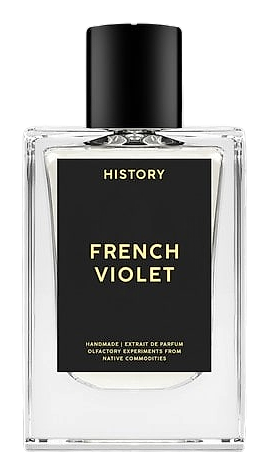
The story behind French Violet begins not in a laboratory but in the gardens outside Toulouse, where a particular variety of Parma violet has been blooming since 1854. According to the local legend, a soldier returning from Italy under Napoleon's reign brought the bulbs back as a gift for his lover, a romantic origin for a fragrance that has since become synonymous with French elegance. History Parfums didn't invent this story. They simply paid attention to it. The violet has always been there, waiting to be translated into something wearable. What the brand did was honor the source material: not a generic floral, but a specific flower with a specific history, grown in a specific place that smells like spring mornings and old stone walls. The challenge was capturing that without turning it into something dusty.
What makes French Violet interesting isn't the violet itself, violets have been in perfumery since the 19th century, but the way the composition builds around it. The iris does most of the structural work, providing that characteristic powdery texture that makes violet feel cohesive rather than fleeting. Without iris, violet can read as fleeting, almost watery. With it, the heart gains substance. The cedarwood base keeps the entire composition from becoming too soft, adding a woody undertone that prevents the fragrance from floating away entirely.
The evolution
French Violet announces itself gently, the kind of opening that requires you to lean in rather than step back. The pear and violet arrive together, bright and slightly dewy, before the iris and freesia expand the floral heart into something broader. Rose appears quietly, not dominant but present, adding a touch of romantic warmth to the powdery base. The first hour is the most distinct, this is where the violet reads clearest, before the musk begins to soften everything. By the second hour, the cedarwood has come forward, shifting the composition from floral to slightly woody. The transition isn't dramatic. It's the kind of evolution that happens gradually, almost imperceptibly, until you realize the fragrance has changed without your noticing. The drydown settles into a quiet musk with traces of vanilla and almond, warm and skin-close. On most skin types, this lasts four to six hours, not exceptional longevity, but consistent with the fragrance's overall character. It doesn't project aggressively, which means reapplication may be necessary for evening.
Cultural impact
French violet carries a specific cultural weight in perfumery that few flowers achieve. The story begins in 1854 when Parma violet roots arrived in Toulouse, marking the start of a regional obsession that eventually shaped an entire category in French fragrance. History Parfums traces this lineage directly in the name, positioning French Violet as both a tribute and a continuation of a scent tradition rooted in European floriculture. The violet-iris combination referenced in the 2024 launch connects to a lineage of powders and pomades that predates modern extraction techniques, when violet absolutes were labor-intensive luxuries.