The Story
Why it exists.
The beginning
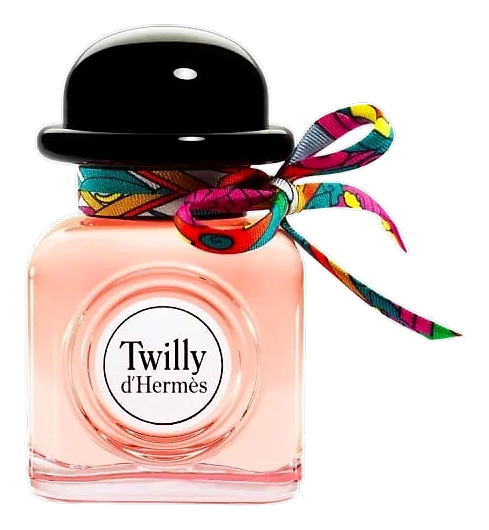
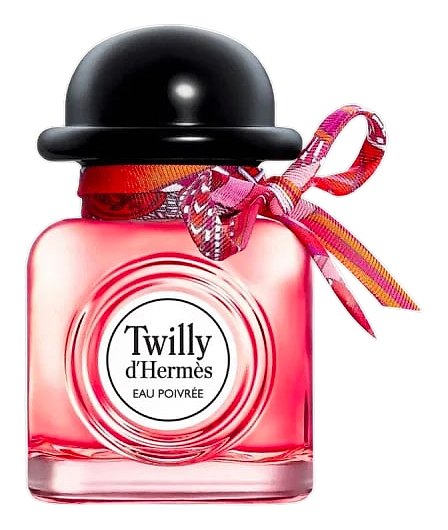
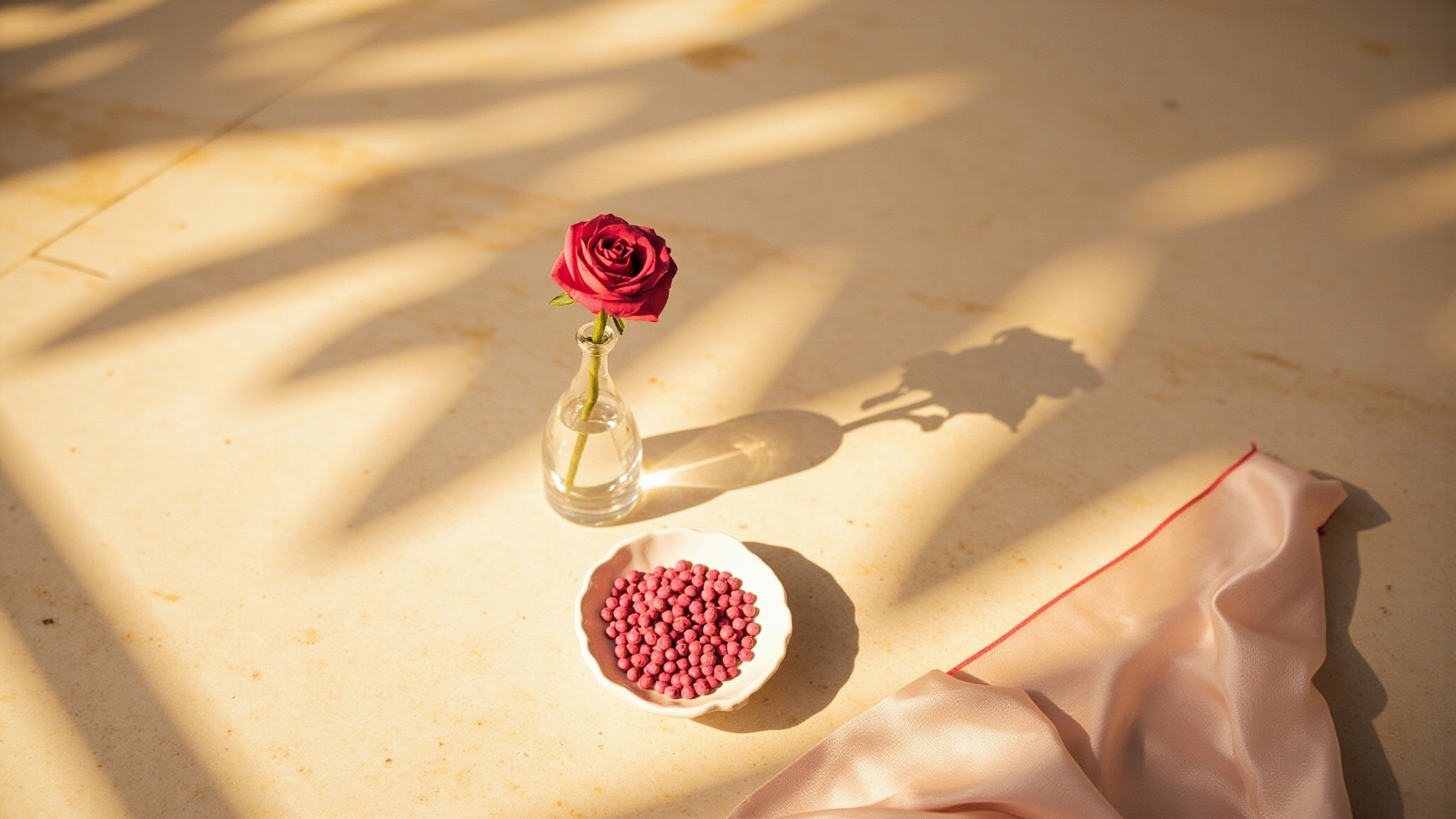
Twilly d'Hermès Eau Poivrée arrived in 2019 as a flank to the original Twilly, launched two years prior. Christine Nagel, Hermès's in-house perfumer since 2016, wanted to capture what she called the "peppery spirit of the Hermès girls." Not a demographic. A disposition. The Twilly woman swims against the current, sets her own tempo, invents a new rhythm when the old one runs out. This fragrance was her tribute to that attitude: a rose composition that refuses to be delicate by default.
What makes this work is the restraint. Rose is everywhere in perfumery, but pairing it with pink peppercorn instead of the usual fruity or aldehydic supports shifts the character entirely. The pepper doesn't overpower, it cuts through the rose's natural sweetness, leaving something cleaner, more mineral. Patchouli in the base isn't the dirty-earthy patchouli of decades past. Here it's the Indonesian variety: soft, almost balsamic, with a drydown that reads more wood than soil. The composition doesn't try to do too much. Three notes. That's the point.
The evolution
Pink pepper hits first, a clean, bright sensation that reads more like citrus zest than actual spice. Thirty minutes in, the rose arrives quietly, not blooming so much as appearing. The transition isn't dramatic. The pepper doesn't disappear; it softens around the edges while the rose takes center stage. By hour two, patchouli begins its slow arrival, not replacing the rose but sitting beneath it, adding weight without heaviness. The drydown is where this fragrance earns its hours: a warm, slightly woody close that stays close to the skin but persists for six to eight hours on most. On fabric, it lingers until the next wash.
Cultural impact
Twilly d'Hermès Eau Poivrée sits in an interesting position: it's accessible enough to reach a wide audience, yet carries the Hermès DNA that keeps it from being generic. The original Twilly line attracted a younger wearer to the house, someone who might not have reached for Calèche or Terre d'Hermès. This flank extends that invitation with a rose composition that appeals to the same sensibility: modern, confident, uninterested in vintage clichés.