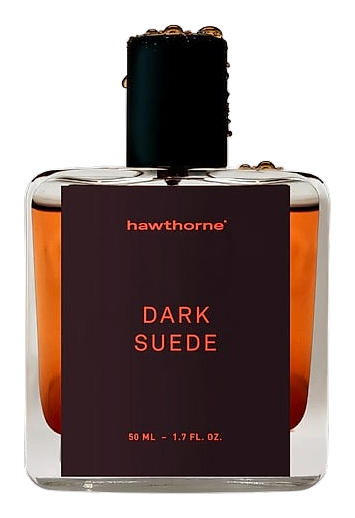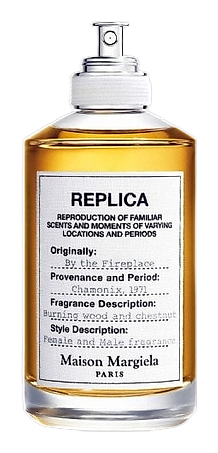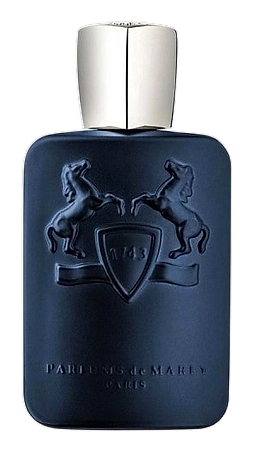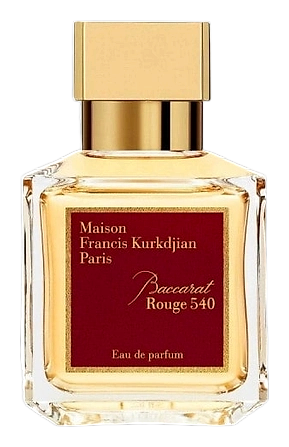
The Story
Why it exists.
The beginning
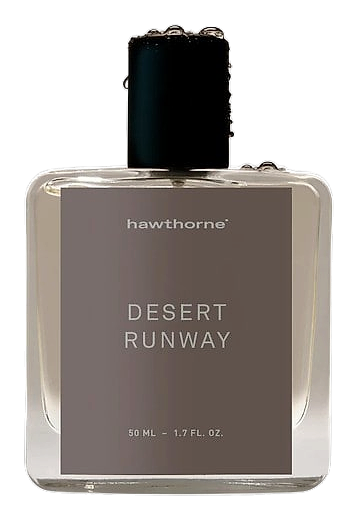
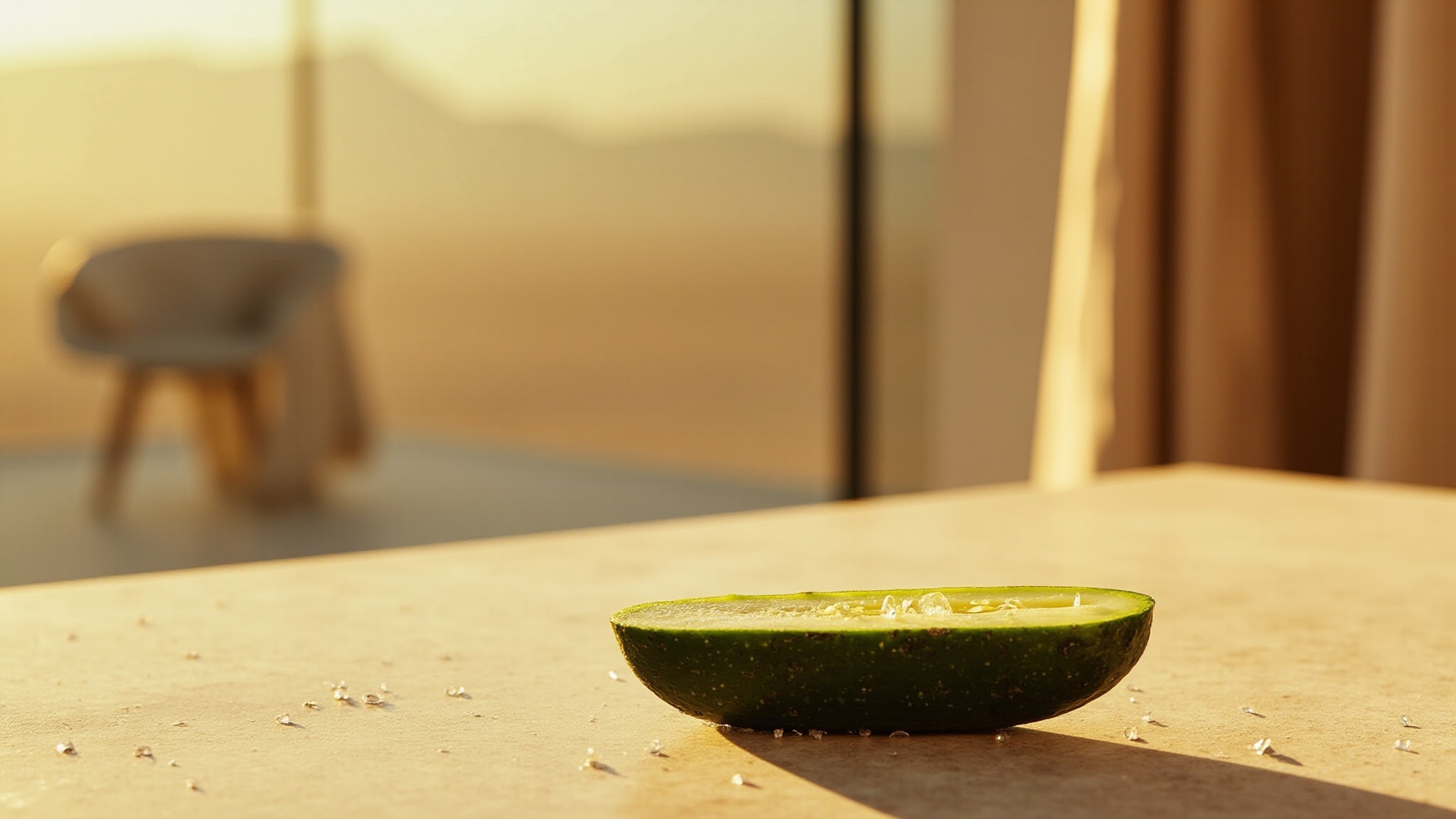
Olivier Gillotin built Desert Runway around a single idea: the desert after a rainstorm. Not the dramatic lightning version, the quiet aftermath, when the air turns cool and the sand holds that mineral-ozonic clarity no other landscape can replicate. The concept asked what sandalwood would smell like if you stripped away everything that gives it meaning, the cream, the sunscreen, the coconut, and left only the wood itself. Australian sandalwood became the anchor not for its status but for its specific character: dry, slightly resinous, with a warmth that reads more mineral than sweet. Cucumber was chosen for its watery precision, not the cucumber of spa treatments, but the actual vegetable's clean, almost green bite that clears the air before the wood arrives. Iris and violet were added for their powdery softness, creating a bridge between that cool opening and the warm finish.
What makes Desert Runway work is the precision of its contrasts. The cool, almost medicinal crispness of cucumber meets the warm creaminess of Australian sandalwood, two materials that shouldn't coexist easily, but here they do. Iris and violet add a powdery dimension that prevents the sandalwood from ever becoming too heavy or linear. The result is a composition that moves between registers: aquatic and woody, powdery and earthy, cool and warm. It's this movement that keeps the scent interesting over hours rather than flattening into a single note.
The evolution
The opening hits clean and immediate. Cucumber's watery quality cuts through like cold air, refreshing, almost medicinal in its precision. There's no sweetness here, no gradual warming. Just clarity. Within minutes, the sandalwood begins its slow arrival, creamy and warm but never heavy, as iris and violet join in and soften what could have been austere into something wearable. The drydown is where this fragrance becomes personal. The powdery iris and violet linger closest to the skin, while the sandalwood settles into a warm, close-to-the-body drydown that stays intimate and quiet. It's not a projection fragrance, it's a conversation in a quiet room. The next morning, there's a faint trace of warm sandalwood on the skin, like the scent decided to stay.
Cultural impact
Desert Runway sits comfortably in Hawthorne's catalog without trying to dominate it. The fragrance targets the man who wants sandalwood without the commitment, someone who appreciates the note but has been burned by overly sweet interpretations. In the broader landscape of sandalwood fragrances, it occupies a space between designer accessibility and niche intensity. Unlike heavier woody compositions that announce themselves, this one rewards the close encounter. It's the kind of scent that reads as confident rather than loud, and that distinction matters.