


Heritage
A house, in its own words
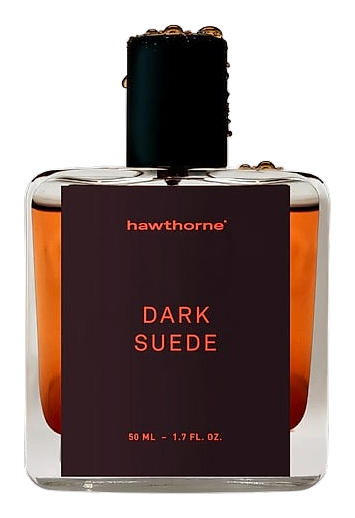
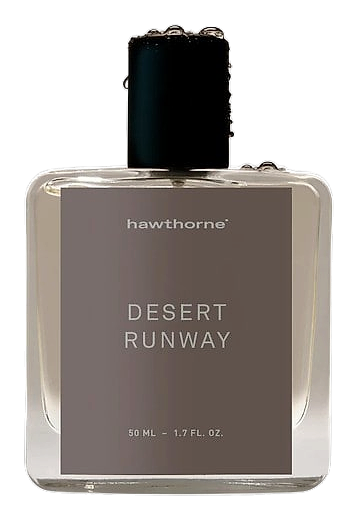
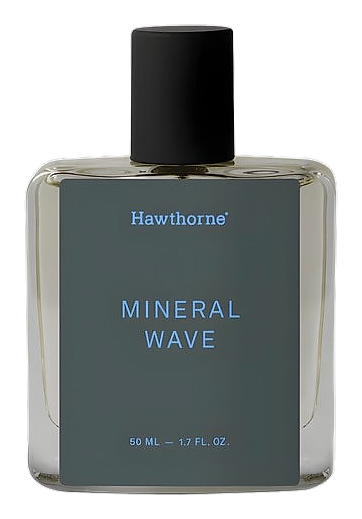
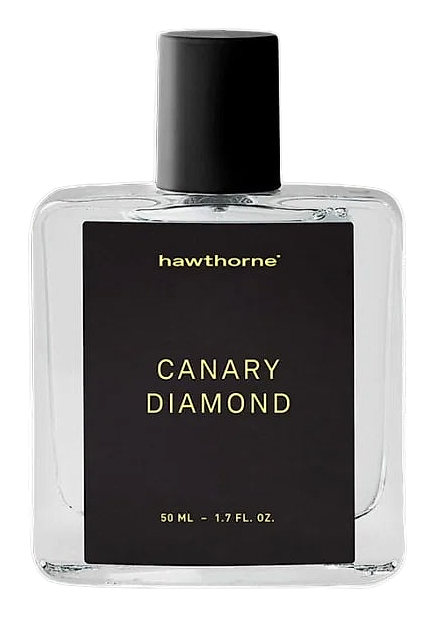
Phil Wong and Brian Jeong met as twelve-year-olds in high school, bonding over a shared habit of skipping class to shop at Stussy. Their friendship endured through different paths: Wong eventually became a designer for Hood By Air, the avant-garde streetwear label known for its boundary-pushing aesthetic and cult following. Jeong pursued business, eventually becoming Wong's commercial partner. When the two began discussing fragrance, they recognized a pattern in their own behavior and among their peers: men wanted to engage with scent but felt alienated by traditional channels. Department store counters felt performative. High-end boutiques felt inaccessible. Established brands offered little transparency about what drove their pricing. The partners identified a gap between what the market offered and what men actually wanted: a straightforward path to quality fragrance without the gatekeeping. Hawthorne launched in New York City with a quiz-first model that gathered data on lifestyle, environment, and personal preference before suggesting specific compositions. The approach borrowed from Wong's design sensibility, which prizes user experience and intentionality over excess. Early collections included Work and Play in 2016, establishing a dualistic brand language that would recur throughout their catalog. The brand's growth happened largely through word-of-mouth and editorial coverage rather than traditional advertising, reflecting the founders' preference for authenticity over visibility. By 2023, Hawthorne had expanded its range to include Desert Runway and Canary Diamond, signaling an expansion into more complex, atmospheric territory. The brand maintains its New York roots while shipping nationally. Hawthorne operates from a conviction that fragrance should function as a tool for self-expression rather than a status marker. The founders reject the traditional prestige model, where price and brand heritage serve as proxies for quality. Instead, they prioritize the relationship between scent and individual identity. Their quiz-based discovery system reflects this belief: by understanding where someone lives, how they present themselves, and what environments they navigate daily, Hawthorne claims to match fragrance to life rather than to luxury categories. The brand's naming conventions reinforce this approach. Compositions carry titles like Work, Play, Mineral Wave, and Dark Suede, suggesting contexts and moods rather than aspirational imagery. This naming strategy emerged from the founders' observation that men often struggle to articulate what they want from fragrance. Offering scenarios rather than notes reduces friction in the discovery process. Hawthorne's philosophy extends to their formulation approach. The brand emphasizes that their fragrances work with individual body chemistry rather than against it, a principle that informed their biometric tailoring research. Rather than projecting a fixed image onto the wearer, Hawthorne claims their scents adapt and evolve based on individual skin chemistry, ensuring each person experiences the composition uniquely. This approach reflects a broader design principle that prioritizes user agency over brand prescription.