
The Story
Why it exists.
The beginning
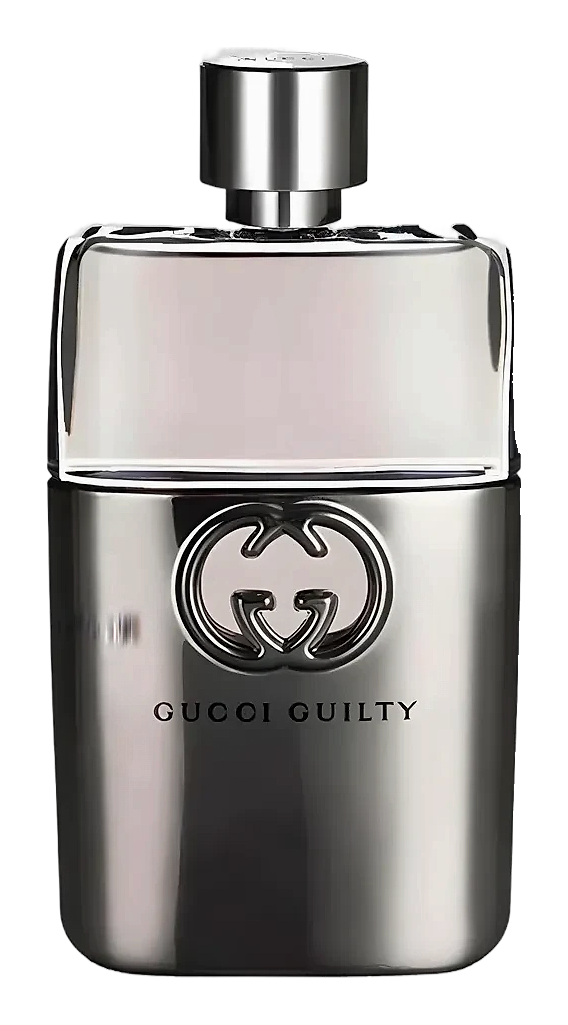
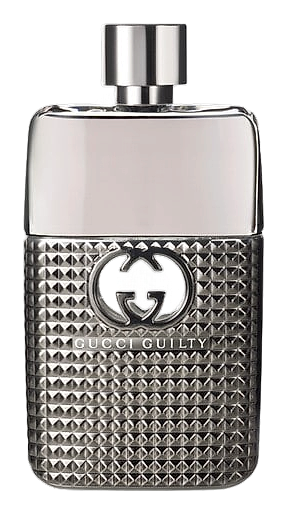
Gucci Guilty arrived in 2011 as the House's statement on modern seduction, and by 2013 the studs came. Not a new fragrance, the composition stayed untouched, but a visual language update that matched the House's fashion vocabulary of that era. Studded leather, bold hardware, a bottle that looked like it belonged on a belt as much as a shelf. Michel Almairac built the original structure: a study in contrasts that felt inherently Gucci, where clean aromatics met warm florals and a woody base that refused to fade quietly. This was fragrance as accessory, as statement, as part of an outfit rather than an afterthought.
What makes this particular arrangement work is the orange blossom sitting in the heart. White florals in men's fragrance walk a tightrope, too much and you're in soap territory, too little and they disappear entirely. Here, Almairac uses it as a bridge: it softens the lavender's natural sharpness without diluting it, and it gives the cedar something warm to meet when it arrives. The result is a fragrance that smells expensive without smelling precious. Patchouli does what patchouli does, it lingers, it deepens, it makes the base feel like it was designed to outlast the party that called for it.
The evolution
Lemon and lavender arrive together, but the lemon peels off first, leaving the lavender as the opening statement. Clean, almost effervescent. Thirty minutes in, the orange blossom pushes through, sweeter than expected, with a faint waxy quality that reads as floral without being feminine. The transition isn't dramatic. It's more like a conversation shifting tone. By the two-hour mark, cedar has taken over the foreground and patchouli has begun its slow build underneath. The drydown is where this fragrance earns its reputation: a warm, resinous woody base that stays close to the skin but refuses to disappear. Eight hours is not unusual. On fabric, it lingers into the next day.
Cultural impact
Gucci Guilty arrived at a moment when men's fragrance was recalibrating between traditional woody masculines and something warmer. The Studs edition didn't change the formula, it changed the presentation, adding studded hardware to the bottle that made the fragrance feel like part of an outfit rather than an afterthought. The original Guilty Pour Homme found its audience through department store counters and gift sets, reaching the kind of wearer who wanted something present without being aggressive.