The Story
Why it exists.
The beginning
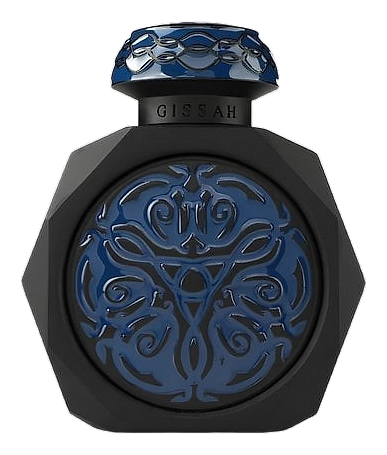
Black Opal arrived in 2021 from Gissah. The inspiration, drawn from the precious stone that has long captured the hearts of emperors, gives the composition its center of gravity. Gissah's perfumers built it around a single saffron note at the top, letting that fiery thread carry into a heart of caramel and frankincense, then grounding it in ambergris, cedarwood, and vanilla. The saffron arrives with an almost tactile heat, that dry, leathery quality that makes the spice feel less like an ingredient and more like a temperature. The caramel softens it without smothering it, adding a buttery, almost browned-sugar warmth that gives the composition something edible without ever tipping into gourmand territory.
What makes the composition work is the collision between saffron and caramel. Saffron is one of perfumery's most volatile spices, sharp, leathery, almost metallic when isolated. Caramel is its opposite: soft, lactonic, built from slow sugar transformation. Pairing them in the same composition is a structural gamble, because the two materials speak in completely different registers. The saffron pushes outward, aggressive and almost mineral, while the caramel pulls inward, rounded and dense.
The evolution
The first fifteen minutes are loud, almost confrontational. Saffron arrives like a struck match, that hot leathery scorch that some people love and others brace against. It doesn't whisper. It announces. Then the caramel shows up, and the announcement becomes a conversation. The sharpness dulls, the sweetness thickens, and frankincense begins to thread through both like smoke from a nearby fire. By the second hour, you're sitting inside the warmth rather than being hit by it. The ambergris starts surfacing around the third hour, giving the vanilla a salty, skin-like quality, less dessert than atmosphere. The cedarwood grounds the whole thing, woody and dry, stopping the sweetness from floating away. Six hours in, what's left on skin is a low hum of vanilla and ambergris, still warm, still present, but quieter.
Cultural impact
Black Opal finds its place in the broader conversation around contemporary saffron-forward compositions. Rather than relying on oud or rose as the central material, the fragrance stakes its identity on a single spice, giving it room to develop through caramel, frankincense, and a woody-amber base. This focus on saffron as the lead voice, rather than as a supporting note in a larger oriental structure, makes it a useful reference point for anyone interested in how that particular material can carry an entire composition.