The Story
Why it exists.
The beginning
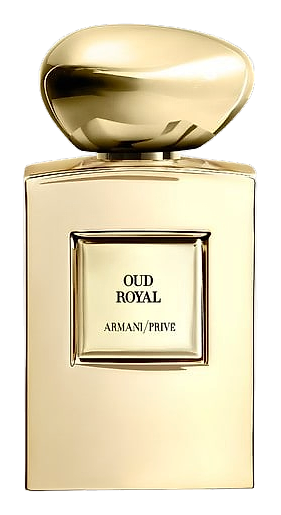
Armani Privé has always been the house's answer to a question nobody else was asking: what happens when you take the most powerful materials in perfumery and treat them with absolute restraint? Oud Royal Collector is that question, answered twice over. The collector designation isn't marketing, it's a promise. This bottle exists for the person who understood what they were buying before they sprayed it. Evelyne Boulanger built the composition around a single truth: oud is only as good as what surrounds it. The myrrh doesn't compete. The incense doesn't overwhelm. Everything sits exactly where it should, because someone with decades of experience decided it would.
What makes this work is the architecture. Oud carries weight, sometimes too much, sometimes a blunt force. Here, it's held in place by myrrh's balsamic warmth and the dry, almost papery smoke of incense. The amber doesn't sweeten so much as soften the edges. The spices read as warmth, not heat. It's a composition that trusts the wearer to understand what they're getting, no hand-holding, no apology for being what it is. That's rare in a limited edition. Most of them try too hard. This one already knows.
The evolution
The opening doesn't tease. Incense arrives immediately, dry, slightly ashy, the kind that makes you lean in rather than pull back. Within minutes, the oud asserts itself. Not aggressive. Present. Like a door that's been left open in a room you thought was empty. The myrrh softens the transition, bridging the smoke and the wood into something that breathes rather than sits. By the second hour, the drydown settles. Amber becomes the foreground. The oud retreats to a low, persistent warmth that stays close, intimate, deliberate, the kind of sillage that requires someone to be near you to notice. On fabric, it lasts longer. On skin, count on five hours before it becomes a memory you catch when you lift your wrist.
Cultural impact
Armani Privé Oud Royal Collector enters a long tradition of Arabian perfumery elevated by European luxury houses, a practice that intensified in the early 2000s when Western brands began acquiring oud attars and reverse-engineering the smoky-woody aesthetic for mass audiences. The Armani Privé line, launched in 2005, positioned itself as the house's ultra-luxury tier, competing with Chanel's Les Exclusifs and Dior's La Collection Privée. Oud as a material carries centuries of cultural weight in Middle Eastern contexts, used in mosques, weddings, and daily rituals as a sign of hospitality and status. By packaging it in a collector's bottle with a 2025 release date, Giorgio Armani signals that the fragrance market remains fluid, with Western tastes continuously reshaping what once was a distinctly regional material. The collector designation also speaks to how luxury fragrance has become investment-grade in some markets, where limited bottles appreciate rather than depreciate.