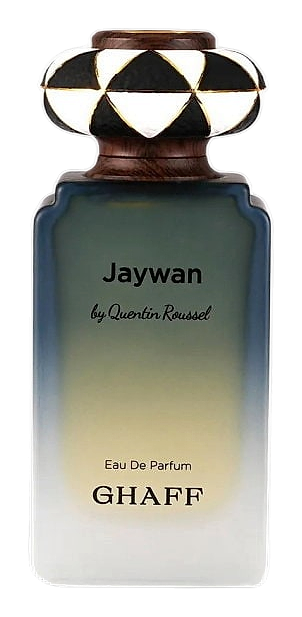
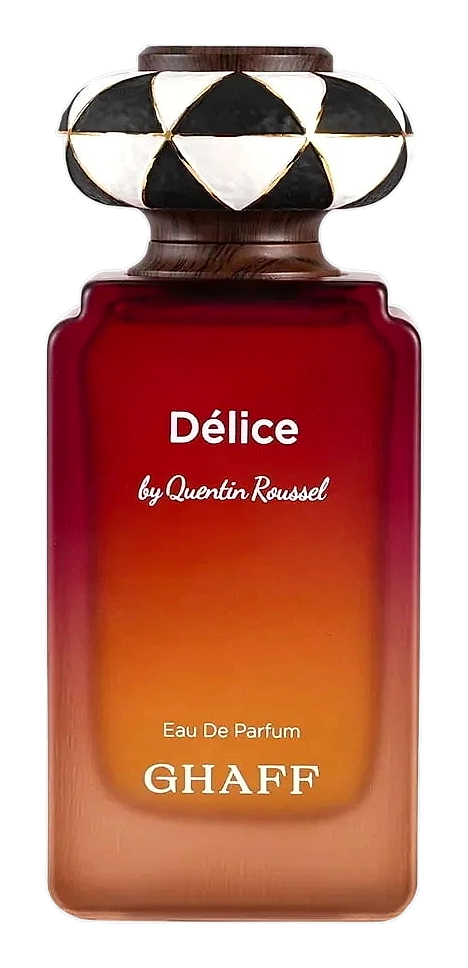
Heritage
A house, in its own words
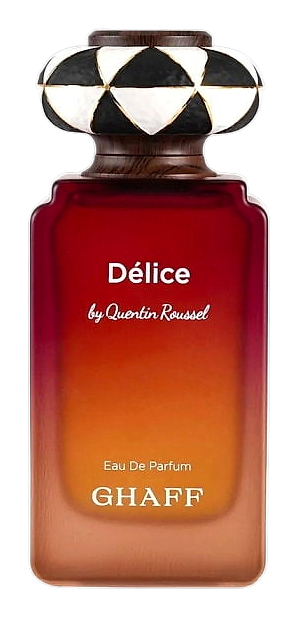
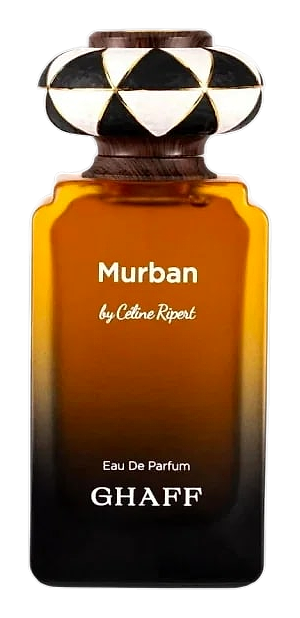
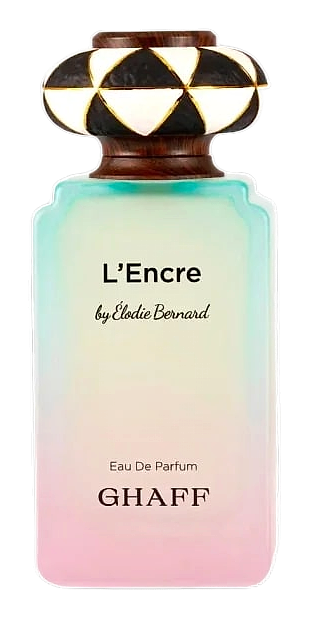
GHAFF was founded by Emirati entrepreneurs Dr. Bader Nasser Marzooq and Sultan Al Kokhardi with a singular ambition: to build a luxury Emirati fragrance house capable of standing beside the great perfume traditions of the world. Rather than borrow from established French or Gulf perfume codes, the founders anchored the project in a distinctly local symbol: the Ghaf tree, a drought-resistant species treasured across the Emirates as a mark of endurance and belonging. That arboreal metaphor runs quietly through the brand's identity, from naming conventions to the way collections are positioned as rooted heritage rather than seasonal novelty. The house introduced its debut fragrance collection with named editions including Murban, Délice, Jaywan, Rabdan, and L'Encre, signaling a deliberate strategy to launch as a full house rather than a single hero scent. Public coverage of the launch described GHAFF's positioning as a homegrown Emirati house built on craftsmanship and cultural pride. Early reception in regional fragrance circles emphasized the founders' intent to create a long-term house rather than a one-off project. The Ghaf tree itself, officially recognized as the national tree of the UAE, gives the brand both its name and a powerful founding myth. From the outset, the founders framed GHAFF as a cultural contribution, not merely a commercial venture. GHAFF's creative vision centers on translating Emirati identity into scent without falling into pastiche. The founders speak of heritage, artistry, and dreams as the pillars of the house, language that signals an intention to operate at the intersection of luxury, storytelling, and national identity. Where many regional launches lean heavily on oud as a shorthand for Gulf luxury, GHAFF's debut line covers a broader spectrum, including sweeter florals, resinous orientals, and what the brand describes as more contemplative, ink-like compositions. The Ghaf tree itself encodes this philosophy: it survives where little else can, it gives shade generously, and it carries deep symbolic weight in Emirati poetry and folklore. That duality, resilience and generosity, shapes the way the house talks about its audience, framing wearers as part of a legacy rather than consumers of a trend. There is also a clear ambition to position GHAFF within a global luxury conversation rather than a purely regional one, evident in the multi-language presentation and international press outreach. Distinctively, the house treats Emirati entrepreneurship as its origin story rather than an afterthought.