
The Story
Why it exists.
The beginning
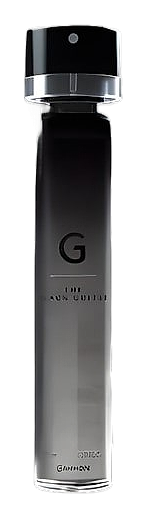
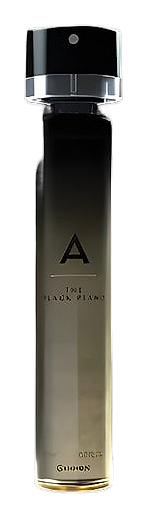
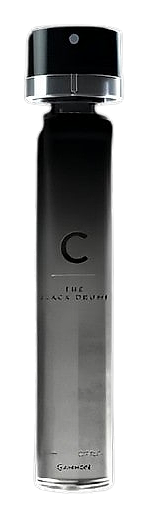
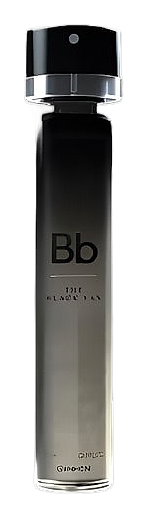
The Black Sax lands inside Gammon's numbered Black Notes system, a series where everyday objects and instruments become the conceptual brief for a bottle. The "Bb" in the name gestures toward saxophone, threading the warm, woody resonance of an instrument into wearable form. The note list and thematic frame orbit the saxophone: its tonal weight, the residual warmth of a room where someone just played. The Black Notes line uses restraint as its method. Rather than working in traditional olfactive families, each entry is built around a sensory referent, a single concept pulled taut and translated into scent. What's on offer here is a concentrated idea, leaning fully into its chosen image instead of diluting it across broader conventions.
What makes the composition interesting is the restraint. The note list reads tight: Leather, Vetiver, Cognac, Cedar Leaves. No sugar. No vanilla. No crowd-pleasing sweetness to soften the leather or round the cognac. That economy matters. The fragrance leans into material textures rather than flavor, and it lets cedar leaf carry the aromatic architecture where a louder composition might reach for spice or fruit. Cognac here is functioning as a warm woody booster, not a boozy note. It's the suggestion of a glass poured hours ago, the wood and alcohol long since integrated.
The evolution
Cedar leaf opens first and hardest, green and sharp, almost resinous, with a bite that suggests freshly cut wood rather than furniture polish. Within the first 15 minutes the cognac warmth rises underneath, and the leather accord starts pulling weight, not a stiff new-jacket leather but something that's been handled, broken in, already carrying the trace of a palm. The vetiver comes in quietly through the middle phase, adding a dry earthy thread that keeps the composition from collapsing into pure warmth. After two hours the cedar leaf softens into a background hum, and what lingers is the leather-cognac-vetiver trio, a drydown that reads closer to skin than to fabric. The fragrance sits close, moderate in projection, and what's left on a sweater the next morning is a faint leather-cedar ghost. It doesn't shout. It holds shape through a normal evening and folds quietly afterward.
Cultural impact
The Black Sax earns its reputation through what it withholds. Where many leather fragrances reach for sweetness, sugar, or boozy excess to soften their edges, this composition stays dry and material. The leather accord reads as the surface of an instrument case rather than a fashion statement, and the cognac note carries warmth without tipping into cocktail territory. That restraint is what makes it stick in memory. Among wearers who prefer texture over flavor in their scent, the fragrance holds a quiet kind of loyalty. It doesn't perform for attention.