The Story
Why it exists.
The beginning
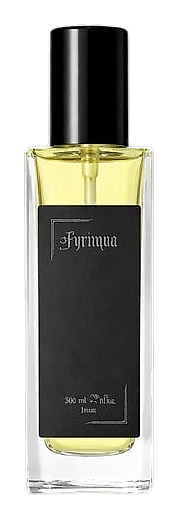
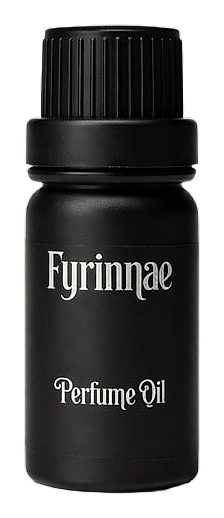
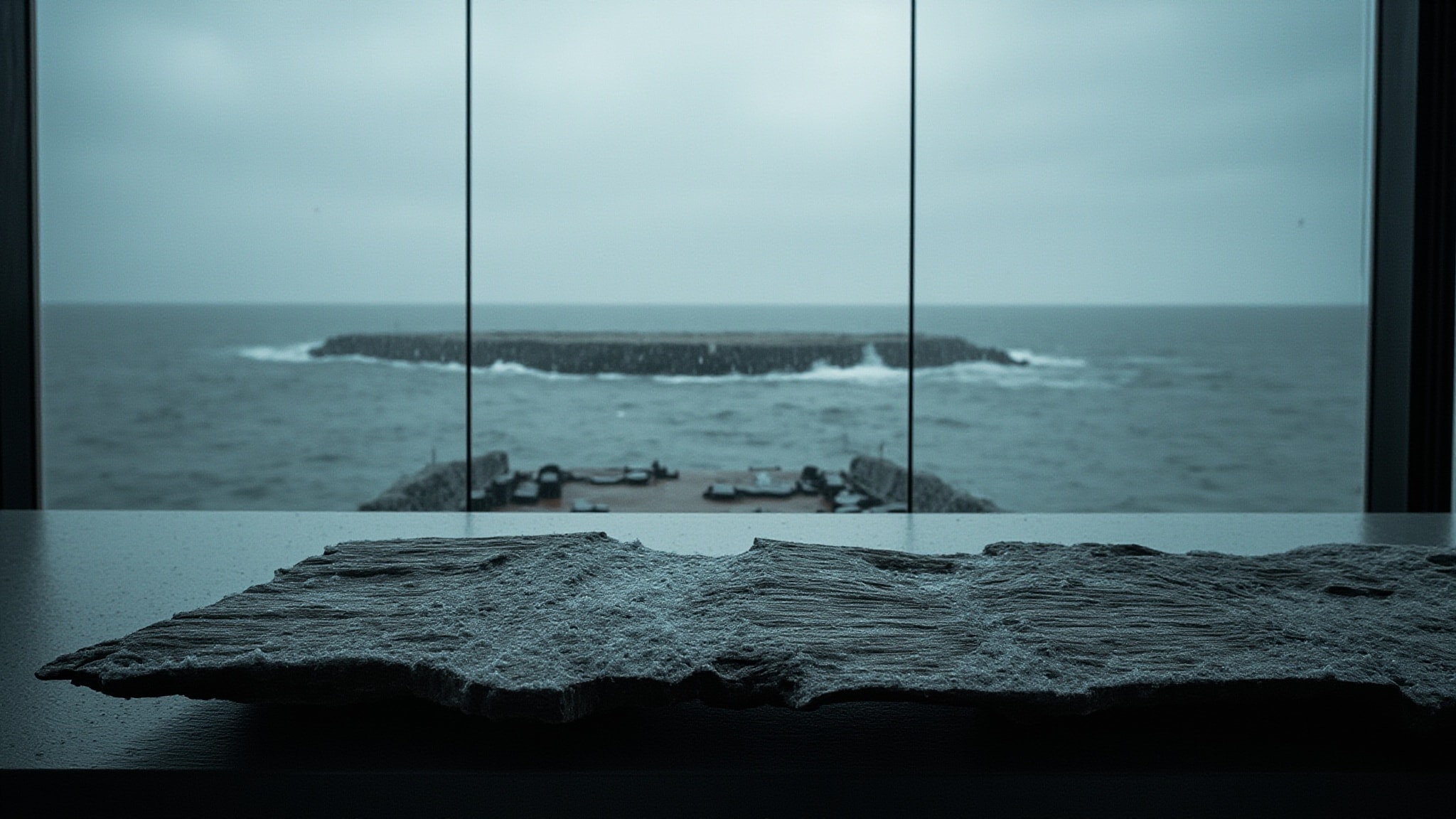
Bering Sea launched in 2017 from Fyrinnae. The name points to a real body of water, the stretch of cold ocean between Alaska and Russia, but the scent description from the brand keeps the imagery grounded in sensory language rather than postcard romance. The official scent description, partially preserved from the original release, describes icy ocean and stormy skies with briny water washing over weathered wood. That phrasing, truncated in archived sources but beginning with 'Frigid…', sets the tone for a composition built around cold marine atmosphere and the texture of timber exposed to salt and weather. The listed notes are Sea breeze, Seawater, and Teakwood, a tight trio that leans into atmosphere over complexity.
Bering Sea takes a different approach from many aquatics, though the comparison is one of impression rather than a direct critique of peer houses. The sea breeze and seawater lead the composition, supported by teakwood, a note that carries real grain and dryness rather than a smooth, synthetic driftwood impression. That wood element prevents the marine accord from collapsing into something overly clean or sweet. The salt feels tempered by the teakwood, giving it weight instead of letting it evaporate into something thin and forgettable.
The evolution
The opening of Bering Sea is the loudest part of the wear, briny and immediate, like cold salt hitting skin with a sharp, almost metallic edge. The sea breeze note dominates the first stretch, and the seawater underneath gives it body. As the initial marine blast begins to settle, the teakwood makes its presence felt, and the composition shifts from purely aquatic into something denser and more grounded. The middle phase is the quietest part, a held breath between the oceanic opening and the woody finish. One reviewer compared it to Salish Sea's brinier, more photorealistic cousin, a phrasing that captures the colder, more literal character of Bering Sea.
Cultural impact
Bering Sea sits within Fyrinnae's catalog alongside the brand's own Salish Sea, and wearers frequently compare the two. The recurring comparison frames Bering Sea as the colder, woodier, more austere sibling, a phrasing that captures how the addition of teakwood shifts the character away from purely marine atmosphere and into something with more weight and darker grain. It is a marine scent with actual weather in it, less about surf and sunshine and more about cold air, salt, and timber holding its shape against the elements.