
The Story
Why it exists.
The beginning
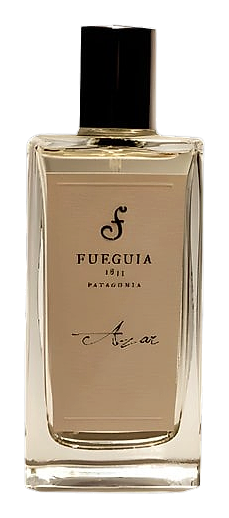
Azar began as a question about what simplicity smells like when it's taken seriously. Not minimalism as aesthetic trend, but minimalism as scientific rigor, what happens when you trust three ingredients to do the work of thirty? The answer arrived built around the citrus family but refusing its usual theatrics. Bergamot opens, neroli deepens, orange closes. No supporting cast. The scent unfolds with quiet confidence, each note given room to exist fully before the next arrives. Three notes, one Argentine house, a composition that bets restraint could outlast excess. There's something almost confrontational about the simplicity, a challenge to the industry standard of layered complexity that most houses default to.
The structural logic here is deceptive. Bergamot gives the opening its characteristic bitter-lemon lift, the kind that makes you inhale twice. Neroli provides the transition: green, waxy, slightly animalic in a way that reads as warmth rather than dirt. The orange in the base isn't the sharp zest of top-note citrus; it's the sweet, almost caramelized fruit that emerges as the blossom fades. The arc mirrors a single afternoon of light, from sharp morning clarity to golden dusk. No synthetic amplification, the materials do what materials do, and the composition trusts them to do it alone.
The evolution
Bergamot arrives clean and stays honest for the first hour, that distinctive bitter-lemon brightness that doesn't pretend to be anything other than citrus. There's no waiting game here. The neroli announces itself gradually, waxy and warm, transforming the initial sharpness into something rounder. By the second hour the composition has settled into its middle register, a softness that holds as the floral elements take their turn. The orange doesn't compete, it cushions. Closes. On fabric, this fragrance outlasts itself, a ghost of blossom and sweet citrus that stays intimate and close. Not a room-filler. A skin-marker. What you notice the next morning isn't the fragrance, it's the absence of anything else that smelled this clean. The wear is subtle, persistent, a quiet presence rather than a declaration.
Cultural impact
Azar occupies a specific corner of niche perfumery: the composition for those seeking something honest in a category often accused of overstatement. It functions as a reference point for a certain type of wearability: the scent you reach for when you want to smell like yourself, not like a fragrance. The composition asks a question many houses weren't addressing, what happens when you remove everything unnecessary? Among those who've encountered it, Azar works as a kind of test for what you value in perfume. It strips away the expected and leaves something elemental, forcing a decision about whether simplicity itself can be enough.