The Story
Why it exists.
The beginning
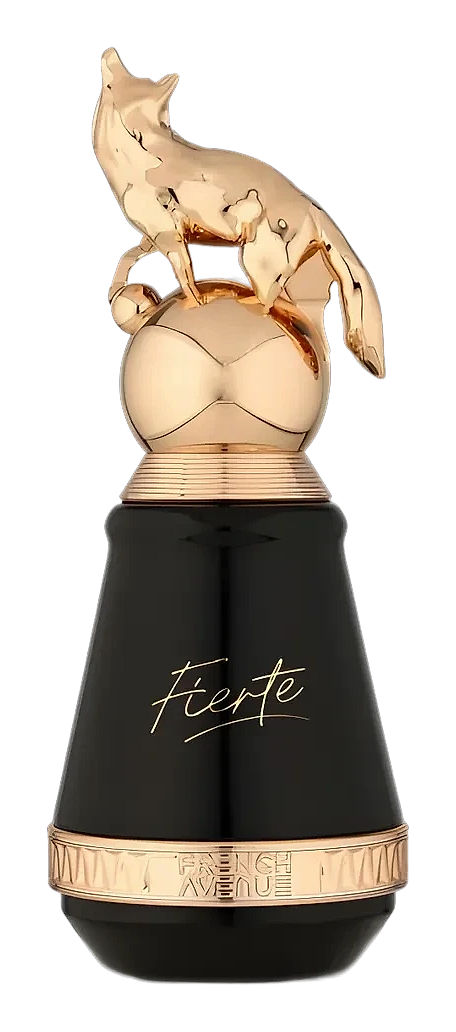
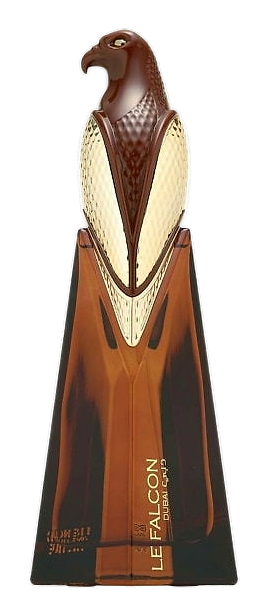
Le Falcon Dubai arrived in 2026 from French Avenue, a contemporary house whose fragrance is being marketed by Fragrance World Trading LLC. This is a fragrance designed for projection and presence, oriented toward the resinous, spicy end of the oriental spectrum rather than the bright or the gourmand. It reads as a study in controlled intensity, built to be smelled across a room rather than discovered up close. The composition leans into the rich, smoky territory that defines much of modern oriental perfumery, prioritizing sillage and staying power over subtlety, and it does so with a confidence that borders on architectural.
What makes Le Falcon Dubai distinctive is the way it stacks its materials. Akigalawood, listed among the base notes, contributes to a woody-amber foundation that gives the composition its dry, mineral undertone, a clean edge that keeps what could otherwise read as heavy incense from collapsing into sweetness. Mahonial sits in the heart, working alongside the natural florals and the saffron to shape the composition's mid-stage behavior. Mystikal rounds out the base with a musky, woody element that anchors the drydown and gives it density.
The evolution
The opening belongs to saffron and pink pepper, the kind of introduction that announces itself before you've capped the bottle. Sharp, almost electric, with a metallic heat that reads like crushed spice on hot skin. Saffron dominates early, pushing its leathery, slightly bitter character to the surface while pink pepper adds a dry lift that keeps the top from feeling flat. Artemisia arrives in the early heart, bringing a dry, herbal bitterness that cools the opening without softening it, and the incense begins its slow climb toward the foreground. Mahonial threads through the composition during this transition, shaping the way the saffron and the smoke interact, keeping the spices from clumping into a single dense note.
Cultural impact
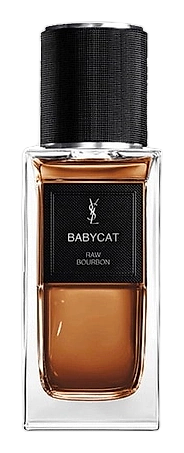
Wearers have drawn direct parallels to YSL's Babycat, noting Le Falcon Dubai reads as a more grown-up sibling: less sweet, more resinous, with the spices more articulated and the smoke drier. The comparison speaks to the kind of wearer who values the smoky, spicy register that defines much of contemporary Middle Eastern-inspired scent, someone who approaches fragrance as a deliberate statement rather than a background detail.