The Story
Why it exists.
The beginning
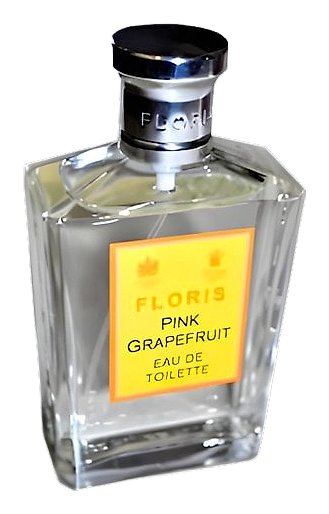
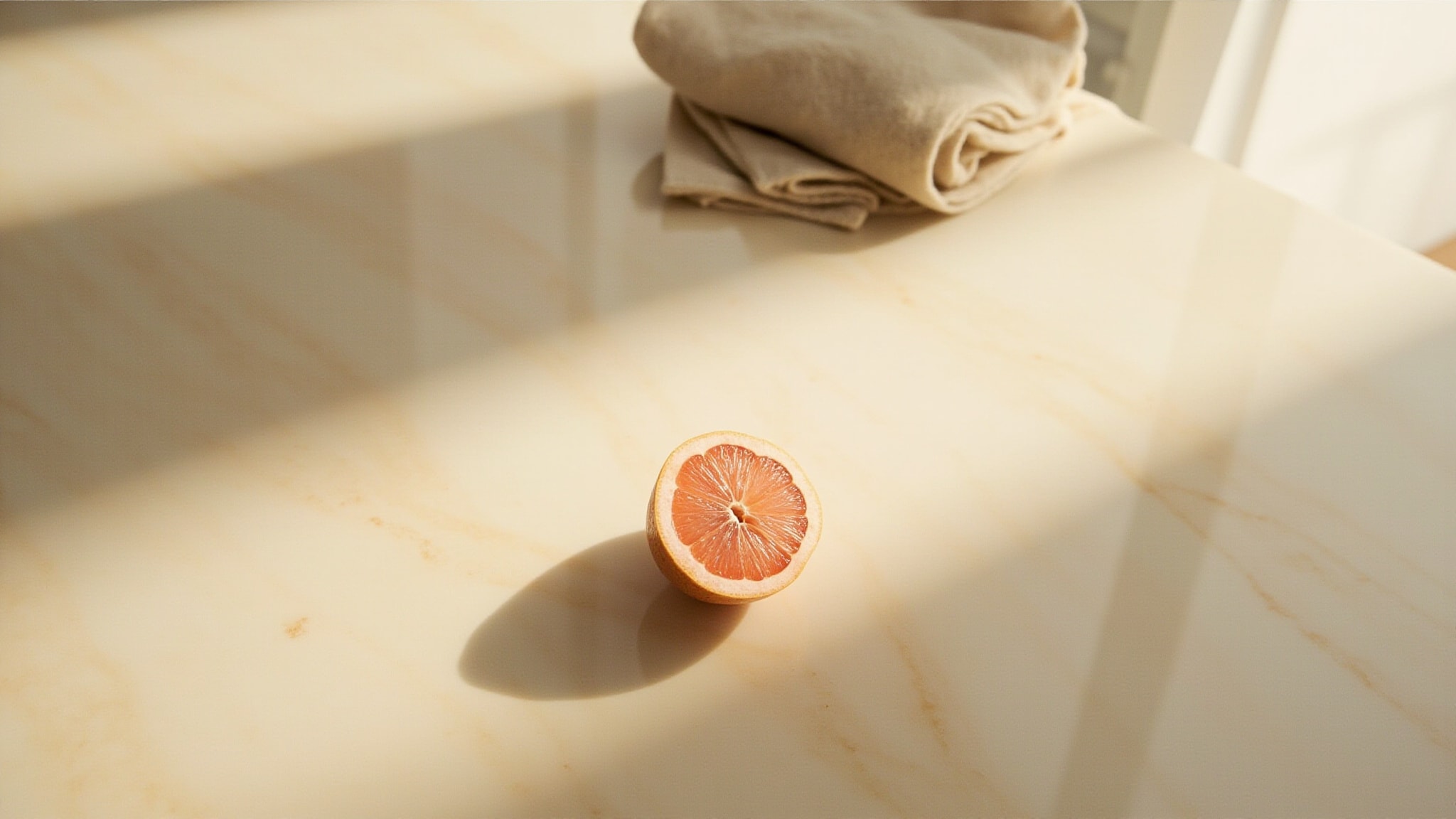
Pink Grapefruit arrived in 2004 with a single conceit: what if a fragrance wore only what it needed? Floris had spent nearly three centuries building formulas of increasing intricacy. Pink Grapefruit asked the opposite question. The brief was grapefruit, specifically pink grapefruit, riper and juicier than its white counterpart, and almost nothing else. Sandalwood appeared not as decoration but as a quiet counterweight, keeping the citrus from evaporating into air. No baggage, no layered concept, no narrative scaffolding. Just the fruit and its warmth, bottled.
What makes the composition unusual is what it leaves out. Most citrus fragrances from this era leaned on aquatics, white musks, or green florals to round out the structure. Floris chose sandalwood instead, a material associated with depth and warmth in classical perfumery, and used it sparingly enough that the fragrance stays firmly in the fresh category. The grapefruit blossom note functions as a bridge rather than a feature, softening the sharp citrus as it opens without introducing a second competing floral identity. The result is a fragrance that knows exactly what it is: uncomplicated, confident, and honest about its limits.
The evolution
The opening hits immediately. Pink grapefruit, rind and juice together, the bitter edge still intact so it reads as real rather than synthetic. This phase is brief, thirty minutes, maybe forty-five on cooler skin, and entirely consumed by citrus. No preamble, no negotiation. The grapefruit blossom arrives as the fruit begins to quiet, not as a separate floral moment but as a softening, a dimming of the brightness toward something gentler. The sandalwood arrives last and stays longest, warm and faintly creamy on dry skin, the smell of something that was never trying to be complicated. On fabric, it fades to almost nothing by evening. On skin, it holds for six to eight hours in the right conditions, impressive for a composition this lean.
Cultural impact
Pink Grapefruit occupies an unusual position in Floris's catalog, a heritage house releasing a deliberately uncomplicated fragrance at a moment when the market was moving toward complexity and layering. Two decades later, it reads as prescient: the clean-beauty movement, the rise of 'skin scents,' the preference for low sillage and honest materials all align with what Floris delivered in 2004 without trying to. The fragrance doesn't dominate a room. It doesn't announce itself. It is the choice of someone who already knows what they like and sees no reason to complicate it.