The Story
Why it exists.
The beginning
Mesmer takes its name from Franz Friedrich Anton Mesmer, the 18th-century physician whose theory of animal magnetism proposed that invisible energy flows between all living things. He attracted Mozart and Marie Antoinette to his salon before Benjamin Franklin, commissioned by a jealous King Louis XVI, dismissed him as a charlatan. Mesmer died in exile, but his ideas found new life in the spiritualist movement, where practitioners performed hypnosis for paying audiences across America and the UK. Mesmer the fragrance, released in 2020, channels that theatrical seduction. The pull. The trance. The moment a stranger's energy becomes your own.
Bree Elliott built this around the tension between cool and warm, the refreshing bite of ocean air against the depth of dark resins. The ambergris doesn't smell like the beach. It smells like the moment after, when salt still clings to skin and the tide has pulled back to reveal wet stone. Combined with refined vetiver and the dark, luxurious oudh, this is a fragrance that refuses to be one thing. Earthy yet aromatic. Fresh yet smoky. It's the paradox that makes it work.
The evolution
The opening hits cold. Mineral. Almost aquatic in its crispness, ambergris asserting itself immediately, not the sweet marine kind but the dark, waxy, animalic version. Frankincense follows within minutes, cool and resinous, smoothing the initial sharpness. The oud announces itself around the 20-minute mark with a slight metallic edge, dark and smoky without aggression. Then the heart takes over: patchouli and oud intertwined, the frankincense and myrrh creating a smoky incense effect that feels almost ritualistic. The cool top notes don't disappear, they linger, creating a refreshing counterpoint to the resinous depths beneath. As it settles, vetiver emerges, refined, slightly salty, almost green. The drydown is quiet but present, earthy patchouli and vetiver with a ghost of smoky ambergris. It wears close to the skin but stays for hours.
Cultural impact
Mesmer found its audience among those seeking something genuinely unconventional, wearers who describe it as fresh yet musty, cool yet warm, mineral yet resinous. Community reviews note its unusual balance: dark patchouli and leather-strong oud with incense, but surprisingly approachable. Comparisons to higher-end niche fragrances appear in discussions, suggesting it holds its own among costlier options. The paradox at its core, the cool freshness against the warm depth, is what keeps people returning.
The House
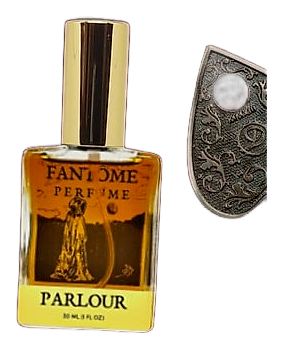
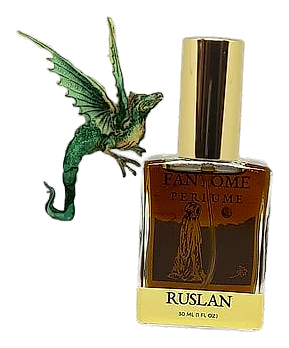
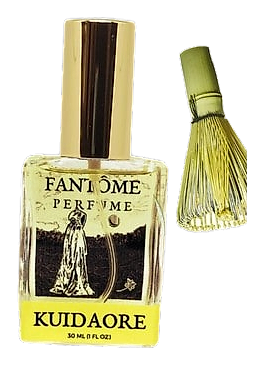
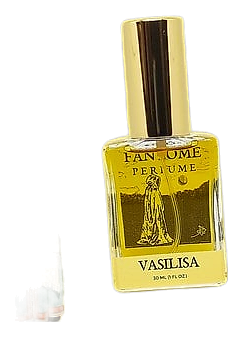
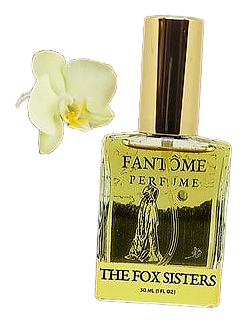
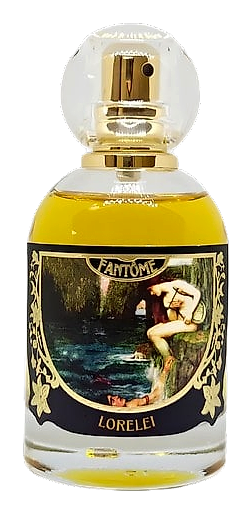
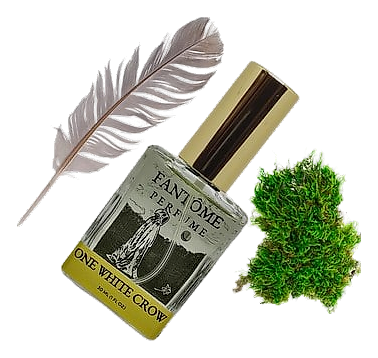
FantômeFantôme is a small independent fragrance house founded in 2017 by Bree and Megan Elliott, a married queer couple operating out of the Pacific Northwest. The brand handcrafts artisan perfumes, each built around narrative concepts rather than traditional fragrance classifications. The name derives from the French word for phantom or ghost, reflecting the brand's interest in evoking otherworldly experiences through scent. Fantôme's catalog spans diverse cultural inspirations, from Russian winter folklore to Japanese bamboo forests, each fragrance designed to transport the wearer into a distinct sensory world. The founders handle every aspect of production, from formulation to fulfillment, maintaining a direct-to-consumer model that keeps the brand intimate and responsive to its community. Their approach has cultivated a dedicated following among indie fragrance enthusiasts seeking unconventional, story-driven compositions over mainstream commercial options.
The Creator
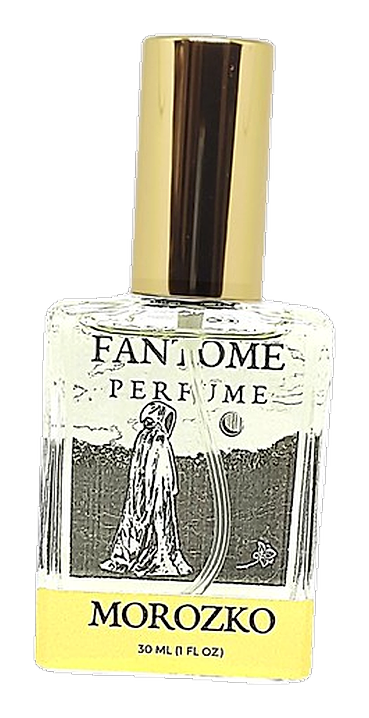
Bree ElliottMorozko hints at Bree's inclination toward cooler, atmospheric profiles. Her work appears to favor crispness over warmth, with an apparent comfort using materials that evoke winter air, evergreen needles, and the sharp clarity of cold.