
The Story
Why it exists.
The beginning
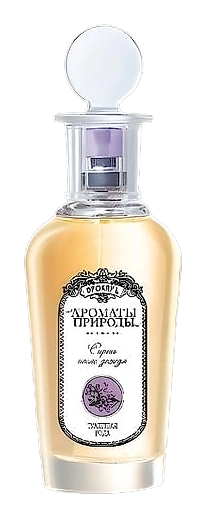
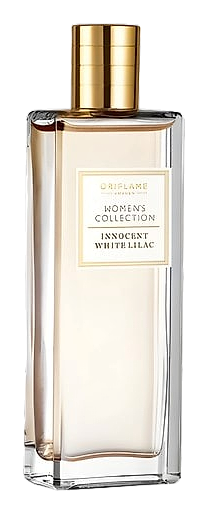
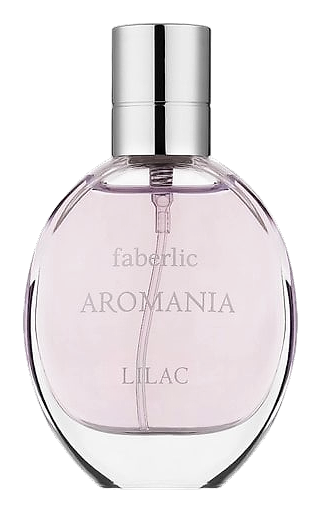
Evelyne Boulanger built this around a single material: lilac. Not lilac as a supporting actor in a floral bouquet, but lilac as the entire cast. Boulanger's task was to capture the real flower, not the idea of the flower. The fragrance opens with the literal impression of lilac in its most unadorned state, that immediate burst of sweetness that hits when you lean close to the bush in full bloom. Boulanger worked to preserve the flower's natural character, its slight powderiness, its green undertones, and that particular softness that makes lilac instantly recognizable to anyone who has encountered it growing in gardens or parks during the spring months. The result is a fragrance that stays true to the flower's actual scent profile rather than the perfumer's interpretation of it.
Lilac doesn't lend itself to simple extraction methods, so perfumers typically compose its scent using other aromatic materials. Boulanger's approach here is closer to the living flower: a green, slightly bitter freshness that reads as stems and leaves rather than petals. The result smells like the air around the bush, not like the perfume counter version. There's a crispness to the opening that feels almost dewy, as if the morning mist is still clinging to the blossoms.
The evolution
The opening arrives cool and green, like biting into a stem. Lilac's signature softness follows almost immediately, that slightly powdery, almost medicinal sweetness that exists in real flowers but gets lost in synthetic reconstructions. There's no dramatic transition. The heart is essentially the same note, settling closer to skin, losing some of its initial brightness. The drydown is brief: whatever base anchors the EDT, it steps back quickly. On fabric it lingers longer than on skin, a ghost of green and flower that fades gradually over time. The fragrance maintains its character throughout most of its wear, with the green freshness remaining present even as the softer floral notes take over. The initial burst settles into something more intimate, hugging close to the skin rather than projecting outward.
Cultural impact
The Aromania line offers something different from niche luxury and mass-market throwaway fragrances. These are honest everyday scents, straightforward interpretations of familiar notes without pretense or elaborate positioning. Lilac fits squarely into this approach, a bloom that most people recognize from their own experiences rather than from marketing descriptions. The fragrance doesn't reach for prestige or exclusivity. Instead, it delivers the actual scent of lilac, the kind of smell you might encounter walking past a garden in spring.