
    Home/Brands/F.Prochaska

    F.Prochaska

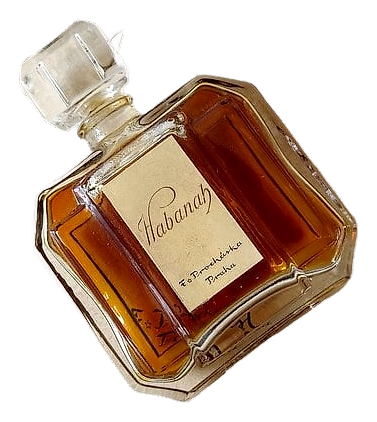
    F. Prochaska stands as one of Central Europe's most storied fragrance houses, born in 1847 Prague and flourishing for over a century as a master of Bohemian perfumery. The house carved its niche with an emphasis on luminous florals and crisp citrus compositions, producing signature scents that defined an era of Central European elegance. Though the house has faded from contemporary production, its legacy endures through landmark creations like the aldehydic Mon amour and the opulent leathered Habanah.

    AustriaEst. 1847
    1
    Fragrances
    Shop the collection
    SignatureHabanah
    Habanah
    Collection
    1
    Fragrances and counting
    Heritage
    1847
    Founded in Austria

    Most loved

    Bestsellers from F.Prochaska

    Habanah by F.Prochaska
    F.Prochaska
    Habanah
    Compare prices
    Coming soonMon amour by F.Prochaska
    F.Prochaska
    Mon amour
    Coming soon

    Fresh in

    New from the house

    Habanah by F.Prochaska
    F.Prochaska
    Habanah
    Compare prices
    Coming soonMon amour by F.Prochaska
    F.Prochaska
    Mon amour
    Coming soon

    All F.Prochaska fragrances

    1 total

    1

    Heritage

    A house, in its own words

    Franz Prochaska established his perfume and soap house in Prague in 1847, positioning his business among the most respected fragrance manufacturers in Bohemia. The shop quickly distinguished itself as one of the few establishments in the region that produced both finished perfumes and the raw aromatic materials that comprised them, including essential oils. This vertical integration set Prochaska apart in an era when most perfumers relied on external suppliers for their raw materials. The house developed particular expertise in floral and citrus compositions, creating signature collections that resonated with Central European clientele. Among its most notable lines stood Diosma and Ariane, which showcased the house's botanical sophistication. As the 19th century progressed, Prochaska earned recognition as a premier Bohemian perfumery, a distinction that extended beyond local borders. The company eventually relocated its operations to Vienna, Austria, where it continued to thrive and expand its reach across the Austro-Hungarian empire. The house maintained its prominence through the turbulent first half of the 20th century, releasing Mon amour in 1915 and Habanah in 1947, demonstrating remarkable longevity in a competitive market. F. Prochaska operated with a philosophy rooted in botanical authenticity and regional identity. Rather than chasing French trends, the house drew inspiration from the gardens, meadows, and citrus groves of Central Europe, translating these landscapes into wearable compositions. The house believed that quality fragrance should emerge from genuine materials rather than synthetic approximations, a conviction reflected in their vertical production model. Their approach to perfume design prioritized clarity and natural harmony over dramatic effect, creating scents that felt refined rather than overpowering. This measured aesthetic appealed to an educated clientele seeking sophistication without ostentation. The Prochaska approach also valued tradition and continuity, maintaining consistent quality standards across decades rather than chasing novelty with each passing season.

    1847
    Franz Prochaska establishes his perfume and soap house in Prague, Bohemia
    1870
    House develops signature collections including Diosma and Ariane
    1915
    Launch of Mon amour, a floral aldehyde fragrance for women
    1947
    Launch of Habanah, a leather fragrance featuring bergamot, jasmine, and tobacco notes
    1950
    House operations continue in Vienna following relocation from Prague

    Did you know?

    Interesting facts

    01

    F. Prochaska was among the few 19th-century perfumers who produced their own essential oils rather than purchasing from external suppliers

    02

    The house specialized in both perfumes and aromatic soaps, a common but often overlooked combination in historical perfumery

    03

    Mon amour arrived in the same year as Chanel No.5, both reflecting the aldehydic trend that would define 1920s perfumery

    04

    The Diosma collection referenced a South African flowering plant, demonstrating the house's engagement with exotic botanicals