The Story
Why it exists.
The beginning
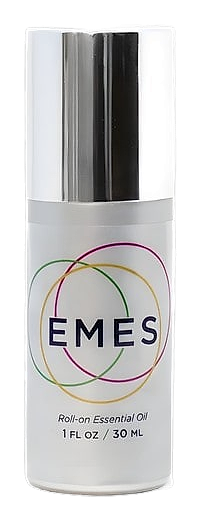
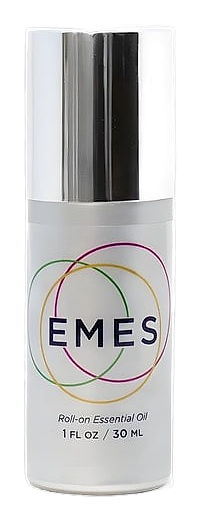
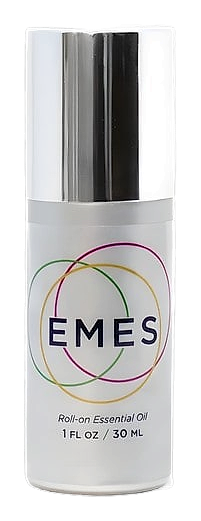
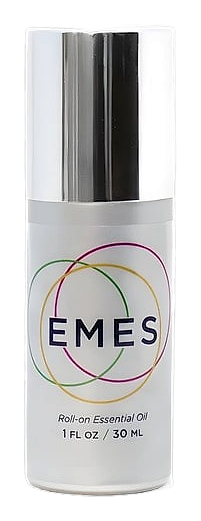
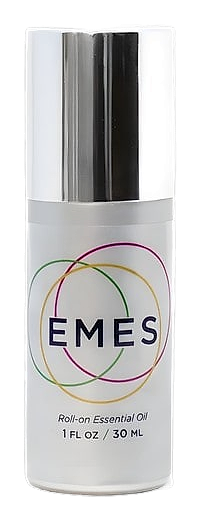
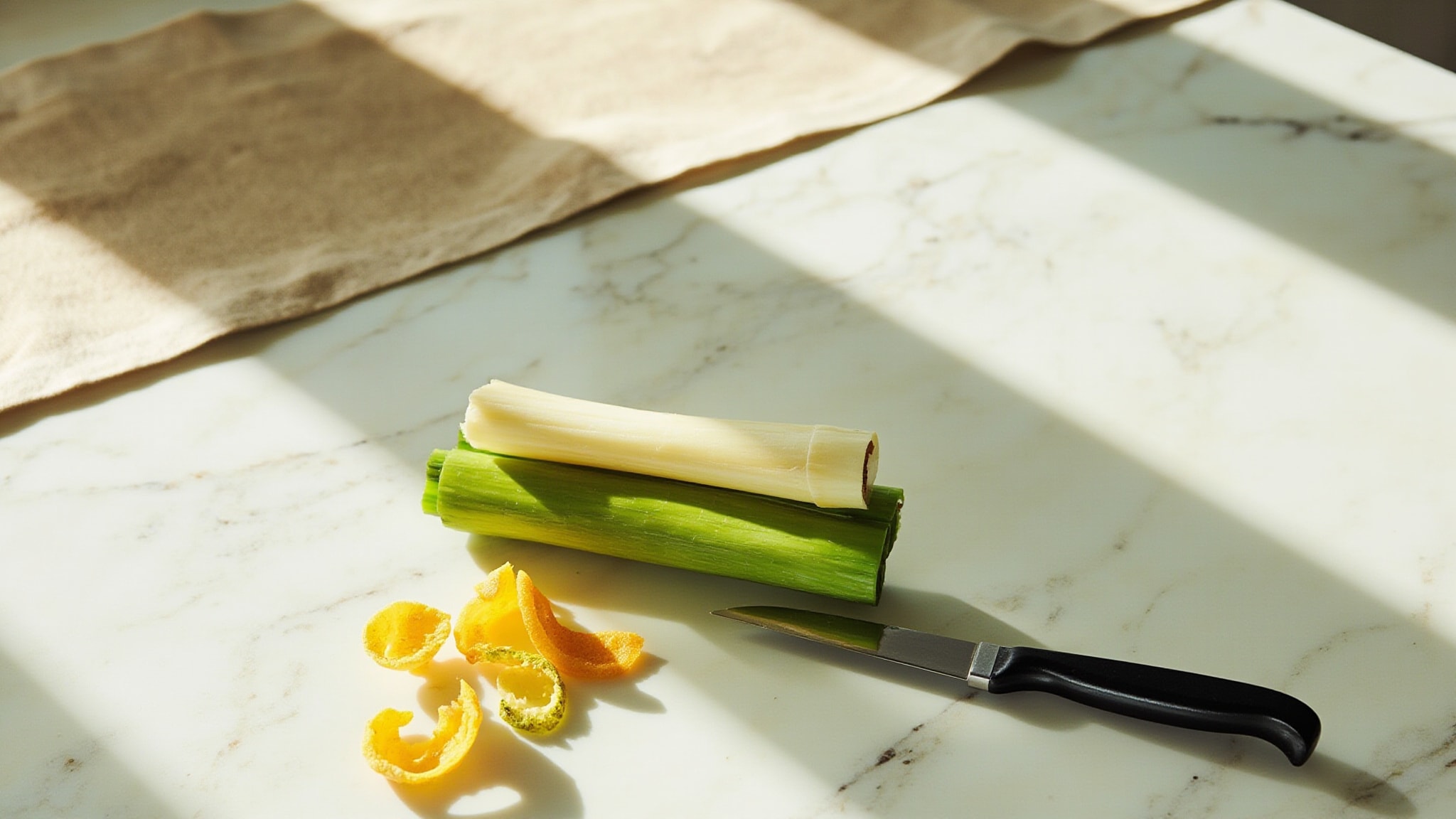
Sugar Cane arrived in EMES's catalog in 2017. Its name gives the composition its center of gravity: cane sweetness, sharpened with citrus and lifted by tropical fruit. Sicilian Bergamot, Lemon zest, Mandarin Orange, and Yuzu establish a crisp fruit impression, while the listed tropical notes lend a soft floral and pulpy dimension. Nothing about the available record names a perfumer or a specific creative brief, so the reliable story lives in the notes themselves. The composition moves between fragrant peel, bright citrus, delicate blossom, and cane sweetness, with each group changing the texture of the others as the scent wears on.
The interesting part is the collision. Bergamot and lemon bring clean, sparkling edges, while yuzu and mandarin keep the citrus vivid. Litchi adds a soft tropical bloom, and Lychee Blossom gives the fruit a floral lift. Sugar Cane then supplies the sweet thread that makes the composition feel edible without becoming heavy. This is a recognizable gourmand language, shaped by several distinct notes rather than one dominant impression. It is fruit, peel, and sweetness in the same breath, with the citrus lending clarity as the softer notes develop.
The evolution
Sugar Cane presents a layered fruit profile in which clean, tart, tropical, floral, and sweet elements remain in active conversation. Bergamot, lemon zest, mandarin, and yuzu lend definition to the composition, creating a polished citrus frame around the fruit notes. Litchi and lychee blossom contribute rounded softness, tempering the sharper profile with a delicate floral quality. Sugar Cane connects these notes through its sweet impression, though the combination remains lighter and more fruit-forward than heavy. As the fragrance wears, its different facets can seem to trade emphasis: citrus gives the structure clarity, tropical fruit adds volume, and blossom introduces an airy floral accent.
Cultural impact
Sugar Cane translates the familiar idea of cane sweetness into a fragrance centered on citrus and tropical fruit. Its appeal comes from the contrast between bright, tart notes and softer fruit-and-flower impressions, followed by a distinct sweet thread. The composition offers a sensory way to explore sweetness through peel, pulp, blossom, and cane rather than a single literal image. Its citrus structure gives the tropical notes definition, while the floral and fruit facets keep the sweetness rounded and nuanced.