
The Story
Why it exists.
The beginning
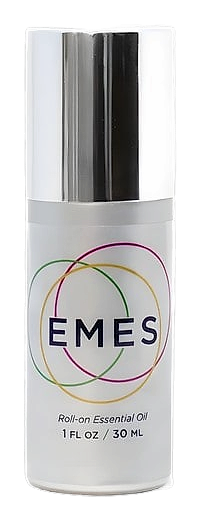
Sugar Absolut launched in 2017, arriving within EMES' clear line of sweet, fruity and gourmand fragrances. Its idea is immediately legible: sugar treated as a skin scent rather than a straight bakery display. The documented notes point to a dessert built around texture, with Madagascar Vanilla, Frosting [Glacé], Almond, Bourbon Vanilla and Sugar Icing. There is no verified perfumer credit, origin story or manufacturing detail to add, so the composition speaks for itself. It is a fragrance shaped by familiar pleasures and a little visual drama, the kind of sweetness that feels more deliberate than casual.
The combination works because it makes sugar feel less airy and more tactile. Madagascar Vanilla gives the sweet center a rounded, woody depth, while Almond introduces a nutty warmth that keeps the frosting from feeling one-note. Sugar Icing and Frosting [Glacé] bring the glossy, powdered surface; the listed main accords of vanilla, sweet, almond, powdery, nutty and fruity show a composition built around taste memory and skin contact.
The evolution
On skin, Sugar Absolut begins with a bright impression of icing and frosting, supported by the sweet almond note. The first minutes feel almost sugary enough to taste, but the almond quickly gives them weight, pulling the scent toward warm skin and dessert rather than simple candy. As it settles, Madagascar Vanilla takes over the center, rounding the edges with a creamy, woody sweetness. Bourbon Vanilla and Sugar Icing keep the finish dessert-like, while the powdery and fruity accords add a soft, slightly lifted edge. What lingers is the sweet almond and vanilla combination, intimate and diffuse rather than loud. It develops a loyal following among enthusiasts who enjoy approachable gourmand scents, with a respected but moderate presence through the wear.
Cultural impact
Sugar Absolut sits within EMES' broader confectionery and gourmand catalog, where scents are framed through recognizable food textures and tastes. Its registered community discussion is still limited, so its strongest cultural context comes from the familiar language of vanilla, icing and almond rather than a documented movement or critical response. Compared with the house's fruit and honey references, it represents the dessert end of that edible vocabulary.