
The Story
Why it exists.
The beginning
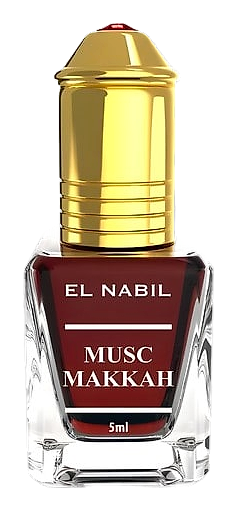
Musc Makkah draws its name from the sacred city at the heart of Islamic tradition, a place where musk has been central to ritual and personal adornment for centuries. El Nabil, a French house founded in 2011 with a focus on oriental compositions, took that reverence for musk and translated it through a French lens. The result is not a literal recreation of traditional Arabian musk blends, but something shaped by both contexts: the heritage of Middle Eastern perfumery and the house's own commitment to making oriental richness accessible rather than rarefied. By 2014, El Nabil had entered the Gulf market, where musk and amber accords already carried deep cultural resonance. Musc Makkah arrived in 2015 as a bridge between those worlds, named for a city of pilgrimage, composed for everyday wearing.
What makes Musc Makkah interesting is its structure: a fruity opening that seems to come from a different fragrance entirely, giving way to a heart that feels pulled from a warm spice market, anchored finally by a base that owes everything to traditional musk and ambergris. The strawberry and raspberry up top don't hint at what's coming. The cinnamon, vanilla, and almond arrive like a slow reveal, building warmth, building sweetness, building complexity. The ambergris base then wraps around all of it, extending the wear into the kind of longevity that justifies the name. It's a composition that uses sweetness as strategy, not destination.
The evolution
The opening hits bright and tart, strawberry syrup meeting raspberry skin, almost jammy in its sweetness. There's an artificial edge here, the kind that reads like novelty candy, but it lasts only minutes. Then the cinnamon arrives. It doesn't nudge, it takes over. Sweet and sharp simultaneously, it pushes the vanilla and almond into a warm, edible heart that feels like entering a spice shop in winter. The fruit notes fade but don't disappear; they become background warmth. What remains longest is the ambergris, salty, slightly animalic, wrapping the whole composition in something that lingers close to the skin for hours after the spice has softened. On fabric, it outlasts everything else. The drydown is simple: ambergris and a ghost of vanilla, quiet but persistent.
Cultural impact
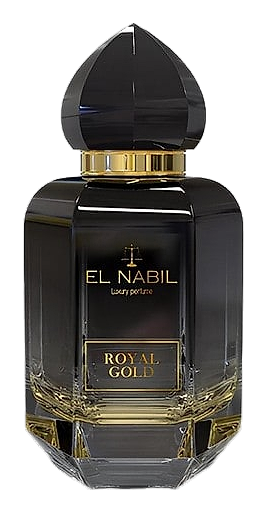
Musc Makkah found its audience in the Gulf market, where musk and amber accords carry deep cultural weight. El Nabil's expansion into that region by 2014 positioned the house as a bridge between traditional Middle Eastern perfumery and contemporary French craft, and Musc Makkah, with its fruity opening and oriental base, became one of the releases that resonated with both contexts. It sits alongside other musk-forward El Nabil scents like Musk Halima and Royal Gold, differentiated by its fruity-spicy character rather than its woody depth.