
The Story
Why it exists.
The beginning
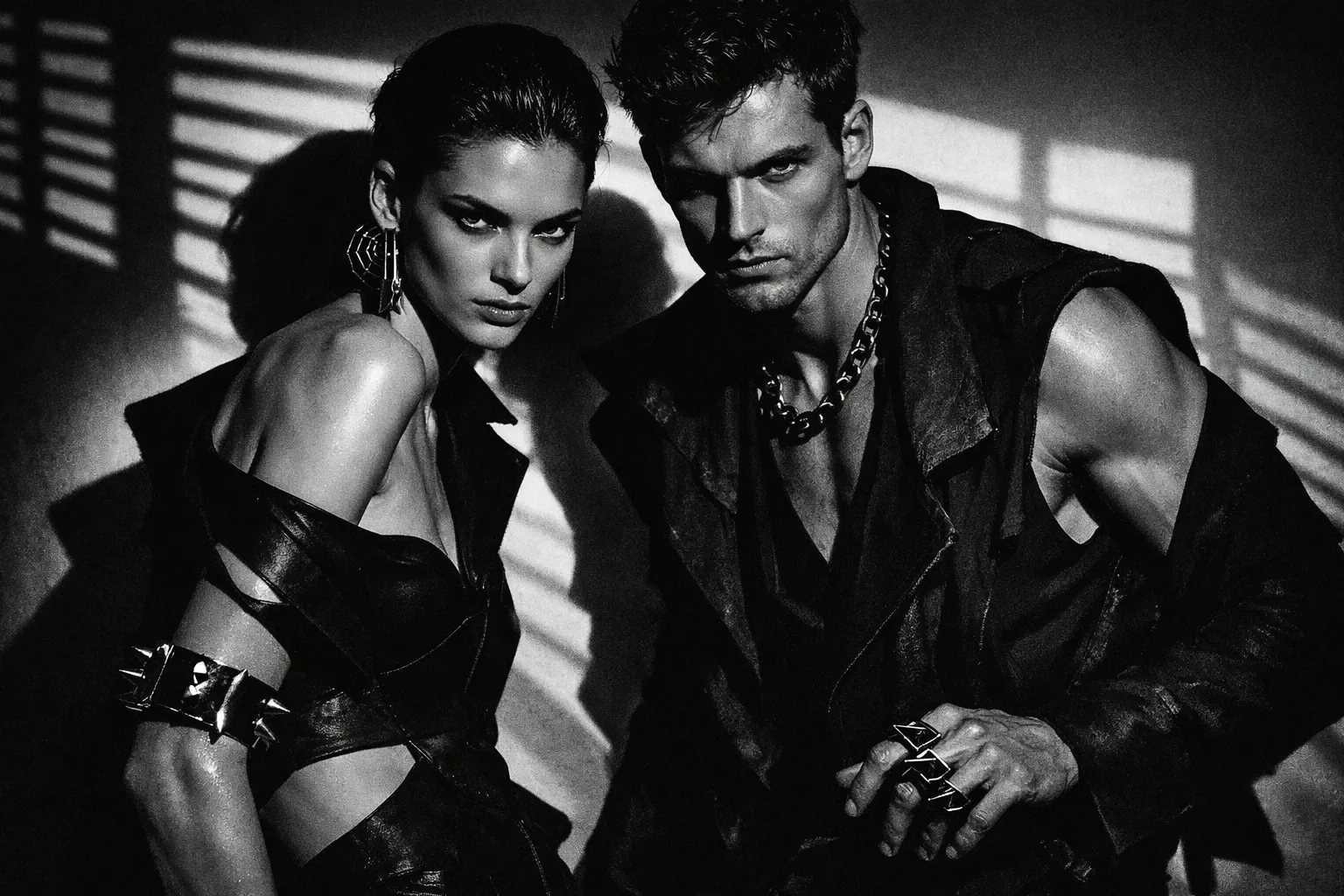
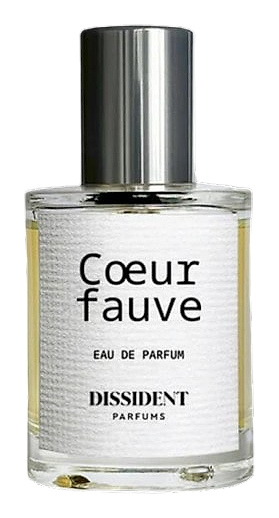
Alexandre Makhloufi built Cœur Fauve around a single provocation: a wild rose in a forgotten garden, luminous enough to catch attention, dark enough to earn it. The brief called for mandarins and peppermint in the opening, their combined brightness providing a sharp, daylight clarity. But the heart belongs to leather and rose together, neither apologizing for the other. Dark woods carry the final act, settling into something deep and lasting. The name says it: Cœur Fauve. Wild heart, untamed.
What makes this composition work is the chamomile. It sits in the heart like a quiet intervention, herbal, cool, almost medicinal against the sweetness of the rose and the warmth of the leather. Peppermint does similar work in the opening, a breath of something clean that makes the darkness feel deliberate rather than accidental. The contrast between pastoral and industrial defines this fragrance, and the tension never fully resolves.
The evolution
The mandarin arrives first, bright and immediate, quickly followed by peppermint's coolness that softens the initial citrus punch. Chamomile then enters the composition, and this is when the rose reveals itself: not a polite rose, not a rose that knows its place. It is attached to leather at the hip. Cedar arrives to ground the brightness and prepare the terrain for the woods. The drydown is the payoff: guaiac wood and labdanum together, smoky and resinous, with the leather still faintly audible underneath. The composition evolves from bright opening through aromatic heart to a dark, smoky finish.
Cultural impact
Coeur Fauve presents an unusual pairing: pastoral chamomile against a dark leather-rose base, a collision of opposites that creates something unexpected. The mandarin-peppermint opening offers immediate brightness, a modern counterpoint to the deeper notes that follow. The overall composition draws from classic perfumery techniques, balancing contrasting elements into a coherent whole.